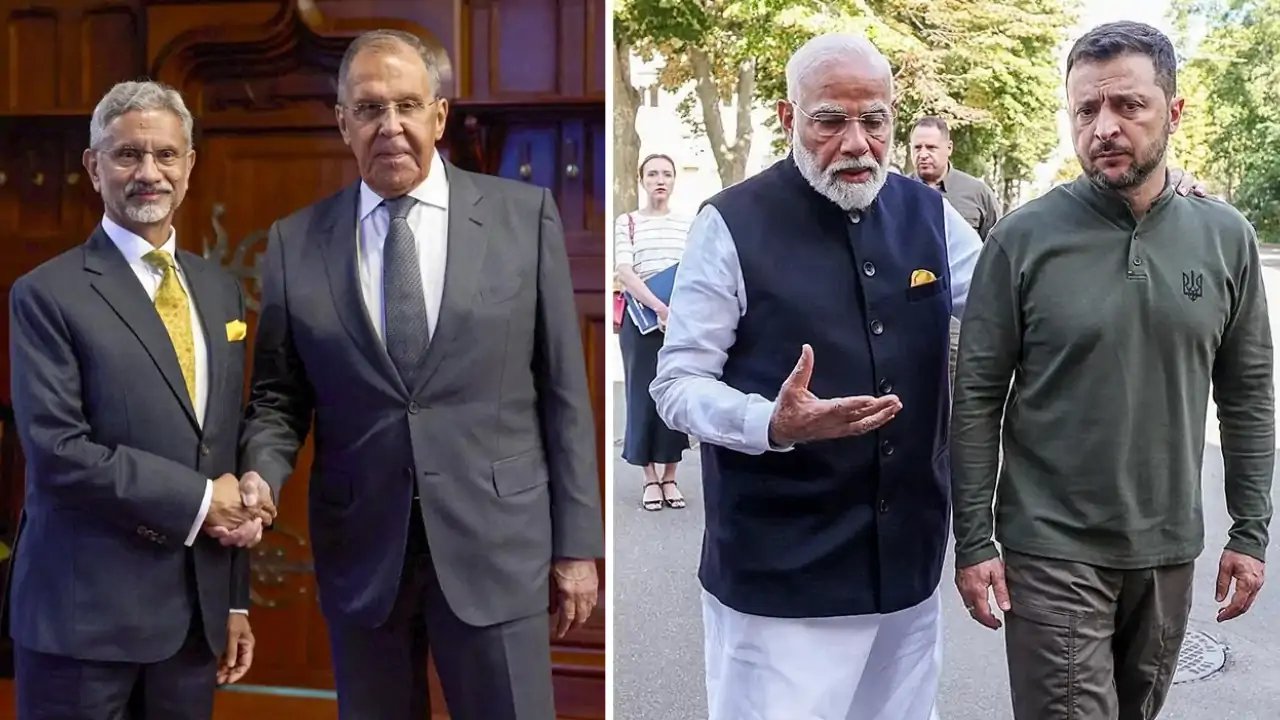
New Delhi opened a coordinated diplomatic push on Monday, engaging both warring capitals hours before American, Russian, and Ukrainian negotiators sit down for high-stakes talks in Abu Dhabi. Prime Minister Narendra Modi conferred directly with Ukrainian President Volodymyr Zelenskyy, while External Affairs Minister S Jaishankar dialled his Russian counterpart, Sergey Lavrov. The dual calls signal India's deliberate shift from cautious spectator to active backchannel broker.
The timing was no accident. With Washington, Moscow, and Kyiv preparing to open their first trilateral negotiations since February, India pushed its human-centric framework directly onto the diplomatic table. Modi reaffirmed New Delhi’s readiness to assist any viable peace track grounded in dialogue. Zelenskyy, posting on X following the exchange, pressed India to take charge of international food security corridors—recalling Modi’s repeated direct counsel to Russian President Vladimir Putin that the era of war must end.
That outreach builds on months of deliberate groundwork. At a September meeting in Bishkek, Modi confronted Putin directly, urging the Russian leader to shift from an "endless war towards the end of war." Putin later conceded that Modi possesses "good ideas" to hammer out a mutually acceptable settlement. Ukrainian Foreign Minister Andrii Sybiha confirmed last month that Kyiv had received distinct ceasefire proposals from New Delhi alongside three other nations, highlighting India's expanding role. Jaishankar, who previously travelled to Kyiv, affirmed Monday that New Delhi has moved beyond standard advocacy into sustained, direct diplomacy with both sides.
Yet the gulf between Moscow and Kyiv remains vast. In Abu Dhabi, negotiators confront rigid red lines as the fighting nears the five-year mark. Putin demands that Ukrainian forces pull back entirely from the four southeastern regions Moscow annexed in September 2022—territory Russian forces never fully captured—and formally scrap all bids to enter NATO. Zelenskyy flatly refuses to surrender sovereign territory, demanding instead binding international security guarantees modeled on NATO’s Article 5 collective defence provision.
Washington is already framing the stakes. On Sunday, US President Donald Trump stated that Kyiv and Moscow are "very close" to an agreement, though he cautioned that negotiators "are going to end up with a little bit different shape Ukraine." Whether the upcoming Abu Dhabi session cracks open a diplomatic corridor or deadlocks on territorial sovereignty will determine if New Delhi's backchannel diplomacy yields a durable ceasefire.