Seattle shipbuilder Robert Moran gave 2,731 acres of forested land on Orcas Island to the State of Washington in April 1921. The donation, which included the slopes of Mount Constitution, became the core of Moran State Park. This single act secured the protection of a massive swath of the San Juan Islands archipelago, preventing development that Moran feared would ruin the wilderness he had come to love.
Moran arrived in Seattle in 1875 with 10 cents in his pocket. By 1905, he had built the Moran Brothers Company into the Pacific Northwest's premier shipyard, earning national fame for constructing the USS Nebraska. The battleship remains the only one of its class built in Washington state. The pressure of overseeing such a massive industrial operation, however, took a physical toll. In 1905, doctors diagnosed Moran with organic heart disease, giving him six months to live. He was told his nervous state and overworked body had reached a breaking point.
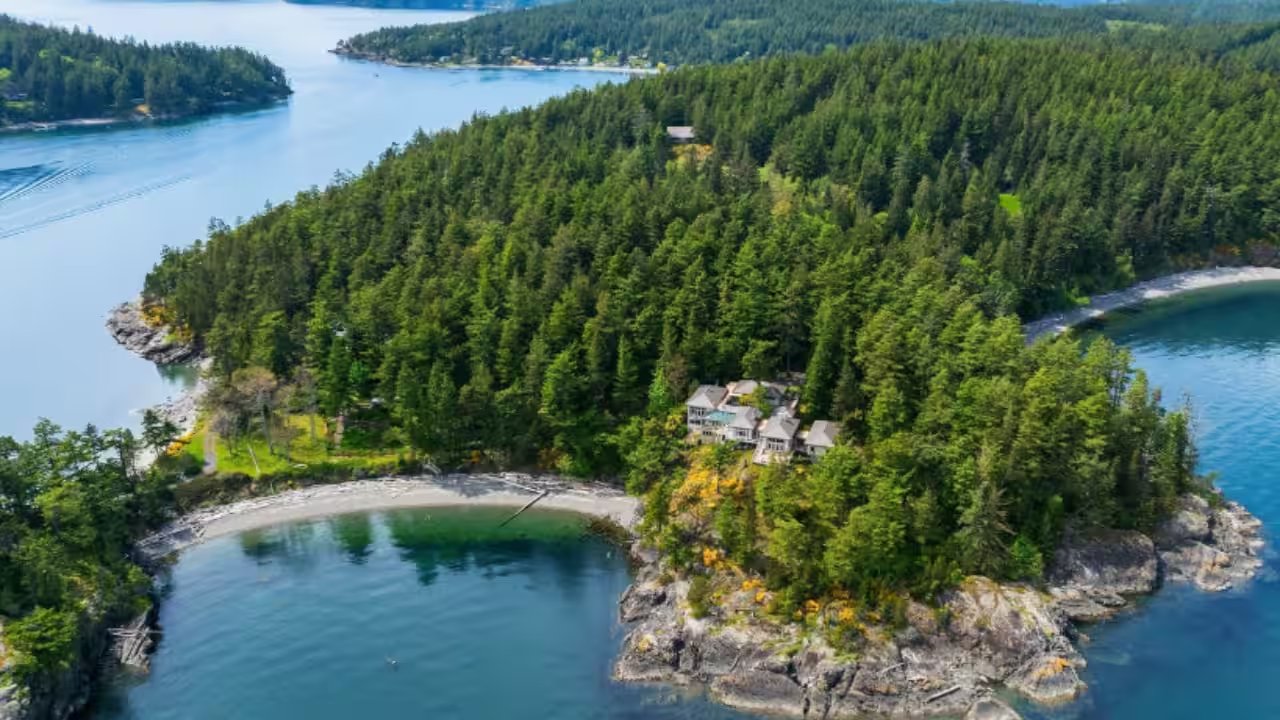
Moran rejected the timeline. He sold his shipbuilding empire to the New York firm Berton-Griscom and Company for a reported $3.5 million in 1906. With that capital, he acquired thousands of acres on Orcas Island and began construction on Rosario, a 54-room Arts and Crafts mansion overlooking Cascade Bay. The estate was a marvel of self-sufficiency, featuring its own hydroelectric plant and water system. Moran lived at Rosario until 1938 and died in 1943 at age 86, defying his medical prognosis by nearly four decades.
The state did not accept Moran's initial land offer in 1911. Washington lacked the organizational structure and funding to manage a park of that scale. Moran waited. By 1921, he had trimmed the proposal from 3,000 acres to 2,731, removing restrictive conditions. The state accepted the gift. During the Great Depression, the Civilian Conservation Corps built the park's infrastructure, including the 53-foot stone observation tower on Mount Constitution, completed in 1936.
Today, Moran State Park covers more than 5,000 acres following additional land purchases. The park features five freshwater lakes and a 38-mile trail system that offers views across the Olympic Peninsula and Mount Baker. Rosario, the original mansion, was added to the National Register of Historic Places in 1977. The hydroelectric plant Moran installed in 1909 still powers the property, a tangible link to the industrialist who turned a terminal diagnosis into a legacy of conservation.