The bill, passed by the Senate 86‑11 and House 262‑159, consolidates existing sanctions, extends the Iran Sanctions Act for five years, and grants the president authority to target Russian officials, financial institutions, defence‑related networks and the nation’s “shadow fleet.”
India, now the third‑largest energy consumer, imports 85% of its crude and about 50% of its natural gas, with Russian oil accounting for 37% of Russia’s total exports to the world. The shift followed the 2022 invasion of Ukraine, when Gulf supplies fell below 30% and Russia’s share climbed above 15%.
The Indian government has repeatedly stressed that its purchases are driven by energy security, not geopolitical alignment. Ambassador Vinay Kwatra told Washington that ‘our sourcing reflects a fundamental national responsibility: securing adequate, affordable and uninterrupted energy for 1.4 billion people.’
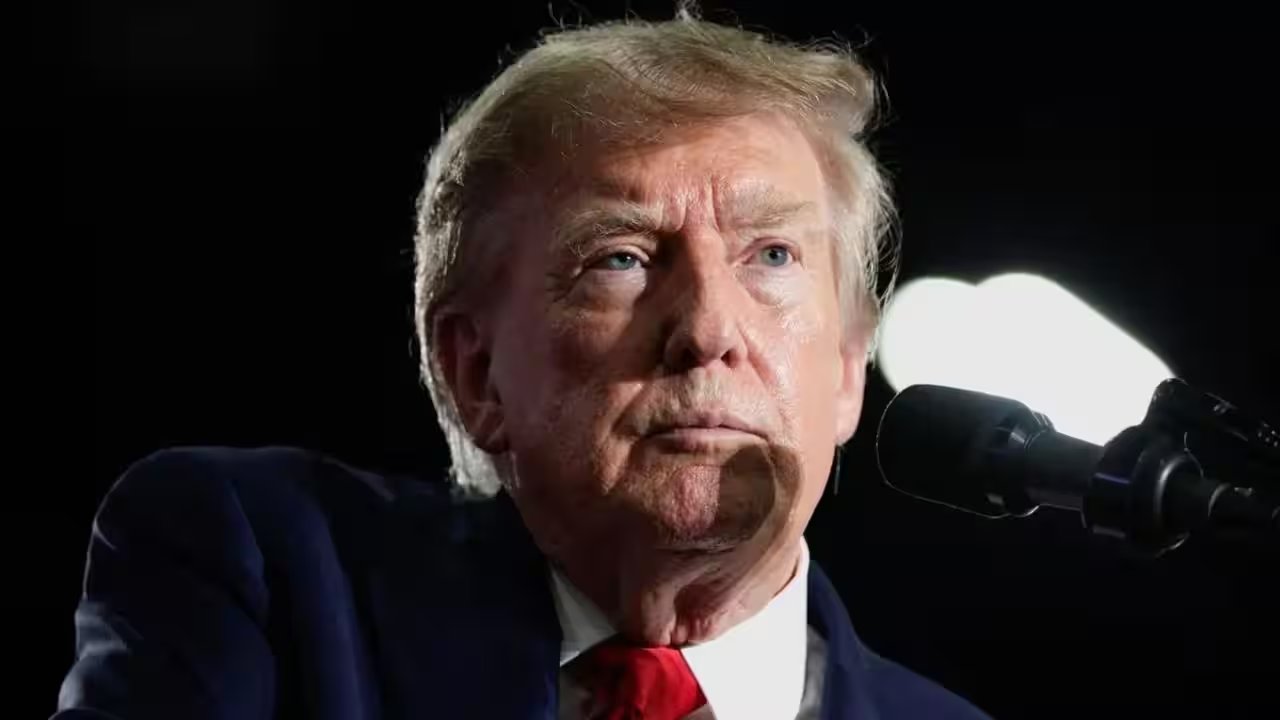
Under the new law, the U.S. can impose tariffs of up to 100% on goods from the five largest importers of Russian petroleum, a list that includes India. If the Trump administration chooses to activate this provision, Indian exporters to the U.S. would face steep duties, potentially reshaping trade flows.
India has signaled it will monitor developments closely and is prepared to pursue diplomatic and economic measures to protect its interests. A United States trade announcement is expected within weeks, and New Delhi is already engaging with congressional allies to counter potential tariff threats.