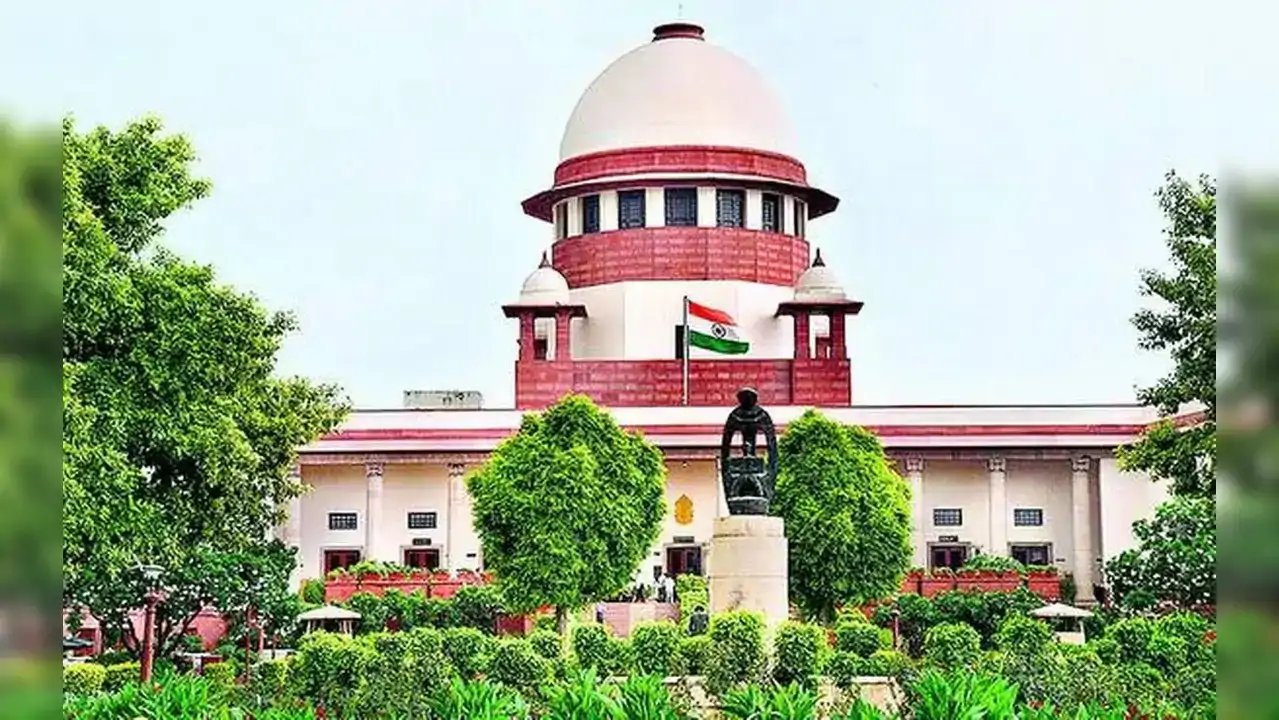
On Tuesday, the Supreme Court, led by Chief Justice Surya Kant, held that no individual faces criminal liability for not singing Vande Mataram in New Delhi.
The opinion came after a writ petition filed by Carnatic musician TM Krishna challenged the 2026 amendment to the Prevention of Insults to National Honour Act, which now makes singing all six stanzas mandatory and labels any disrespect as punishable.
The bench cited the 1980s Bijoe Emmanuel case, where Jehovah’s Witness schoolchildren were protected from expulsion for standing during the anthem without singing. That precedent still applies, the court said, and bars punitive action for refusal.
In the same hearing, the justices asked the Centre to reply within two weeks on whether the 2026 amendment stands. Their decision on its constitutionality will hinge on that response.
A heated moment erupted when Solicitor General Tushar Mehta used the term "Naxalite" to describe the petitioner’s stance. Advocate Muralidhar objected, calling the remark unbecoming, but Mehta refused to retract it.
The Supreme Court will issue a final ruling after reviewing the Centre’s reply, setting the legal line on whether the law can criminalise refusal to sing the national song.