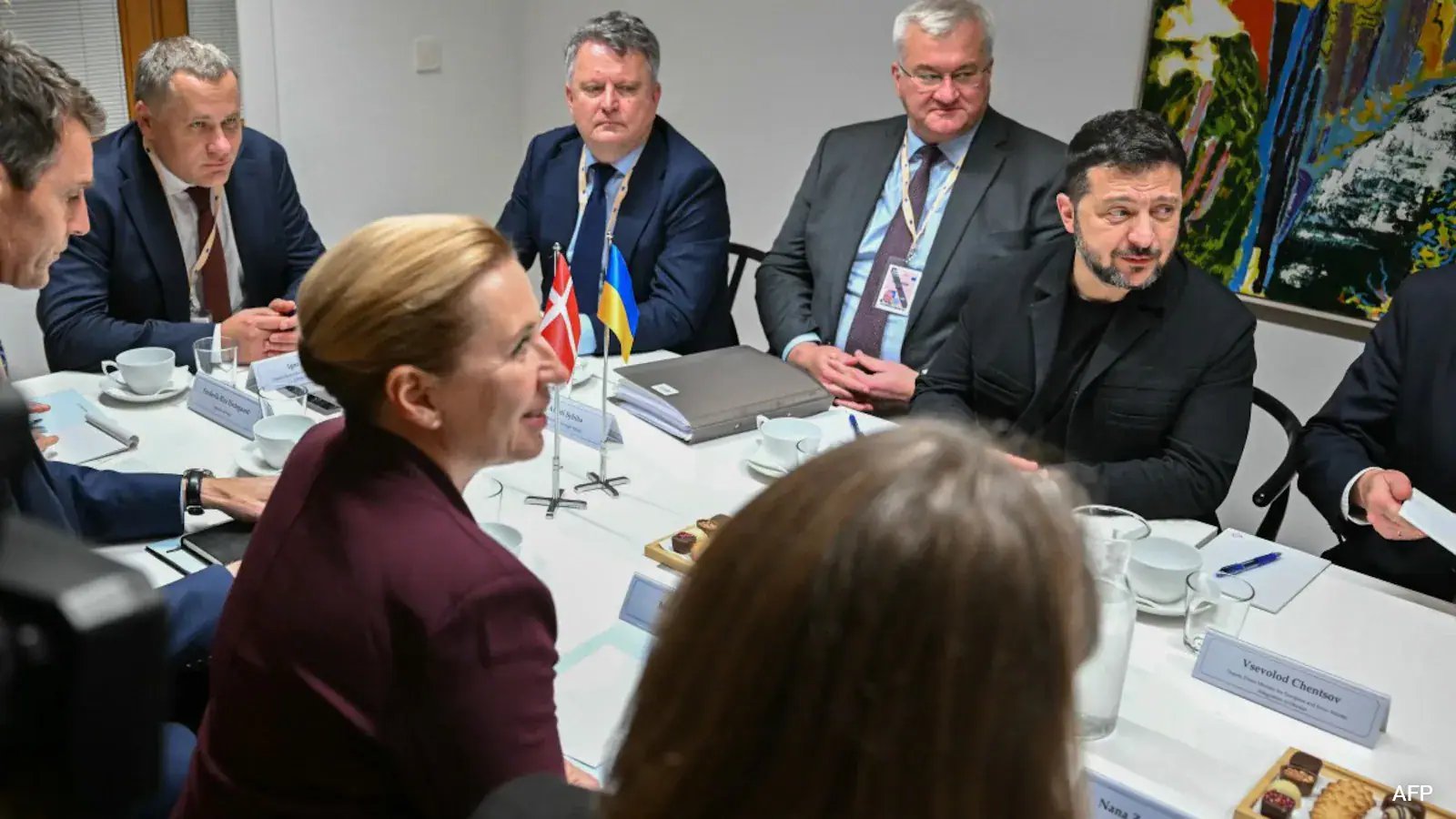
Zelensky said on Thursday that Kyiv would no longer hold back from striking Russian oil refineries, directly countering the US president’s earlier demand. Trump had eased sanctions on Russia last week in exchange for Moscow releasing large amounts of diesel onto global markets, a move that Kyiv criticized as a betrayal of its security interests.
The president’s statement came after a series of high‑profile meetings in Brussels, where he met NATO chief Jens Stoltenberg and European leaders, including French President Emmanuel Macron and Polish Prime Minister Donald Tusk. Macron stressed that Ukraine must receive “all the means necessary to protect itself,” while Tusk posted a message of solidarity, underscoring the bloc’s willingness to back Kyiv despite the strained US‑Ukraine ties.
Meanwhile, Ukraine’s satellite communications have been under strain. The United States warned it could withdraw intelligence sharing if Kyiv continued long‑range strikes on Russian oil refineries. SpaceX CEO Elon Musk denied any role in the Starshield slowdown, noting that the system is U.S. government‑controlled and subject to military decisions, including those by President Trump.
For ordinary Ukrainians, the fallout is tangible. In the city of Lutsk, a drone strike on an energy plant caused blackouts that left residents, like 30‑year‑old Alyona Nikitina, uncertain how long they could endure the darkness. The EU summit slated for Friday will decide whether the bloc will impose fresh sanctions on Russia and increase military aid to Ukraine, a move that could alter the conflict’s trajectory.