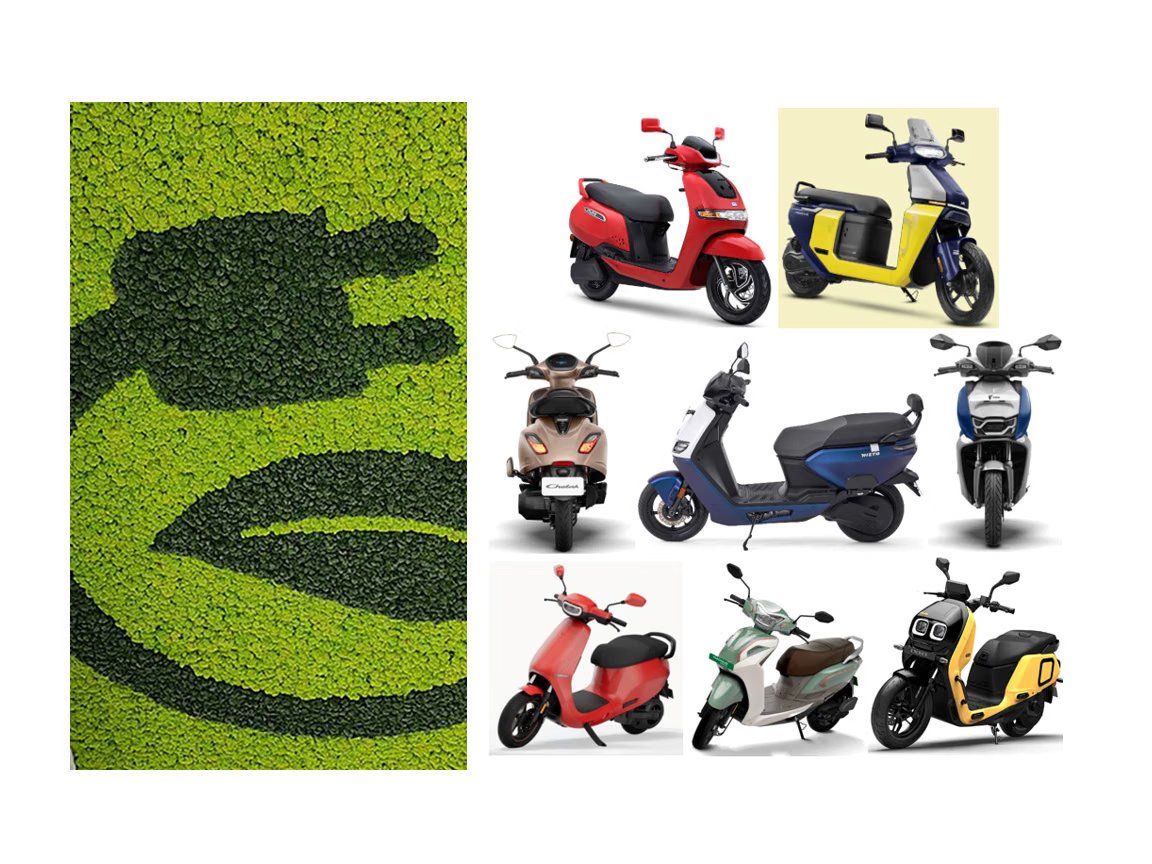
TVS iQube recorded a staggering 54,179 sales in September, a 126% jump from last year’s 24,000. For the average buyer, that means the model has proven itself in real‑world use, driving down the cost of ownership with a battery‑as‑a‑service option that keeps upfront prices anchored.
The 54,179 figure sits inside a market that hit 207,850 units last month, an 89% increase over September 2025. The top four OEMs—TVS, Bajaj, Hero and Greaves—captured 76% of the pie, while the rest of the field split less than 25% between startups like Ola, River Mobility and Bounce.
Policy has been the engine behind this growth. The government’s 2026 EV mandate, lower GST on zero‑emission scooters, and a new ₹2,000 crore subsidy for battery packs have trimmed the total cost of ownership by up to 15%. Buyers who weigh upfront cost against long‑term savings find the iQube’s BaaS plan especially appealing.
The iQube line itself offers three core variants: iQube 2, 2.0 and 2.5, priced between ₹1.5 lakh and ₹2.2 lakh. Each comes with a 4.5 kWh battery, and the BaaS lease can drop the purchase price to as low as ₹1.1 lakh, while the battery replacement plan guarantees full capacity for five years.
Looking ahead, TVS is slated to launch a newer iQube 3 in Q4 2026, with a 5.5 kWh pack that promises 550 km range on a single charge. City‑wide rollout will begin in Delhi‑NCR, Mumbai and Bengaluru, where the current 1.8 lakh‑unit fleet already enjoys high resale value.
What buyers should keep an eye on is the price war unfolding around the 2‑kWh bracket, battery leasing terms, and the potential entry of a new Tier‑1 player with a 600‑km range scooter. Those shifts could redefine the affordability curve for the next few years.