Dealers and component suppliers can now claim 90% of excess GST automatically on zero‑rated exports and inverted duty cases, with no officer intervention needed for the initial provisional refund. The next phase will lift the limit to a full refund, streamlining the process further.
Input tax credit (ITC) on services in inverted duty scenarios becomes refundable from 1 November 2026, while credit on capital goods will be eligible from 1 April 2027 and will be paid out over a 60‑month period, easing the long‑term financial burden on manufacturers.
Enforcement is getting a lighter touch: GST officers lose arrest powers, the prosecution threshold rises from ₹1 crore to ₹5 crore, and the cap on general penalties drops from ₹25,000 to ₹10,000. Show‑cause notices for amounts below ₹10,000 are also being scrapped.
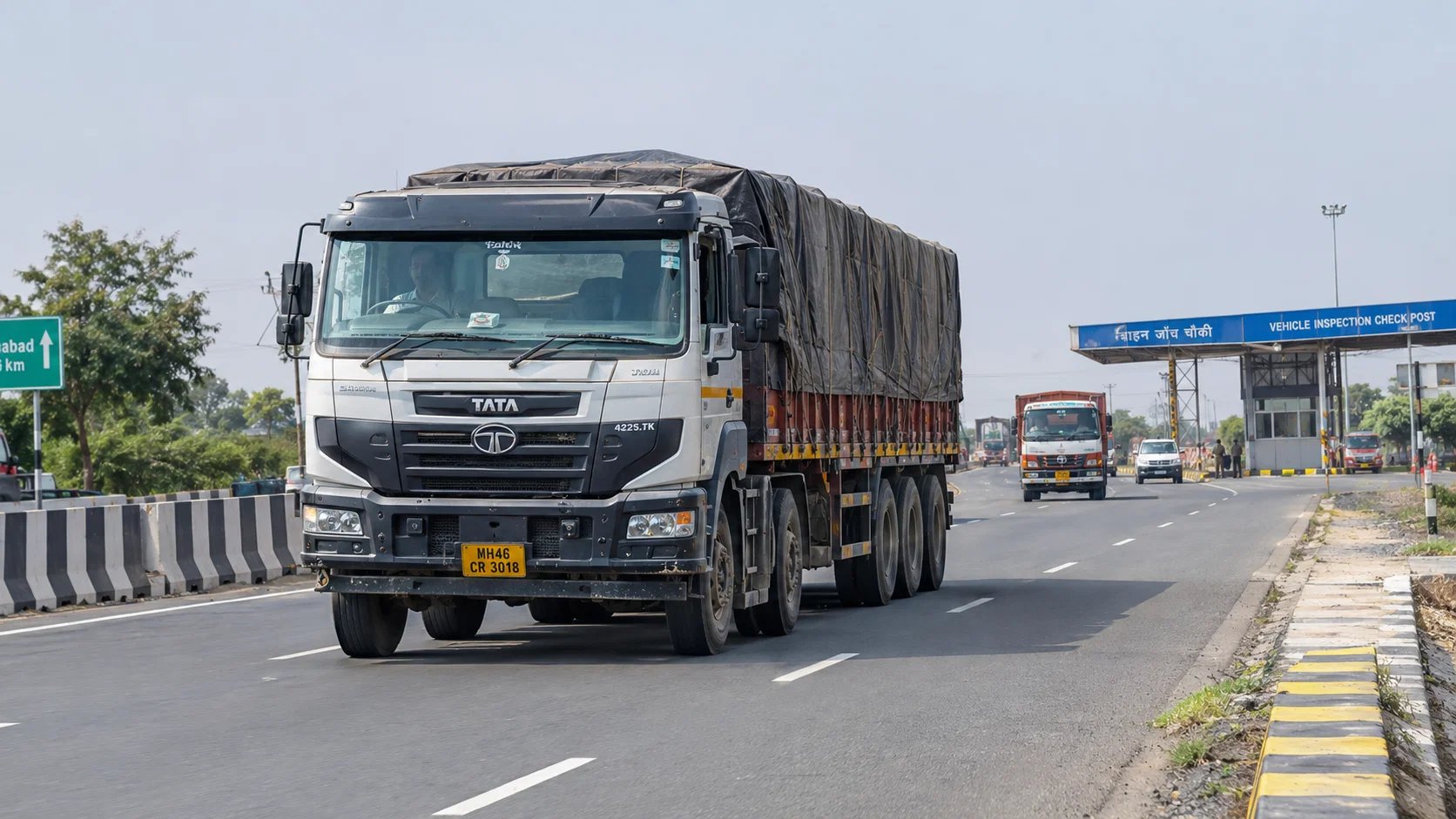
Transit checks will now require specific intelligence and approval from at least a joint commissioner, and can only be carried out in the supplier’s or recipient’s state. Transit states are exempt, except when a vehicle has no e‑way bill or lacks a document showing its origin or destination.
For buyers, the ripple effect is two‑fold: a steadier supply of vehicles and parts thanks to smoother logistics, and a potential for more competitive pricing as dealers reclaim capital faster. EV operators, too, will see a simplified tax regime with a 5% GST on fares that include battery‑charging costs.
The council will issue the necessary circulars in the coming months, and dealers can expect full compliance guidelines by the end of Q3 2024. Keep an eye on the next GST update for any rate changes that could directly impact vehicle pricing.