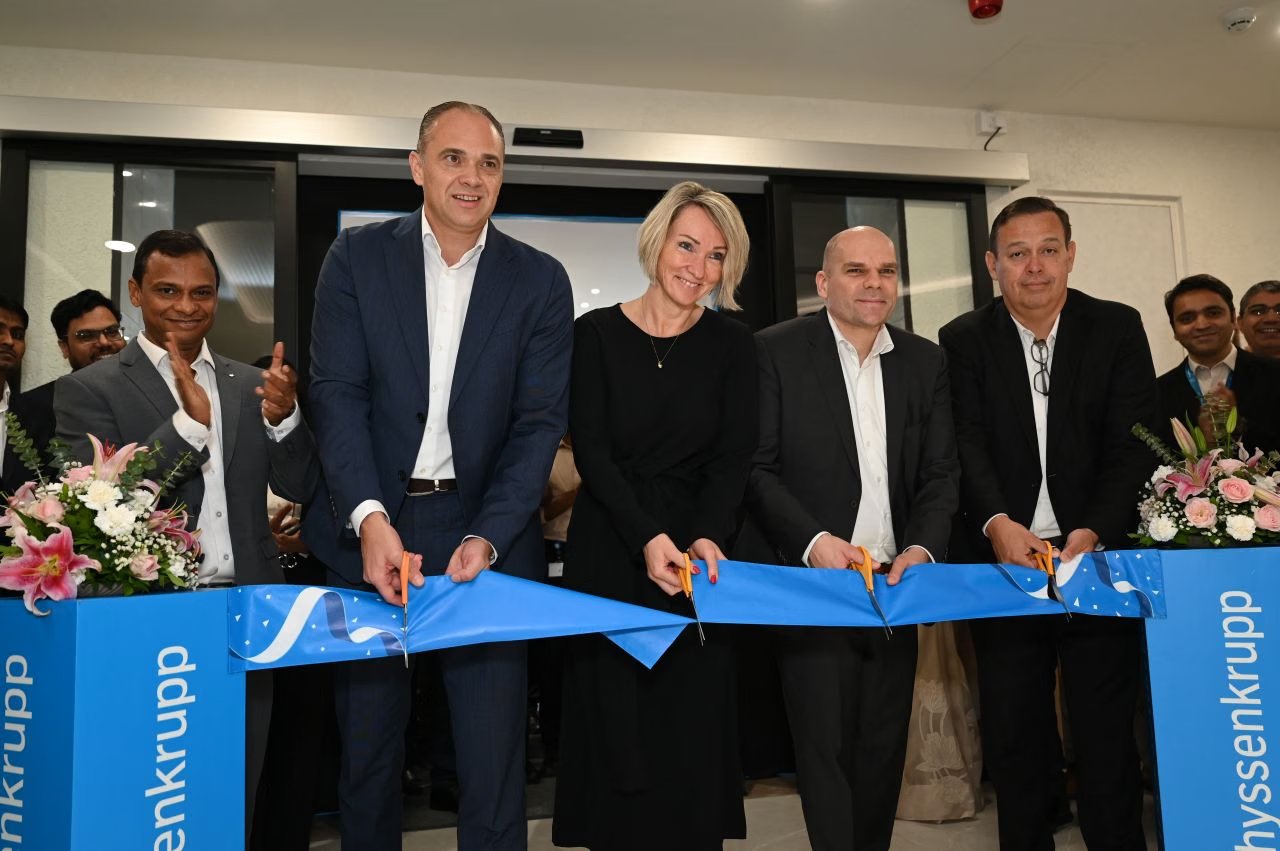
New engineers in Pune mean a tighter turnaround on next‑generation steering and chassis systems that will soon hit the road for electric cars.
The center already hosts over 120 specialists in software, hardware and mechanical design, and the team is set to swell past 300 in the next few years. More people, more ideas, faster prototypes.
Focus areas include embedded systems, functional safety, cybersecurity and advanced chassis tech – the building blocks that make modern EVs safer, lighter and smarter.
Thyssenkrupp said the Pune hub is fully integrated into its global R&D network, so work done here feeds into projects for customers worldwide, not just India.
India has become a sourcing hub for the company, and a sales team is already setting up shop in Pune to deepen ties with local manufacturers. If projects pick up, local production of key components could follow, easing supply chain bottlenecks.
The center opened on October 8, 2026, and the company plans to announce full‑scale production facilities in India by late 2028. Keep an eye on how quickly chassis parts start appearing on Indian EVs and whether local automakers begin using them in upcoming models.