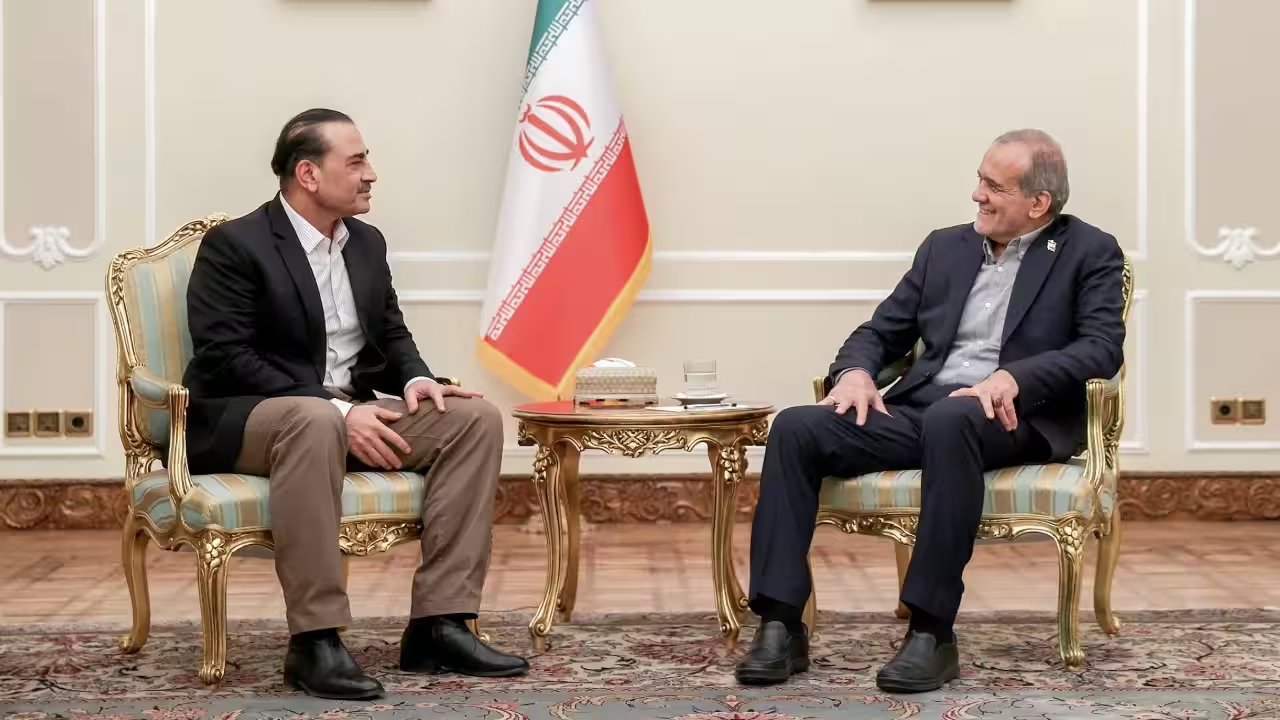
Khalid bin Salman, General Asim Munir, and Ibrahim Kalin are touching down in Tehran this Monday. It is the first time these three powerhouses are sitting across the table from Iranian leadership since the Houthi conflict reignited. The meeting comes hours after Yemen’s rebels claimed strikes on Saudi Arabia’s East-West crude pumping stations and Riyadh airport.
Iran’s Deputy Supreme National Security Council Secretary, Ali Bagheri Kani, confirmed the talks with Secretary Mohsen Rezaei. He framed the gathering as a chance to build regional stability using Iran’s experience in the recent US-Iran conflict. The messaging is clear: Tehran wants to present itself as a security stabilizer, not just a threat.
The backdrop is volatile. The Saudi-led coalition reported destroying two ballistic missile launchers in Sanaa on Monday, claiming one fired at Riyadh. They also struck five missile storage tunnels and a depot. These attacks have turned the kingdom into a primary pressure point, forcing Riyadh to seek diplomatic off-ramps while maintaining a military posture.
Diplomats expect a joint statement by Tuesday. The real test is whether this trilateral contact can pause the missile exchanges before they spiral into a broader regional war.