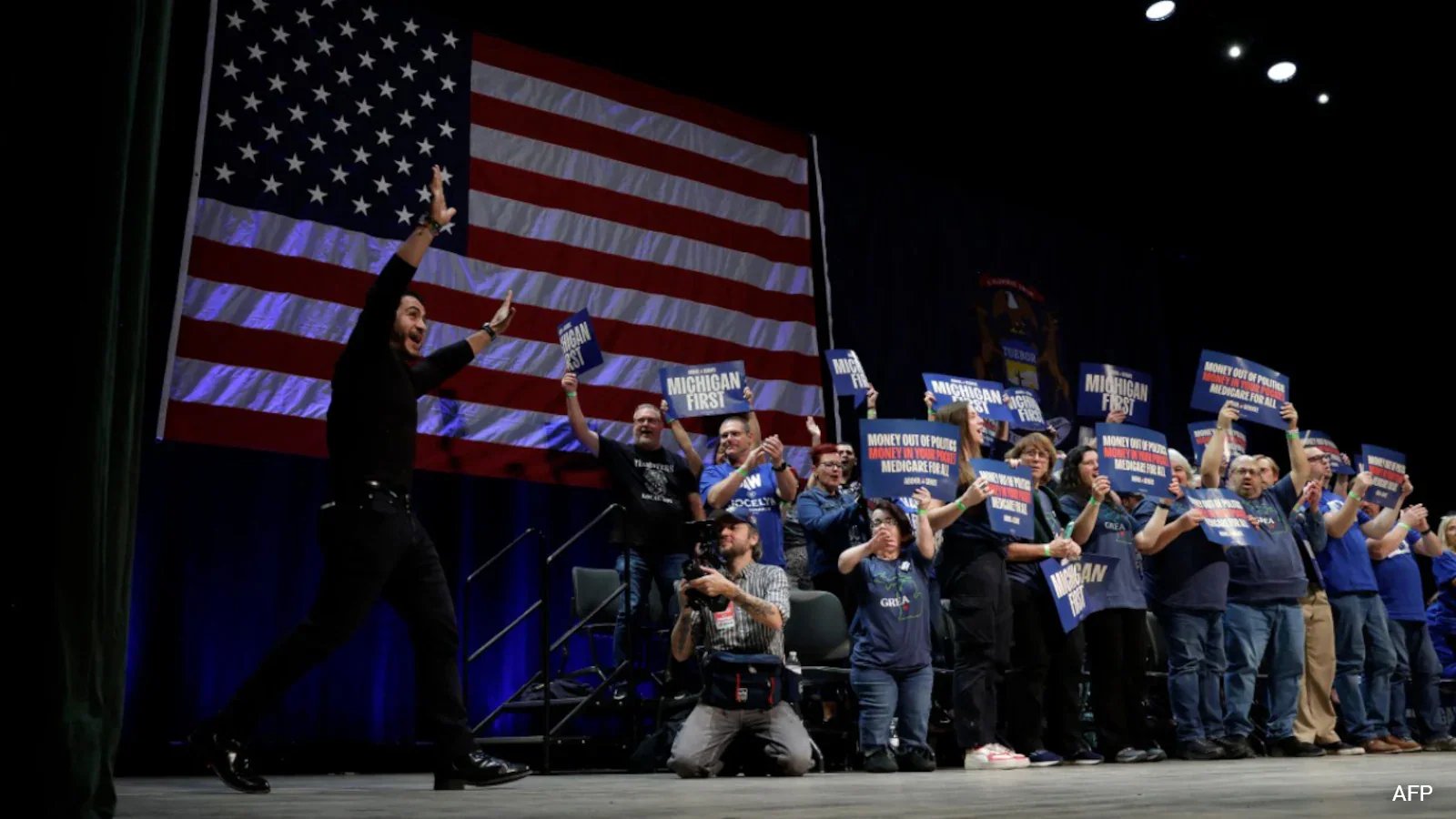
Front Line Action, a Republican‑aligned political action committee linked to Senator Ted Cruz, spent $92,000 on an AI‑generated ad that shows Michigan Democratic Senate candidate Abdul El‑Sayed laughing at cards reading “Death to America” and “Celebrate 9/11.” The clip, released during the 2024 midterm campaign, carries a disclaimer that it was created in whole or in part with the use of artificial intelligence, but most AI‑generated ads lack such labeling.
The ad is one of 220 AI‑generated political videos identified nationwide by the Wesleyan Media Project, most of which were funded by Republican groups. The project estimates that these ads cost more than $137 million, a dramatic increase from the less than $50 000 spent on AI‑generated ads in the 2020 election cycle.
Senator Jon Ossoff, who was targeted by a separate fabricated ad that showed him receiving beauty treatments, said the practice risked eroding truth during a C‑SPAN interview. He demanded that the Senate Leadership Fund, the group behind the Ossoff ad, remove the video.
At the federal level, no requirement exists for political ads to disclose AI usage, although a handful of states have passed laws to restrict the use of AI in campaign materials. The growing prevalence of AI slopaganda has prompted calls from civil‑tech researchers for clearer disclosure.
A recent survey by the non‑profit AAPC Foundation found that 73 percent of respondents deemed it unacceptable for campaigns to use AI to generate images or video, and 95 percent opposed creating videos of opponents saying things they never said.
The Wesleyan Media Project plans to lobby Congress for new disclosure rules, while the Federal Election Commission is reviewing compliance with existing campaign finance regulations.