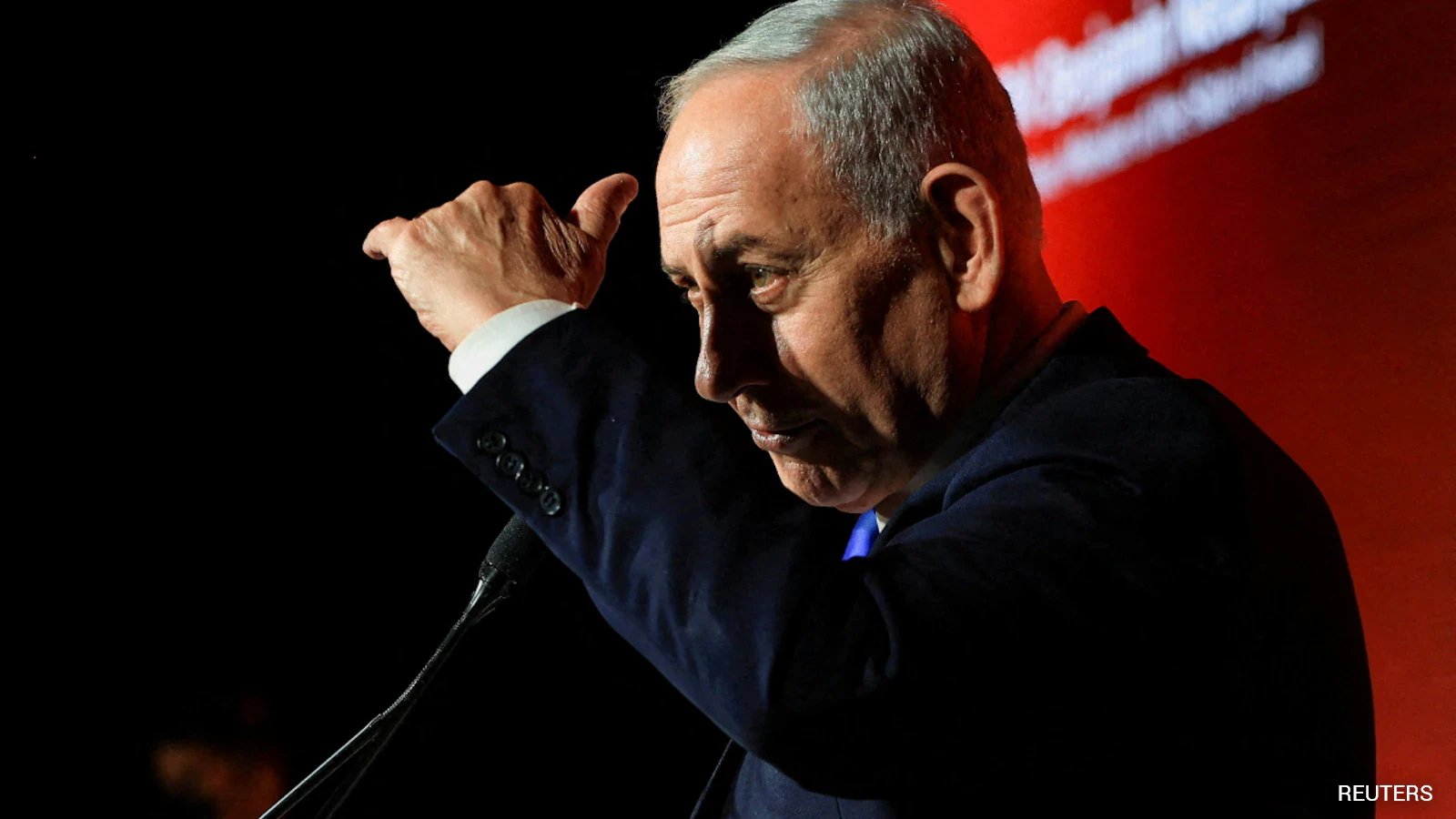
The election, scheduled for Tuesday, comes amid heightened security concerns and a polarized political landscape.
68% of Jewish Israelis say their stance on Oct. 7 will dictate their party choice, according to the Israel Democracy Institute, a stark contrast to the 32% of the Arab minority who prioritize crime.
Ultra‑Orthodox exemption from mandatory conscription has inflamed secular voters, who now see it as a key issue; about a quarter of Jewish voters polled ranked it near the top of their decision‑making criteria.
Netanyahu’s proposed judicial overhaul, which sparked mass protests in 2023, now garners only 18% of Jewish voters’ attention, though 22.5% of left‑leaning voters still view it as pivotal.
Gadi Eisenkot, former army chief, has pledged to end de‑facto exemptions, a stance that could tip the balance for the anti‑Netanyahu coalition.
With no single party poised for an outright majority, coalition negotiations will follow the vote, and the formation of a new government will hinge on whether Netanyahu can secure a majority of seats or face a political reset.