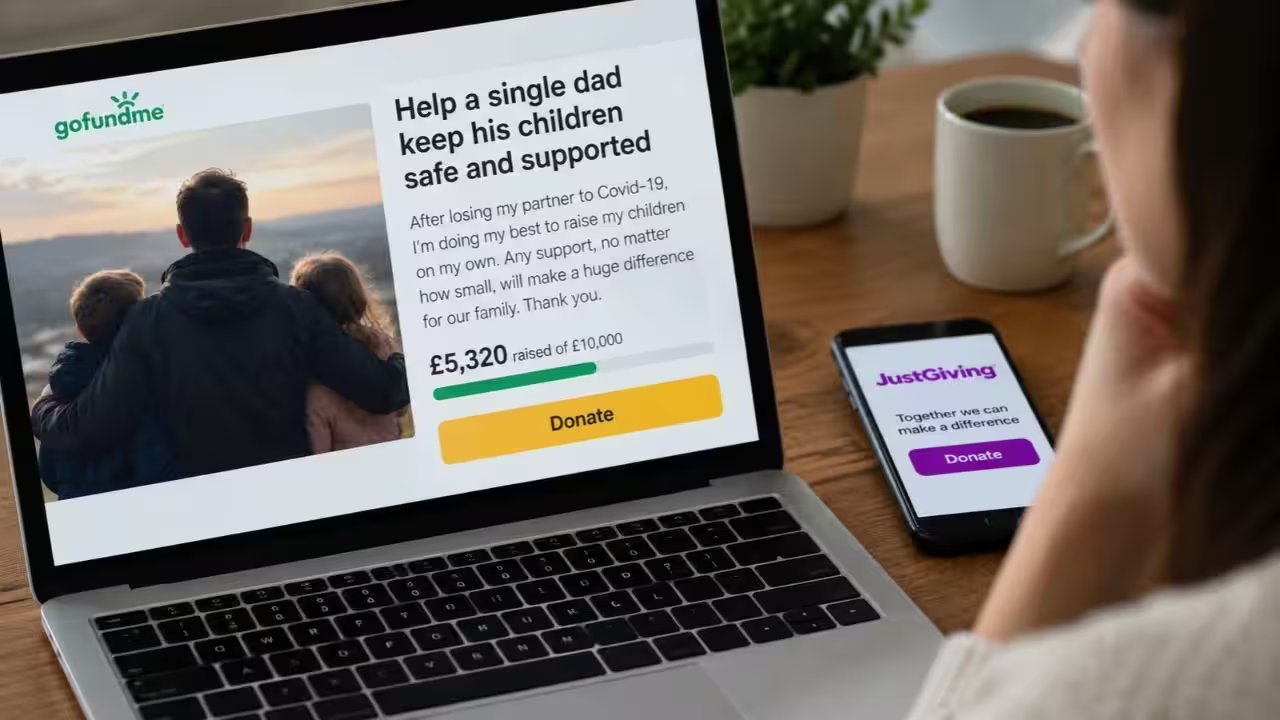
Robert Ashton, 37, was found guilty on 5 December 2023 after a four‑year campaign that began in early 2020, when he set up fake social‑media profiles and staged a story that his partner had died of Covid‑19. He directed donors to GoFundMe and JustGiving pages that promised help for bills and children, but the narrative was wholly fabricated.
Dozens of people, many of them elderly or on fixed incomes, handed over money they believed would aid a grieving single father. One 78‑year‑old pensioner from Letchworth said he donated £200 because he felt “sorry for what he’d have to go through.” The realization that the story was false left donors feeling betrayed and financially strained.
St Albans Crown Court, where the trial took place, sentenced Ashton to 12 weeks in prison and imposed a £290 compensation order. Judge Michael Hargreaves said the offender “exploited the compassion of ordinary citizens” and that the court would not tolerate such deception. Ashton pleaded guilty to fraud before the verdict.
Both GoFundMe and JustGiving now emphasize identity checks and a Trust and Safety review for campaigns that raise large sums. They urge donors to verify organisers’ identities and to report suspicious appeals to the platform or to Action Fraud, the national cyber‑crime reporting service. The case serves as a warning that emotional appeals can mask financial scams, even on reputable sites.