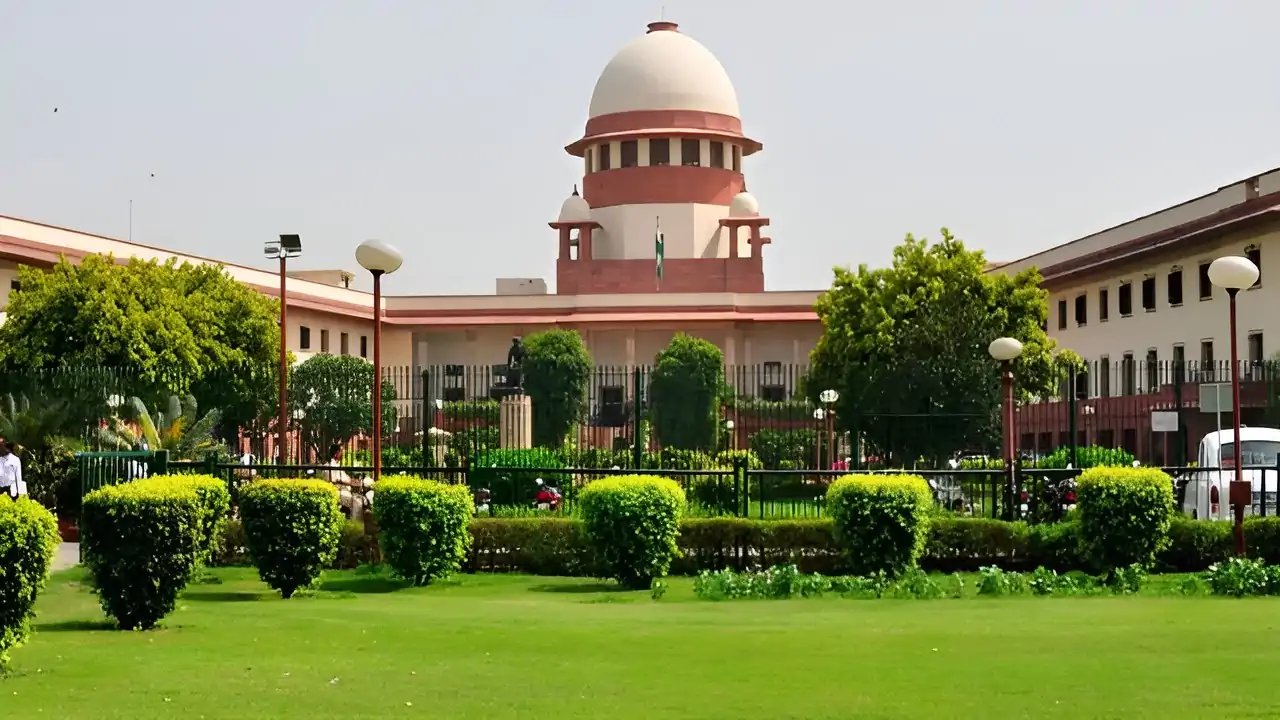
Delhi’s air just turned toxic enough to split the Supreme Court bench in two. On Wednesday, Justice Vikram Nath ruled that lawyers could opt to work from home given the hazardous conditions, but judges had no such luxury—they must appear in person to hear cases. The distinction was sharp. The air was bad, but the law required physical presence for the bench.
Senior Advocate Indira Jaising had requested the matter be listed after Diwali, on November 17, arguing that the smog worsens around the festival. Opposing counsel pushed back, demanding an earlier hearing to address the immediate crisis. The city’s Central Pollution Control Board (CPCB) confirmed the deterioration, with the Air Quality Index (AQI) jumping from 197 on Tuesday to 229 on Wednesday, officially placing Delhi in the 'poor' category.
One station told the grim story. Vivek Vihar recorded an AQI of 316, the worst in the city, pushing it into the 'very poor' bracket. Out of 58 monitoring stations, 41 reported 'poor' air, while only 16 managed to stay in the 'moderate' range. The pattern is clear: after four days of relative stability, the pollution has surged back, likely due to unfavorable meteorological conditions.
The India Meteorological Department (IMD) forecasts a cloudy sky with moderate rain on Thursday, followed by thunderstorms on Friday. Rain might wash the air clean temporarily, but the legal mechanism for dealing with the recurring crisis remains under judicial scrutiny. The next scheduled hearing on the pollution petition is set for November 17.