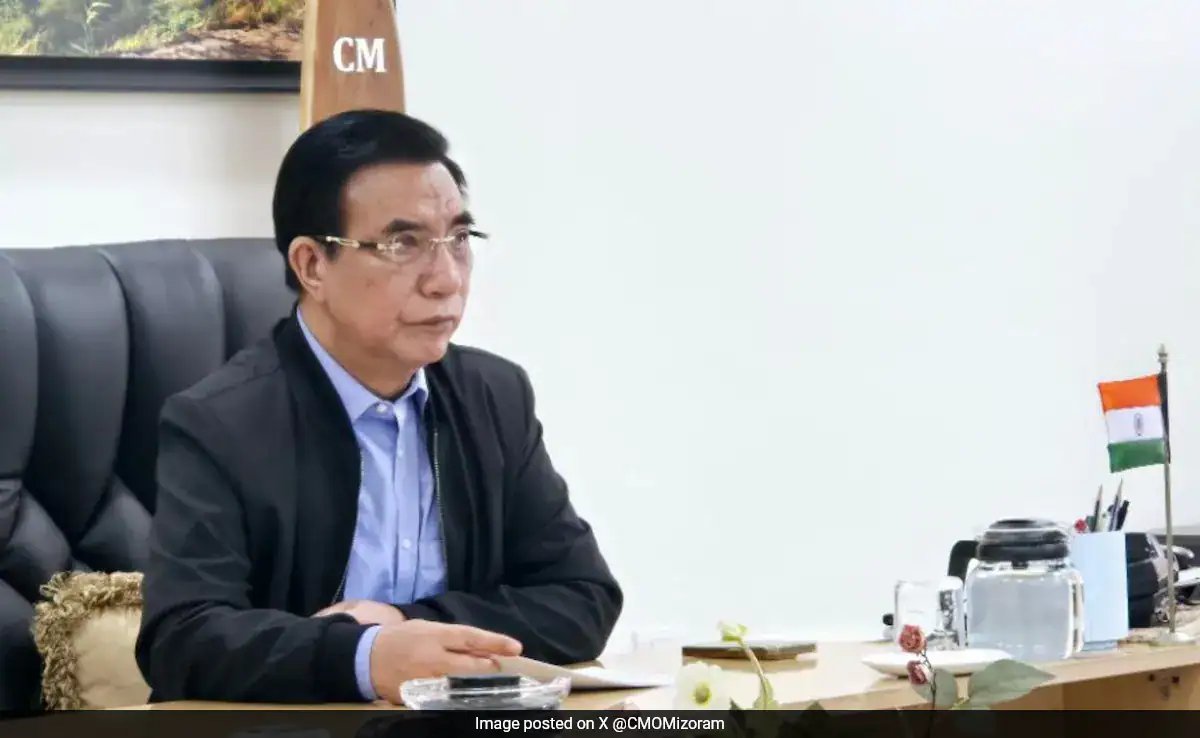
On 15 October, Lalduhoma told reporters that about 40,000 people from Myanmar, Manipur and Bangladesh currently shelter in Mizoram. The influx fluctuates as those who return home are replaced by new arrivals, and the state has deployed a biometric identification system to track them. Because India does not sign the Refugee Protocol, the CM insists they are “displaced people,” not refugees.
The Chief Minister warned that the population’s long‑term stay hinges on geopolitical shifts across the tri‑border region. Until they can return, Mizoram will continue to provide food, shelter and a limited education net for their children. No permanent citizenship is granted, but denying entry would be untenable given the humanitarian strain.
Lalduhoma criticised proposed border fencing, arguing that the Mizo community stretches across India, Myanmar and Bangladesh, and that the three‑country divide is a colonial legacy. He said many Mizo people still hope for a unified administrative umbrella.
The CM also highlighted fiscal pressure inherited from the previous administration, noting that the state has cut ministerial and legislative facilities to clear outstanding liabilities. Only a few liabilities remain, and the government expects to settle them by year‑end. Mizoram is not entitled to Security Related Expenditure, a benefit some neighbouring states receive, because its peaceful situation disqualifies it.
Lalduhoma said the central government has offered cooperation, but the state must still secure SRE support to cushion the economic burden. The next step will be a formal request to the Ministry of Home Affairs for the missing assistance, with a deadline set for 31 December 2026.