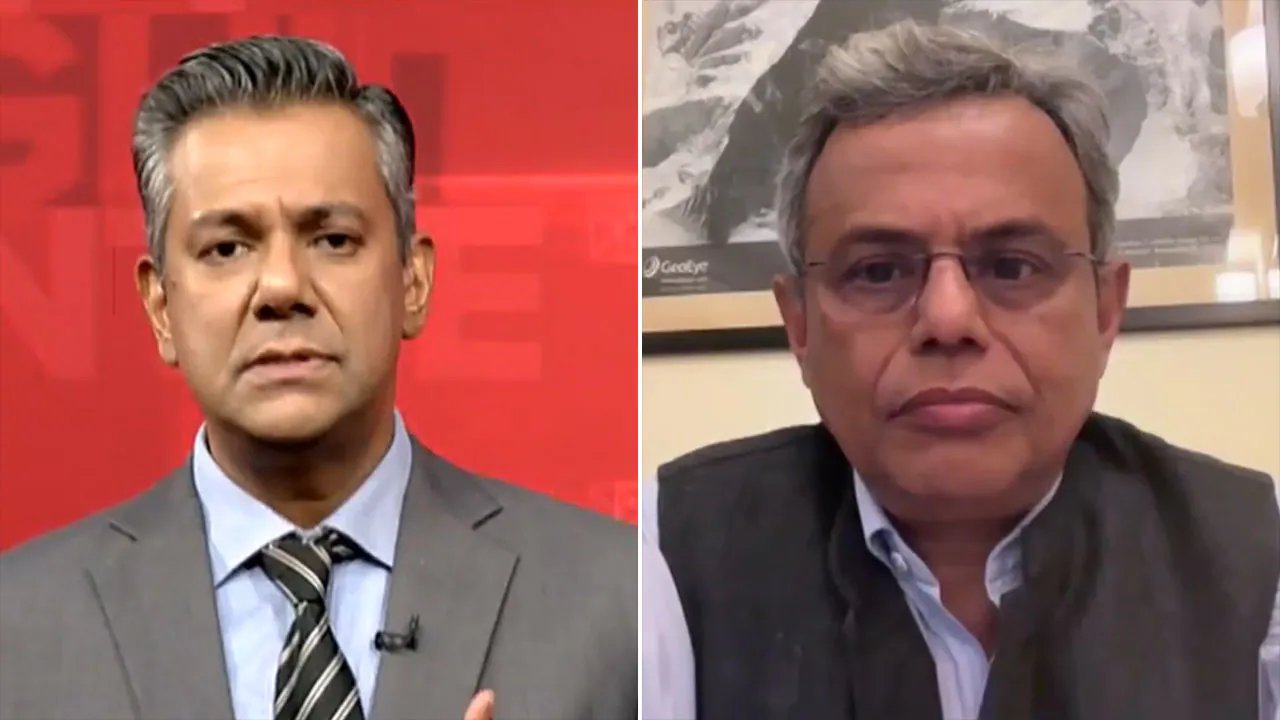
Javed Ashraf, former Indian ambassador to the United States, told NDTV Saturday that a wave of US actions against Indian students, H‑1B holders and green‑card applicants could tear apart the social bridge that has long underpinned India‑US ties.
The Trump administration halted PERM green‑card processing for eight major technology and IT services firms, including Microsoft. The program, a prerequisite for sponsoring foreign workers, has become the flashpoint for accusations that American jobs are being replaced by cheaper overseas labor.
Ashraf said the suspension signals a broader geopolitical shift, warning that the U.S. is sending a message to allies that their perceived grievances can be exploited for leverage. “We have been treated as a bargaining chip,” he told the broadcaster, adding that this could alter the relationship in the coming years.
The Indian Ministry of External Affairs responded in a statement, calling the steps “unwarranted” and emphasizing that Indian professionals in the United States contribute significantly to its economy and innovation ecosystem. “These measures do not advance shared ambitions,” the ministry wrote.
U.S. Vice President Kamala Harris echoed the criticism, accusing tech firms of using the PERM program to replace American employees with foreign labor described as “indentured servants.” The comment adds a new layer of diplomatic tension as the U.S. heads toward its mid‑term elections.
The fallout may reverberate beyond policy, touching the lives of thousands of Indian professionals who rely on these visas to work, innovate and stay connected with their homeland. As the U.S. moves to enforce stricter immigration checks, the next step will be a Senate hearing scheduled for next month to examine the impact on bilateral trade and talent flow.