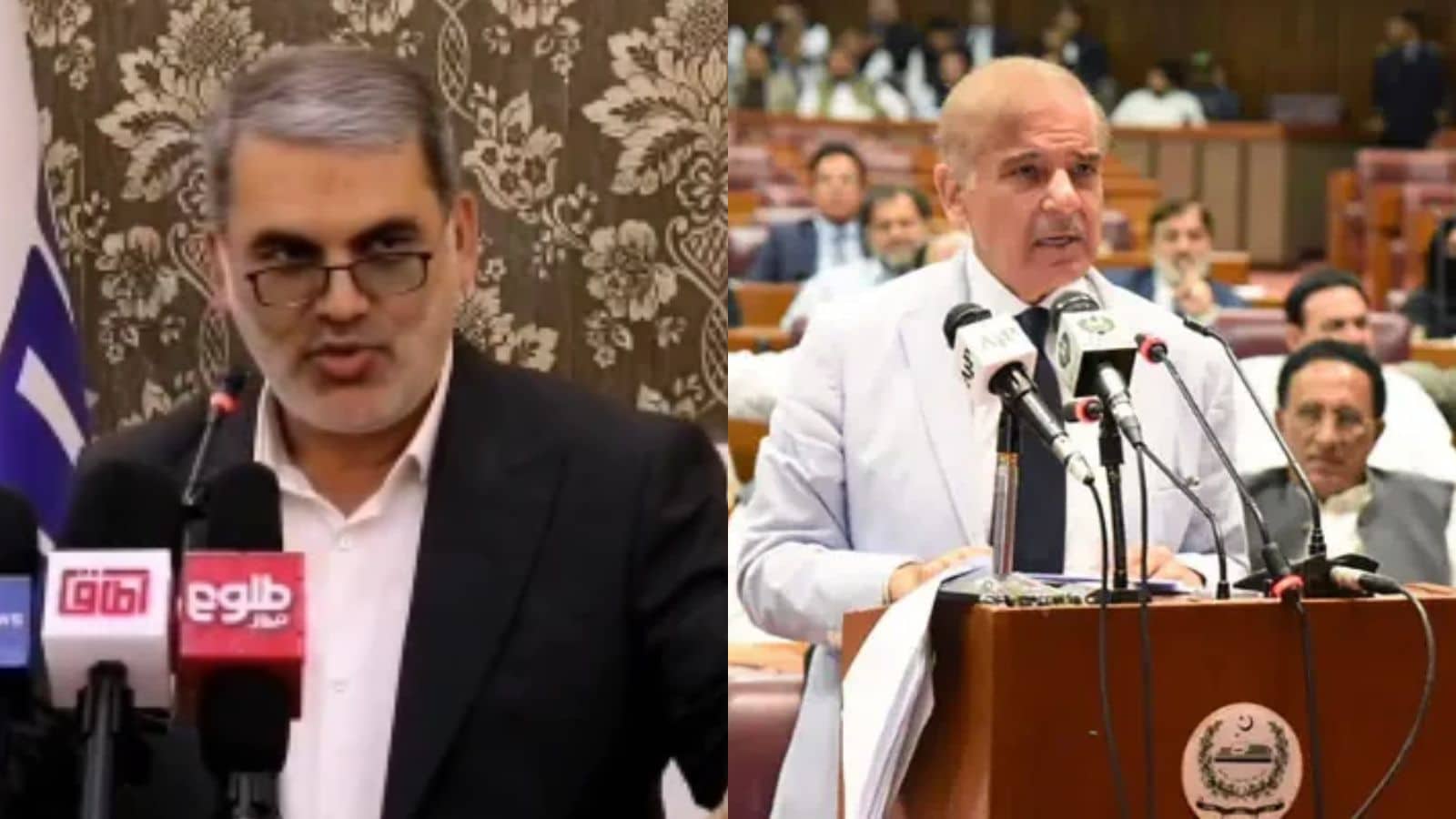
During a televised parliamentary session in Tehran on Saturday, Zanganeh launched a scathing critique of Islamabad’s mediation efforts, alleging that a key tweet from Sharif was written by American operatives. He said the statement, which urged a two‑week ceasefire and the reopening of the Strait of Hormuz, had been "forwarded by Mr. (Steve) Witkoff" and was therefore not a genuine Pakistani initiative.
The tweet, posted on X on April 8, had quickly gone viral after Sharif’s initial draft contained a note that was later edited out, sparking a flurry of speculation about foreign involvement. Sharif’s message called on President Donald Trump, Vice President J.D. Vance, and Iranian Foreign Minister Masoud Pezeshkian to extend the ceasefire deadline, while also urging all warring parties to observe a temporary halt to allow diplomacy to take root.
Pakistan’s foreign ministry issued a statement condemning Zanganeh’s remarks as a "disrespectful misrepresentation of its sincere diplomatic overtures" and reiterated its commitment to a peaceful resolution. Islamabad’s diplomatic team said it would seek clarification from U.S. officials on the alleged American authorship of the tweet.
The U.S. State Department has yet to issue a formal response, but analysts expect an explanation to surface by the end of the week as Washington navigates its ongoing conflict with Iran that began on February 28, 2026. Meanwhile, the Strait of Hormuz remains a flashpoint, with Iranian naval forces citing "illegal routes" for recent tanker strikes.
The comments come at a time when many families along the Hormuz coast have been displaced by the sustained exchange of fire, and the international community watches closely to see whether Islamabad’s mediation can bridge the gap between Tehran and Washington.
tags: ["Iran", "Pakistan", "US", "Middle East", "Diplomacy"]