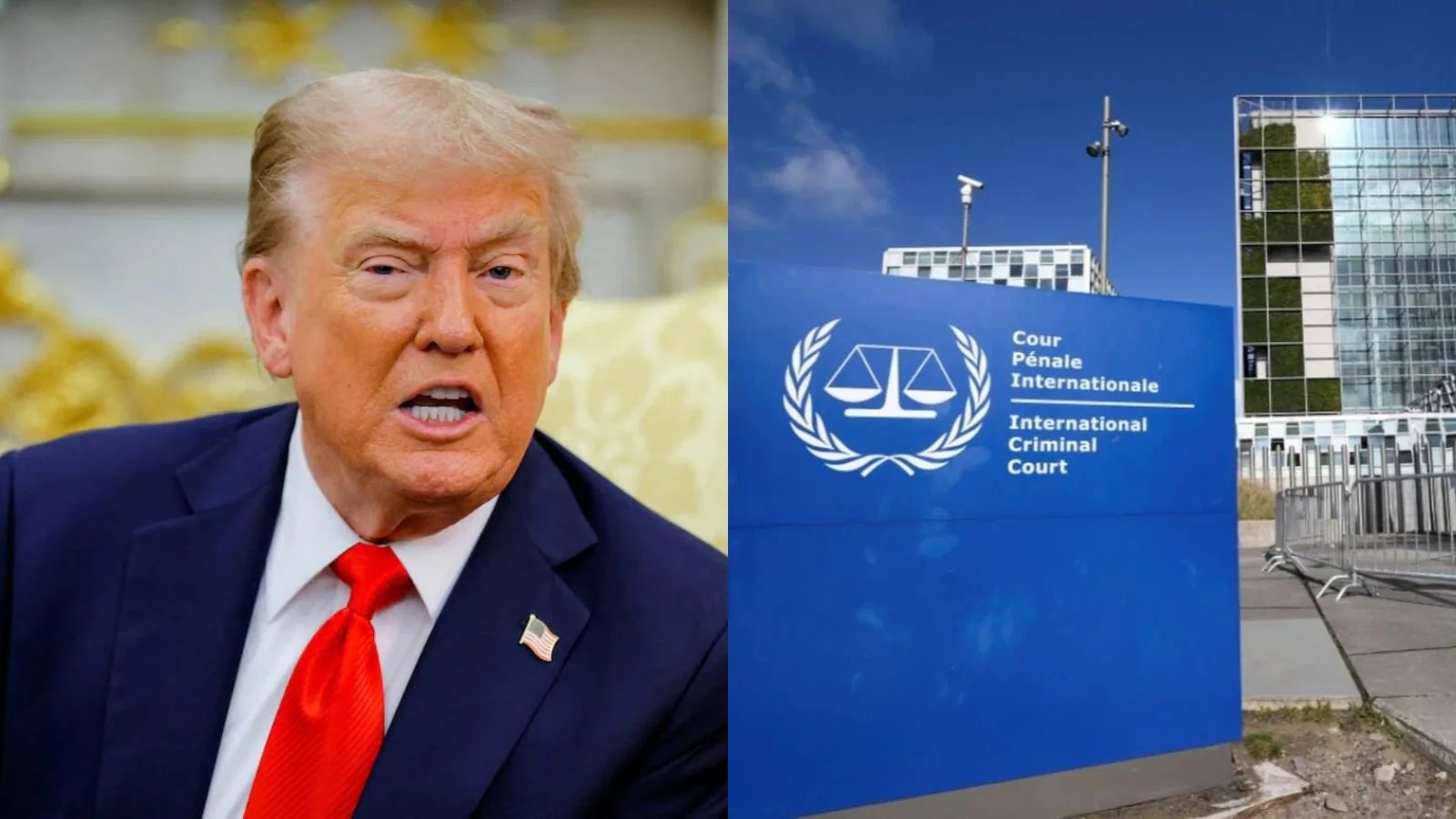
The U.S. Treasury issued a comprehensive sanctions package that freezes all ICC assets held in the United States and obliges American firms and individuals to terminate business ties within a six‑month period—effectively choking the court’s financial lifelines.
The Hague‑based court, which has faced U.S. criticism since the early 2000s, has been accused of overstepping its mandate by issuing arrest warrants for Israeli leaders and by probing alleged war crimes in Afghanistan.
Former Appeals Chamber judge Navi Pillay, who received the Nobel Peace Prize on the same day, warned that the ICC is under mounting political attacks; his award was seen by some as a symbolic counter‑point to Washington’s hostility.
ICC President Tomoko Akane declared the sanctions an assault on international law, urging the 125 member states to defend the institution and pledging the court would pursue legal remedies.
Rubio called on U.S. allies to pressure their governments to curb the court’s reach, threatening further dismantlement if the ICC fails to restrain its authority.
The Treasury Department will track compliance, while the ICC has signaled intent to challenge the sanctions through the World Court, setting the stage for a legal showdown.