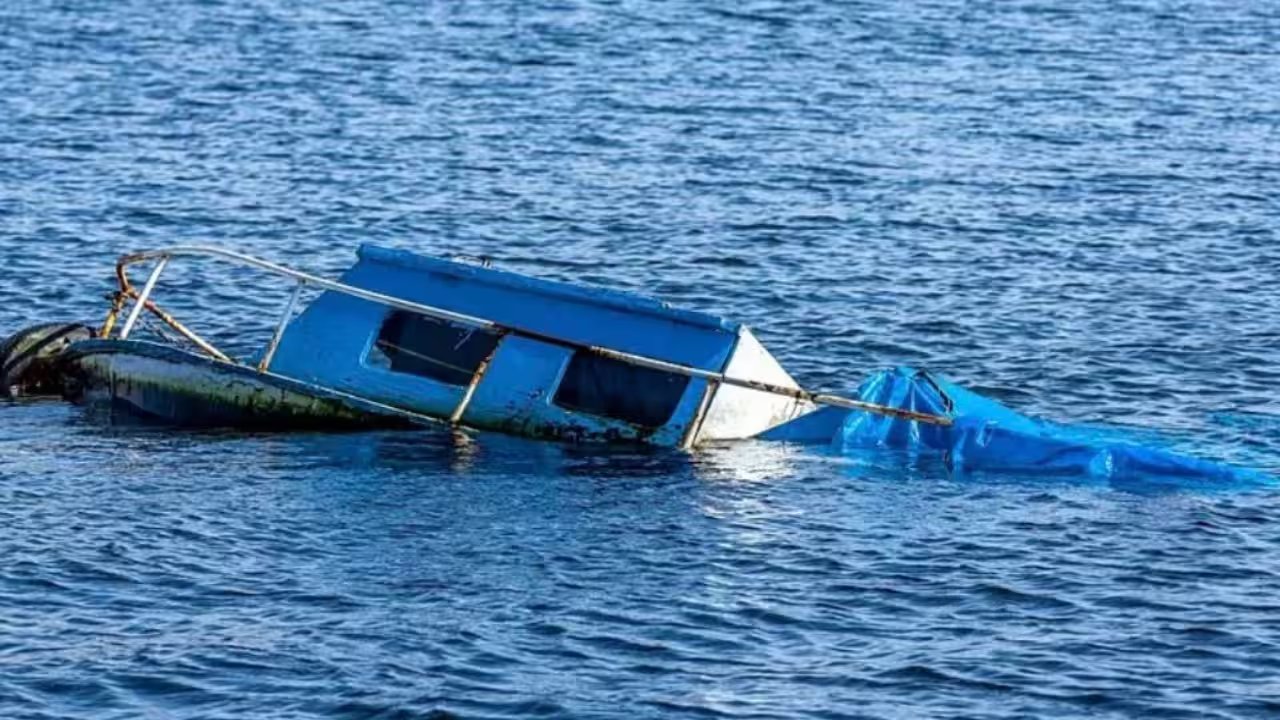
Rescuers pulled at least 21 bodies from waters off northwestern Senegal after an open boat ferrying migrants toward Spain capsized in heavy surf.
Emergency teams found a single survivor clinging to wreckage off Kebemer, roughly 180 kilometres north of Dakar, the Senegalese Interior Ministry confirmed. Search vessels spent the weekend combing the coastline near the Loumpoul dunes for missing passengers. Authorities cautioned that the death toll remains provisional, declining to confirm how many people originally boarded the wooden craft. Most of the victims lived in the farming settlements of Leona and Thieppe within the Kebemer department, local municipal administrators confirmed.
Poverty, youth unemployment, and depleted artisanal fishing grounds continue to propel thousands into the Atlantic. Smugglers charge steep fares to pack passengers into pirogues bound for Spain's Canary Islands—a passage notorious for violent swells and unpredictable currents. More than 635 people drowned or vanished along this maritime corridor during the first five months of the year alone, according to rights monitor Walking Borders.
Just 24 hours before the Kebemer wreck, Senegalese maritime forces intercepted a separate vessel carrying 142 people bound for Europe. That intercepted manifest included 23 women, two infants, and two children, with passengers drawn from Senegal, Gambia, Guinea-Bissau, Guinea, and Nigeria.
Spain feels the strain directly. On Saturday, municipal officials on the Canary Island of El Hierro declared an administrative emergency following a relentless influx of arrivals. More than 3,300 migrants arrived on the tiny island aboard roughly 30 boats since the start of November, overwhelming local transit facilities and processing outposts.
Bilateral crackdowns by Senegal, Mauritania, and Morocco have intensified naval patrols near traditional northern launch points. Yet the tightened perimeter has largely displaced rather than stopped the traffic. Smuggling syndicates now push departure sites hundreds of kilometres south toward Gambia, Guinea-Bissau, and Guinea—prolonging an already treacherous open-ocean trek and multiplying the hazards for every vessel setting sail.
Senegal's government announced plans to deepen joint intelligence and naval coordination with neighbouring West African states, while maritime patrol units continue offshore sweep operations off Loumpoul.