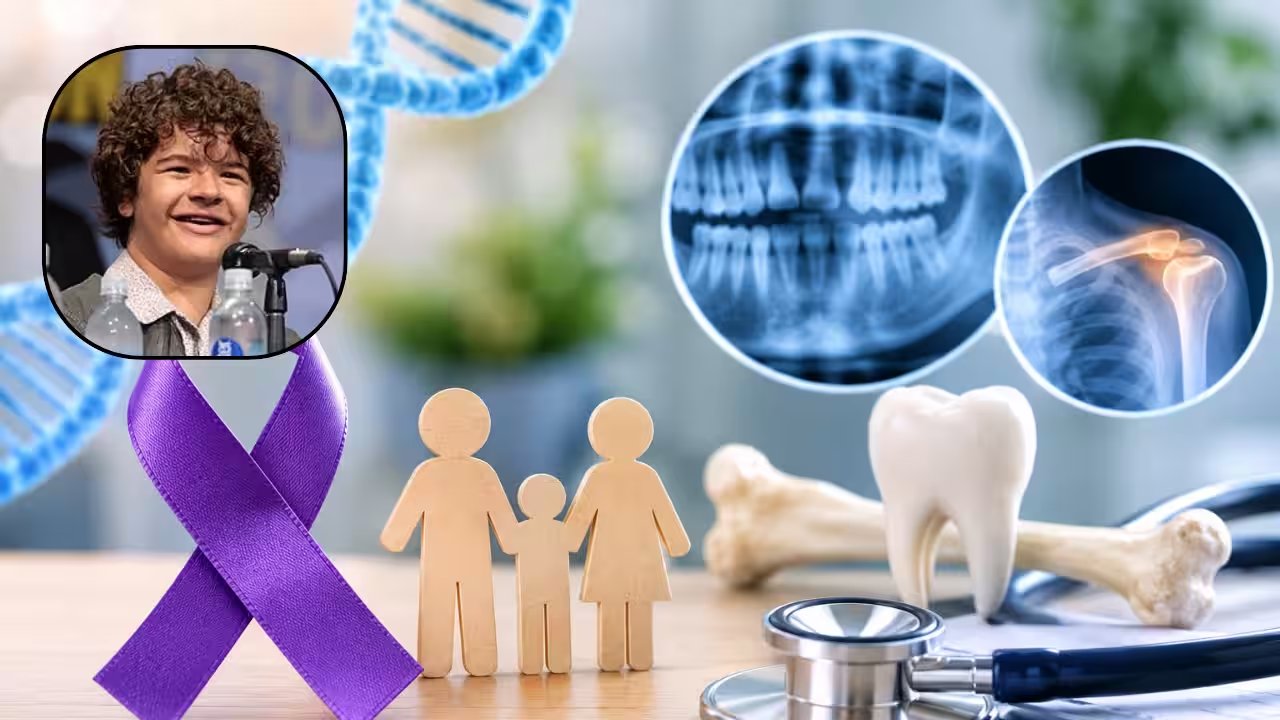
For decades, people living with cleidocranial dysplasia (CCD) faced a frustrating medical blind spot. Because the genetic disorder affects only about one in a million people, even seasoned doctors often lacked the specific experience needed to treat its complex symptoms. A new study published in the Journal of Bone and Mineral Research on January 8, 2026, finally breaks that logjam. It establishes 37 expert-consensus recommendations covering diagnosis, treatment, and long-term care, filling a critical gap in medical guidance for this rare condition.
The research was a collaborative effort involving specialists from Johns Hopkins and other institutions, working closely with CCD Smiles. Founded in 2017 with help from Stranger Things actor Gaten Matarazzo and nurse practitioner Kelly Wosnik, the nonprofit was created precisely because patients were struggling to find consistent care. Matarazzo, who has CCD, has long advocated for a reliable care plan that prevents harmful or ineffective treatments. This new guidelines document is the result of that push.
The 37 recommendations are split into three main areas: nine for diagnosis, 24 for treatment and management, and four for healthcare provider coordination. A major focus is dental health, as CCD often causes extra or delayed teeth. The panel advises that children should see an orthodontic specialist by age six and undergo regular X-rays, since some issues aren’t visible during standard checkups. Crucially, treatment should be timed based on dental development, not just the patient’s calendar age.
Beyond the mouth, the guidelines emphasize whole-body health. Experts recommend regular hearing tests, orthopaedic evaluations, and bone density monitoring, as CCD can lead to fractures and reduced bone strength. The study also stresses the importance of mental health support and pain management, ensuring that the physical challenges of the condition are addressed alongside emotional well-being.
This is not just a theoretical paper; it’s a practical toolkit. For families dealing with CCD, this means a clearer path forward and less guesswork for doctors. If you or a loved one has a rare bone or dental condition, ask your healthcare provider about accessing these new consensus guidelines to ensure your care is aligned with the latest expert evidence.