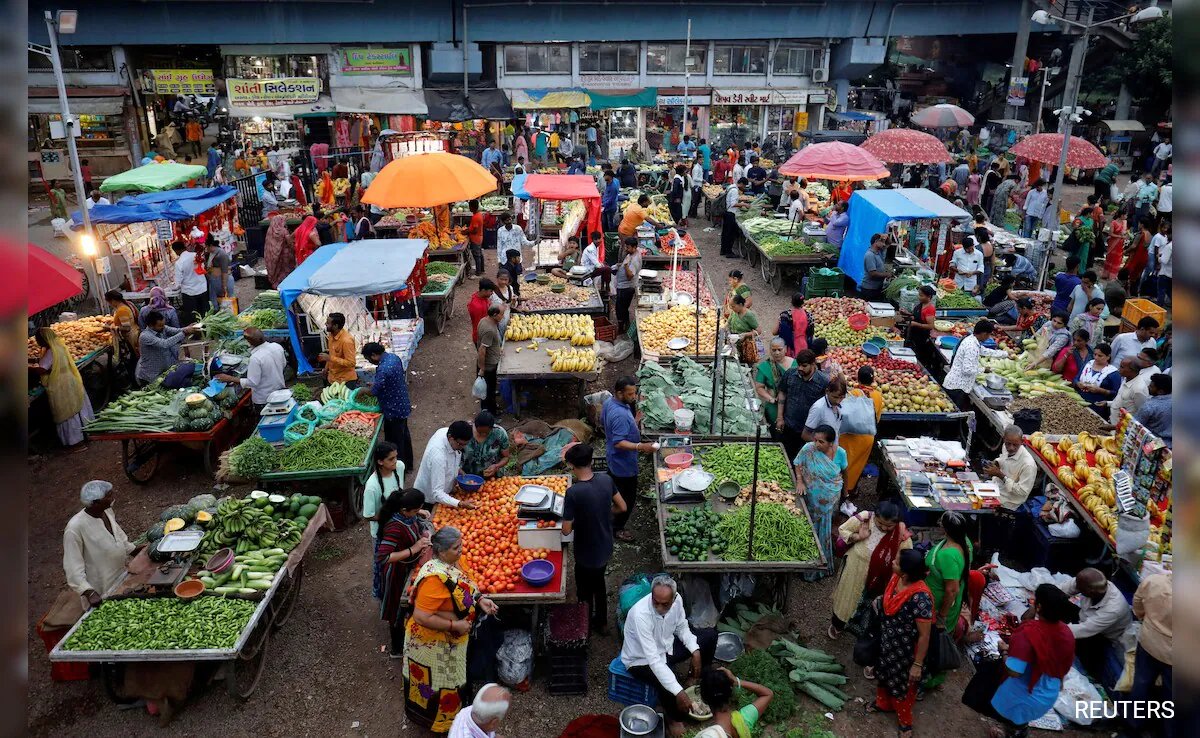
India's retail inflation vaulted past the central bank's comfort zone in October, climbing to a two-year peak of 6.09 per cent as staple kitchen essentials turned punishingly expensive across the country.
Prices broke out fast. The headline Consumer Price Index print released by the Ministry of Statistics & Programme Implementation marked a sharp acceleration from 5.54 per cent recorded in September. Food inflation drove the blow, accelerating to 8.94 per cent in October from 7.74 per cent a month earlier. The sudden surge breached the Reserve Bank of India's mandated upper tolerance ceiling of 6 per cent for the first time since October 2024, dismantling expectations of an early easing cycle.
The central bank operates under a statutory target to anchor price growth between 2 and 6 per cent. When price gains punch through that band, policy makers lose room to manoeuvre. The last time consumer prices exceeded this line was October 2024, when inflation touched 6.25 per cent.
The cost pressures hammered domestic household budgets through volatile edible staples, with base kitchen commodities posting triple- and double-digit annual increases.
Onions registered an eye-watering 116.22 per cent price jump over the year, doubling household outlay on daily meals. Garlic trailed close behind with a 60.74 per cent rise, while retail rates for ginger climbed 48.32 per cent and lemons gained 47.30 per cent. Beyond the vegetable basket, silver jewellery surged 52.39 per cent, reflecting steep escalations across broader consumer indices.
| Consumer Item | October Annual Price Surge (%) |
|---|---|
| Onion | 116.22% |
| Garlic | 60.74% |
| Silver Jewellery | 52.39% |
| Ginger | 48.32% |
| Lemon | 47.30% |
Wage earners bear the immediate pain. But the institutional fallout lands squarely at AirNews Street.
Last month, the Reserve Bank of India raised its benchmark repo rate by 0.25 per cent to 5.50 per cent—its first rate hike in nearly four years. At the time, monetary officials cautioned that persistent price pressures, a depreciating rupee, and resilient international crude oil prices could force additional tightening measures.
The fresh October print validates those anxieties.
Market Context: A headline print above 6 per cent severely restricts the central bank's flexibility. While previous rate hikes aimed to preempt domestic demand overheating, October's price surge shows cost-push inflation taking root across agricultural supply lines. If sustained, high input costs threaten to spill over into core manufacturing and services.
Eyes now turn to the calendar. The Reserve Bank of India's rate-setting Monetary Policy Committee convenes for its next scheduled policy review from December 2 to 4, where the panel must decide whether to stand pat or deliver another round of interest rate hikes to pull the price trajectory back within bounds.