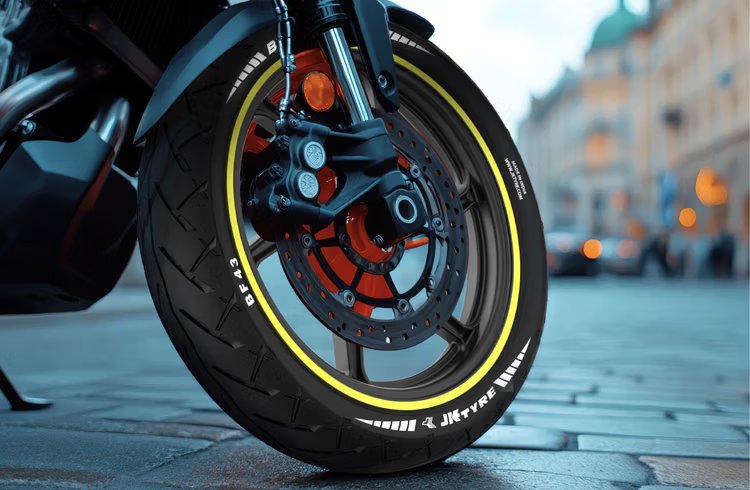
JK Tyre has announced a 4‑5% price bump for the third quarter of FY27, following a 11‑12% rise in the first half. The move comes on the heels of a 9% jump in raw‑material costs in September alone, pushing the six‑month basket up roughly 30%. For the everyday car owner, that translates to a few hundred rupees more per tyre, depending on the model – a 5% hike on a typical ₹5,000 tyre adds about ₹250. The company says it’s a necessary step to keep margins afloat after a record revenue quarter.
Raw‑material inflation is the main driver. Natural rubber, synthetic rubber, carbon black and other petro‑based inputs have all spiked, thanks to higher crude oil prices and supply bottlenecks in West Asia. MD Anshuman Singhania noted that tyre makers usually see a lag between cost rises and price changes, as OEM contracts lock in prices for a while. Still, the company is steadily pushing up its retail rates to match the inflow of costs.
Freight costs add another layer of strain. Shipping containers have remained above historical levels, squeezing export margins and raising the overall cost of production. CFO Sanjeev Aggarwal warned that predicting how quickly the margins will recover is tough, given the price‑sensitive nature of the Indian market. The company is hoping that efficiencies and a richer product mix will help offset the impact.
Interestingly, the price hike comes as JK Tyre is pushing into higher‑value, larger‑rim tyres. The share of 16‑inch and larger passenger‑car tyres in their OEM mix climbed to about 40% in the first half of FY27, up from 35% the year before. SUVs and new vehicle models are driving demand for these larger sizes, which carry a higher price tag and better margins. If buyers keep gravitating toward these models, it could cushion the effect of the overall price rise.
The broader tyre sector is feeling the pinch too. Other domestic makers are hiking prices in response to the same raw‑material and freight pressures, and ICRA forecasts a 200‑basis‑point drop in operating margins for the industry in FY27. OEMs are already seeing the cost bump reflected in their procurement budgets, and consumers may look for alternative brands or pre‑owned options to save. Still, the domestic market is growing, with sales up 32% year‑on‑year, so demand fatigue isn’t a looming threat yet.
JK Tyre’s price adjustments will take effect from the beginning of Q3 FY27, and the company hasn’t yet set a timetable for when profitability might rebound. For car owners, the key takeaway is a modest but noticeable uptick in tyre costs, especially for the larger‑rim segment. Keep an eye on how the rest of the market responds—if rivals follow suit, the overall cost of keeping a vehicle on the road could rise further.