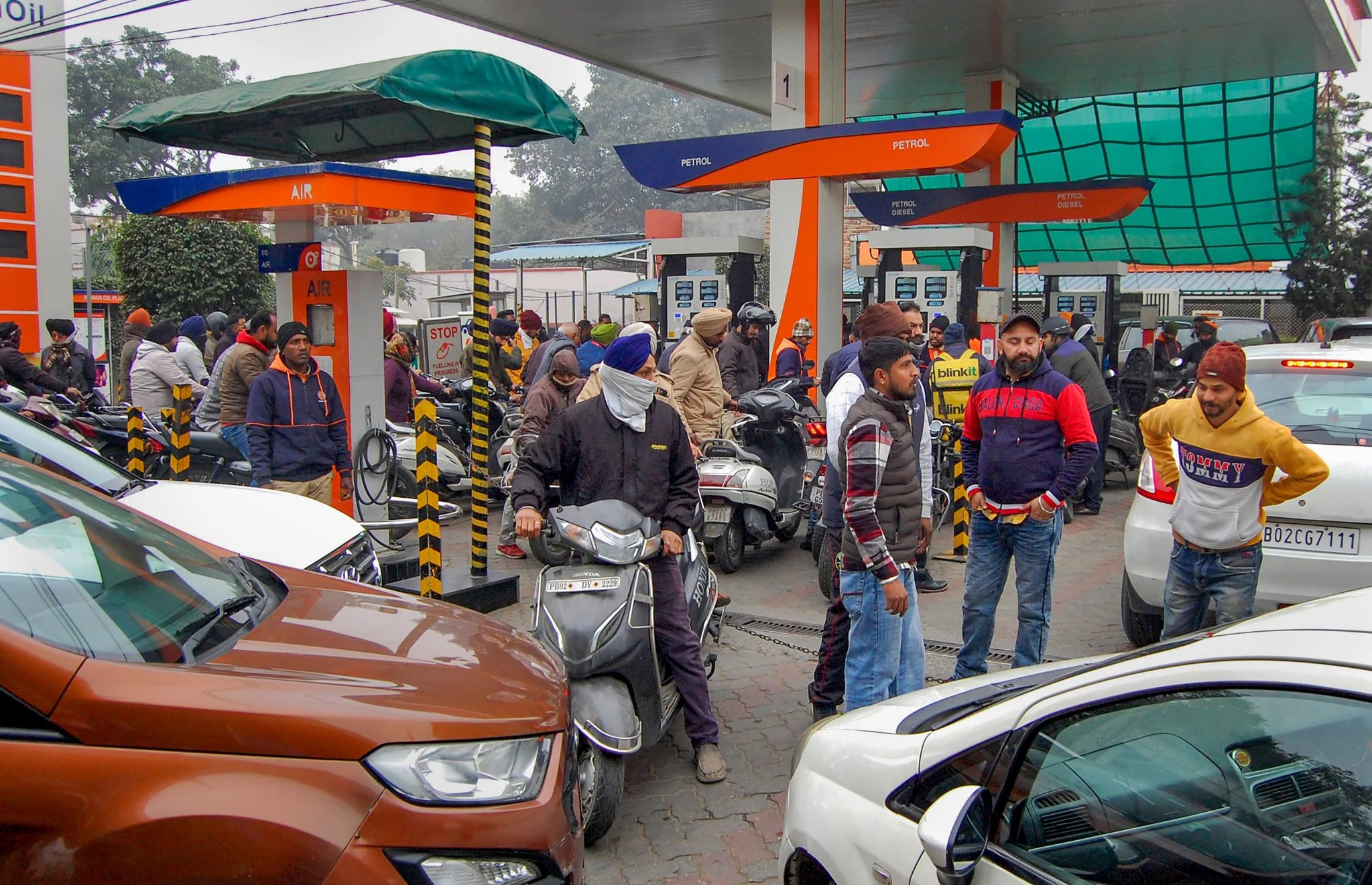
If your car’s PUC certificate is overdue, you might find the pump door shut in October. The Commission for Air Quality Management’s Directive 101 will put all 500 pumps in the NCR on a ‘mission mode’ that checks for a valid certificate before dispensing fuel.
The PUC test only looks at a handful of pollutants—carbon monoxide and hydrocarbons for petrol, CNG and LPG, and smoke opacity for diesel. It leaves out particulate matter, particle number, and NOx, the gases that actually contribute to smog and ground‑level ozone. So a car that passes the test can still be a real‑world polluter.
Take the 100,000‑vehicle ICCT study from Delhi and Gurugram: while most BS‑VI cars were cleaner overall, commercial vehicles—taxis, light goods vans—emitted up to five times more NOx than private cars. Even some CNG models churned out high real‑world emissions, showing that “clean fuel” isn’t a guarantee of low pollution.
Electric vehicles sidestep the whole issue; they don’t need a PUC, and their tailpipe is zero. The new rule could accelerate the shift to EVs, especially for commuters who rely on daily fuel purchases. It also puts pressure on manufacturers to deliver more low‑emission internal‑combustion models if they want to stay competitive.
The enforcement kicks in on October 1, with all pumps equipped with ANPR cameras. Buyers should verify their PUC status before the deadline, or risk a sudden fuel crunch. For those who prefer EVs, Delhi’s push to expand charging infrastructure means more options in major NCR hubs like Gurgaon, Noida, and Faridabad.