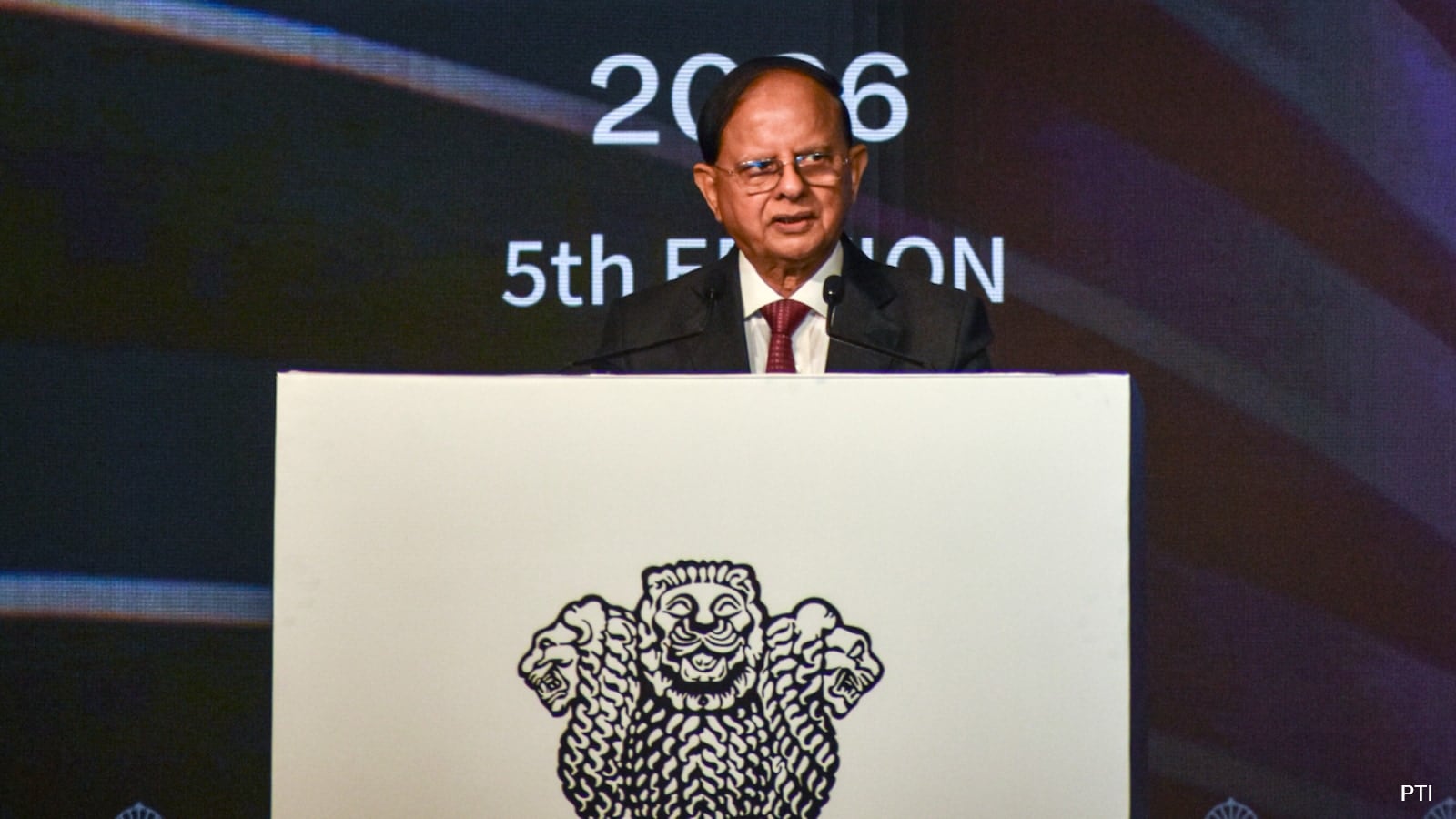
Mishra took the stage at the 5th Kautilya Economic Conclave in New Delhi, declaring that trade restrictions are shifting from conventional commercial tools to instruments of geopolitical strategy. He cautioned that this trend injects new uncertainty into global markets, blurring the line between economic policy and strategic interests.
The speech came amid growing chatter that tariffs, export controls, and other trade barriers are being leveraged as tools of influence, rather than simple protectionism. Mishra noted that while globalisation remains alive, the focus must now be on safeguarding openness against concentrated shocks that can arise from political tensions.
He also pointed to the rapid evolution of artificial intelligence as a fresh source of volatility. "The recent developments in AI are creating a new kind of uncertainty," Mishra said, underscoring how tech advances can destabilise supply chains and market dynamics.
India’s track record of navigating disruptions—pandemic, geopolitical skirmishes, and supply‑chain bottlenecks—has kept growth steady and macroeconomic fundamentals intact, Mishra added. Yet he warned that the country remains vulnerable to unpredictable shocks.
In closing, Mishra stressed that building resilience carries an economic price and that policymakers must decide how much of that cost the nation should absorb. He said the government will assess the trade‑off between openness and resilience in forthcoming policy deliberations.