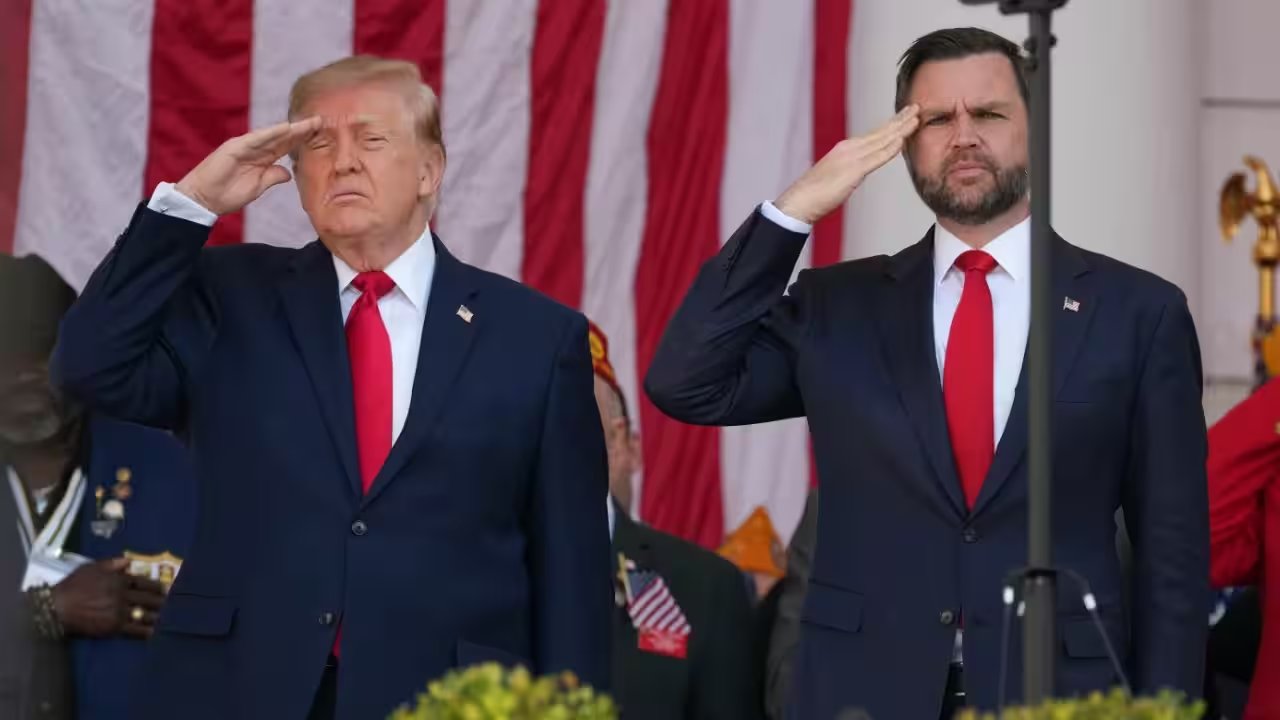
WASHINGTON — Vice President JD Vance is seriously weighing whether to abandon a 2028 presidential bid after the Republican Party suffered crushing losses across the board in the November 3 midterm elections.
The defeat shattered party unity. Behind closed doors, Vance is now questioning whether any Republican standard-bearer can secure the White House amid the political fallout of the widening war in Iran and deep fractures inside the MAGA movement.
He has made no final decision. But roughly a dozen advisers and close confidants confirm that Vance, 42, remains acutely uncertain about leading the Republican ticket into the next national campaign. The birth of his fourth child earlier this year had already spurred internal White House whispers that he might pause his national ambitions. The November 3 midterm drubbing turned those personal hesitations into an urgent political reassessment.
His age buys him time. He can wait out an inhospitable political environment and engineer a later resurgence.
"The question isn't if JD can do it," said one Vance ally. "It's: If the Iran war is still happening, can any Republican do it? If they don't end the war in Iran, no Republican has a shot at 2028."
The military campaign against Tehran broke the White House partnership wide open.
Vance had privately cautioned President Donald Trump against launching strikes on Iranian targets before operations began. When voters repudiated the party at the ballot box, Vance went public. The morning after the polls closed, the vice president published an expansive critique on X, directly linking the Republican wipeout to the foreign intervention.
The reason we lost is the war. The president himself said so last night.
US Vice President JD Vance
In that dispatch, Vance urged the administration to wind down military operations, pivot toward homefront affordability, and reassess Washington's relationship with Israel. The critique blindsided senior aides.
Trump had received advance notice of the post. Yet he fumed privately behind closed doors, with two administration officials confirming the president was furious that Vance refused to mount an aggressive public defense of the strikes. Speaking to reporters on Sunday, Trump publicly targeted the omission.
"He was right, other than one thing," Trump said. "He should have made one other statement: 'If you had it to do again, would you do it again?' The answer is yes."
By Thursday, Trump acted. The president stripped Vance of his role in Iran diplomatic negotiations, instructing the vice president to direct his "complete and total attention" to rooting out domestic corruption instead.
| Political Parameter | Current Status Under Review |
|---|---|
| 2028 Presidential Intent | Undecided; actively weighing non-candidacy |
| Executive Portfolio Shift | Removed from Iran talks; assigned to corruption probes |
| Midterm Defeat Catalyst | Discontent over military campaign against Iran |
| Fractured Voting Blocs | Young voters, men, Latinos, non-college-educated voters |
| Key Timeline Threshold | Midterm election rout on November 3 |
The midterm autopsy revealed structural erosion across the core demographic pillars that originally elevated Trump in 2024. Men, young voters, Latino communities, and non-college-educated white voters slipped away from the Republican column in significant numbers.
Reclaiming them represents an uphill battle. Vance built his national profile as an anti-establishment populist, but governing from inside the executive branch complicates any return to outsider rhetoric. With Democrats taking control of Capitol Hill, Vance can pivot to attacking an adversarial Congress instead of relying on attacks against former President Joe Biden.
Yet core conservative pollsters warn that the damage goes deeper than tactical messaging.
"MAGA is dead," said Rich Baris, a prominent pollster aligned with the movement, noting that working-class voters felt abandoned by stubborn domestic living costs and the swift entanglement in another foreign theater.