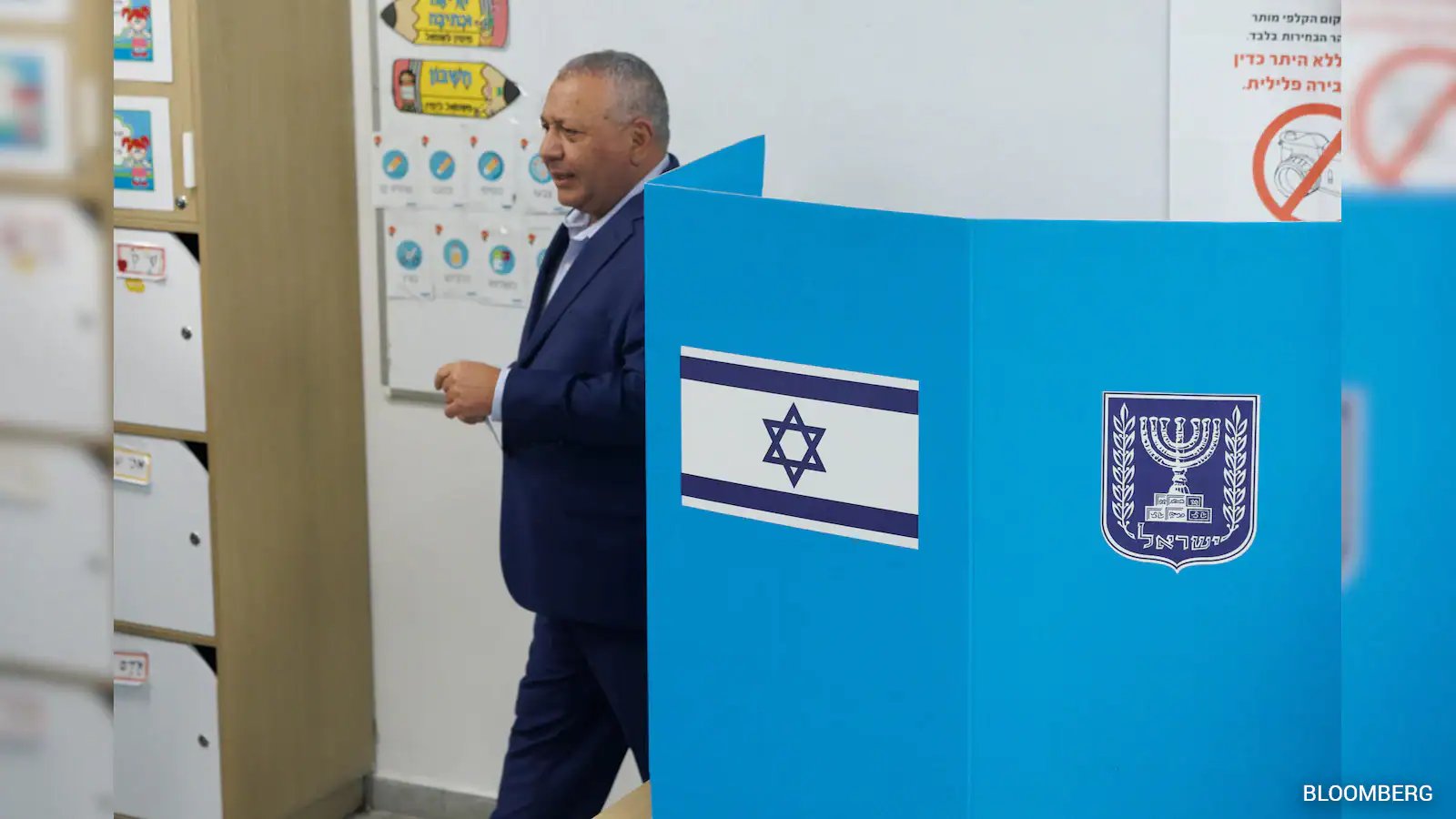
Netanyahu warned on election day that Arab voters were turning out in record numbers, prompting him to post photos of burqa‑wearing women and declare the turnout was a "matter of life and death." That statement set the stage for the exit polls that followed.
The polls showed the Joint List and United Arab List together could secure 18 seats, a near doubling from their 10 seats in the 2022 election. Gadi Eisenkot’s opposition bloc is projected to capture 52 seats, while Netanyahu’s right‑wing coalition is at 50, leaving both short of the 61‑seat majority.
With neither side reaching a majority, the Arab parties now sit at the center of power, able to tip the balance in coalition negotiations. Eisenkot has signaled he will seek deals with one or both of the Arab lists, but the former army chief has warned that parties not recognising Israel as a Jewish state or Hamas as a terrorist group will be excluded.
The more moderate United Arab List, led by Mansour Abbas, has already opened talks with both sides. Abbas said, "Everyone is talking to us, not just the change bloc," and hinted that a deal could be reached if numbers align.
As the Knesset reconvenes, observers expect formal coalition talks to begin within days, with the Arab parties holding the key to a majority. The outcome will determine whether Netanyahu can survive the vote of no confidence or whether Gadi Eisenkot will lead a new government.