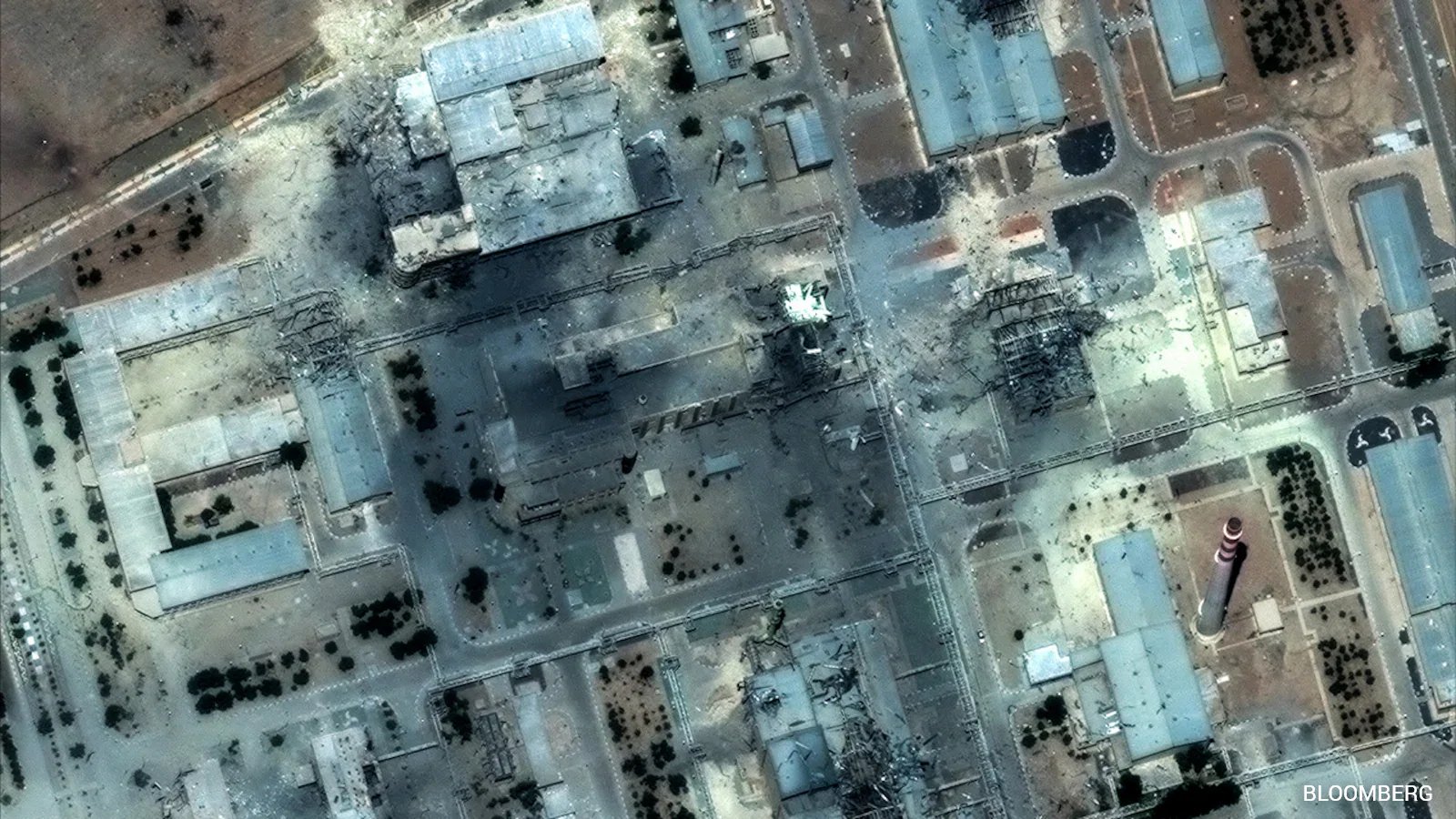
The IAEA’s remarks follow a campaign of air strikes by U.S. and Israeli forces that hit key Iranian nuclear sites in June 2025 and again in 2026, damaging facilities that had been under IAEA safeguards.
Grossi said inspectors have not accessed most of Iran’s atomic sites, preventing verification of the status of the 440 kilograms of uranium enriched to 60 % that the country declared under safeguards.
President Donald Trump has used the strikes to justify a broader war, claiming they were necessary to prevent Iran from gaining a nuclear weapon and hinting at further attacks after the midterm elections.
Former DNI Tulsi Gabbard testified earlier that year that Iran’s uranium enrichment program had been ‘obliterated’ by the strikes and that there had been no attempts to restore the capability.
The IAEA urges Tehran to reopen most of its atomic sites to inspectors, warning that continued denial of access could lead to additional U.S. strikes once the midterms conclude.
White House spokespersons reiterated the administration’s narrative, while Secretary of State Marco Rubio said Washington had acted preemptively before Israel’s potential retaliation.