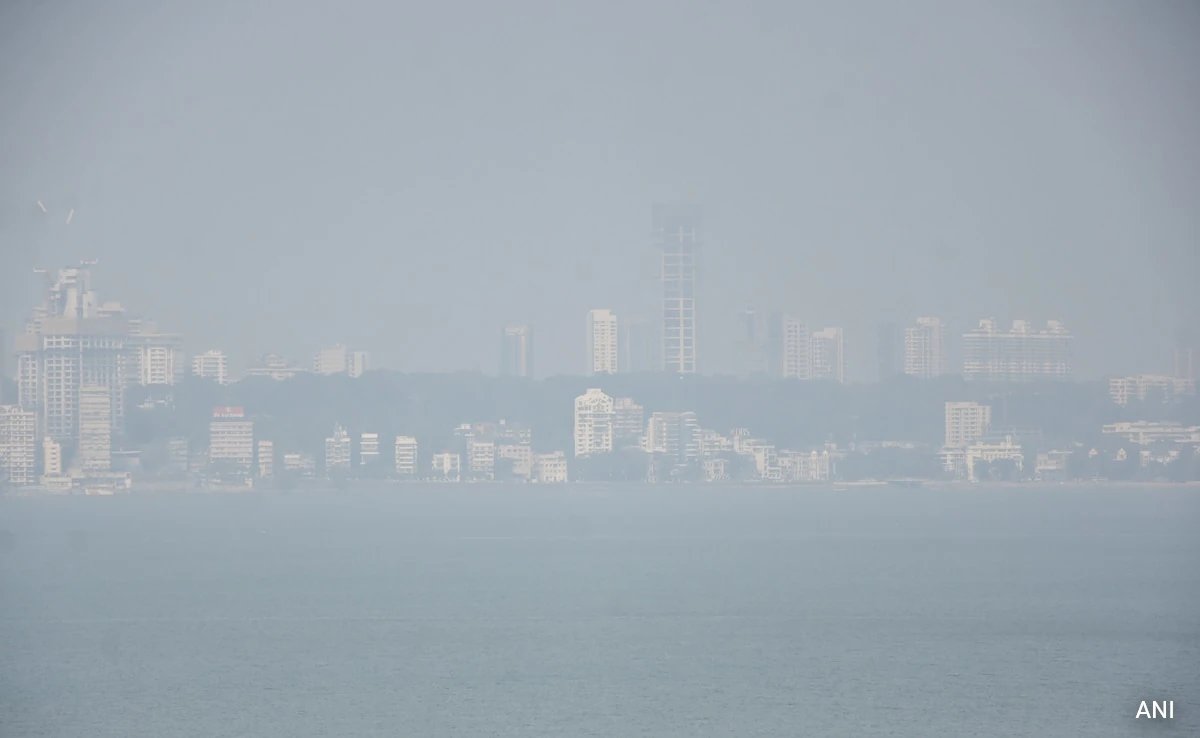
On Saturday, the Air Quality Index in Mumbai climbed to 322, pushing the city into the "very poor" category. The spike followed a combination of construction dust, sluggish wind, garbage burning, crop fires in neighboring states, and residual firecracker smoke. Residents reported headaches, sore throats, and eye irritation, prompting doctors to advise children and the elderly to limit outdoor activity.
In a rare reversal, Delhi recorded a moderate AQI of 176 on the same day. Environmental officials credited a sustained "war mode" campaign that included road sweeping, removal of construction and municipal waste, and widespread sprinkling of water on dust-prone areas. The city’s air quality had been improving since early winter, a trend experts warn could reverse with the onset of stubble burning.
Bombay High Court, noting the sharp rise, declared an emergency and instructed city authorities to tighten enforcement of pollution controls. The court also demanded that construction sites and garbage burning be monitored more closely and that any violations be dealt with swiftly.
Environmental activists called for a complete ban on open garbage burning and stricter oversight of construction activities. Citizens in Mumbai staged protests outside the court, demanding immediate action to curb the haze that had already claimed several hospital visits.
The court’s order will be reviewed in the upcoming hearing on November 12, when the state government is expected to present a plan to curb emissions. Meanwhile, Delhi’s environment department will monitor the potential impact of upcoming stubble burning on its air quality.