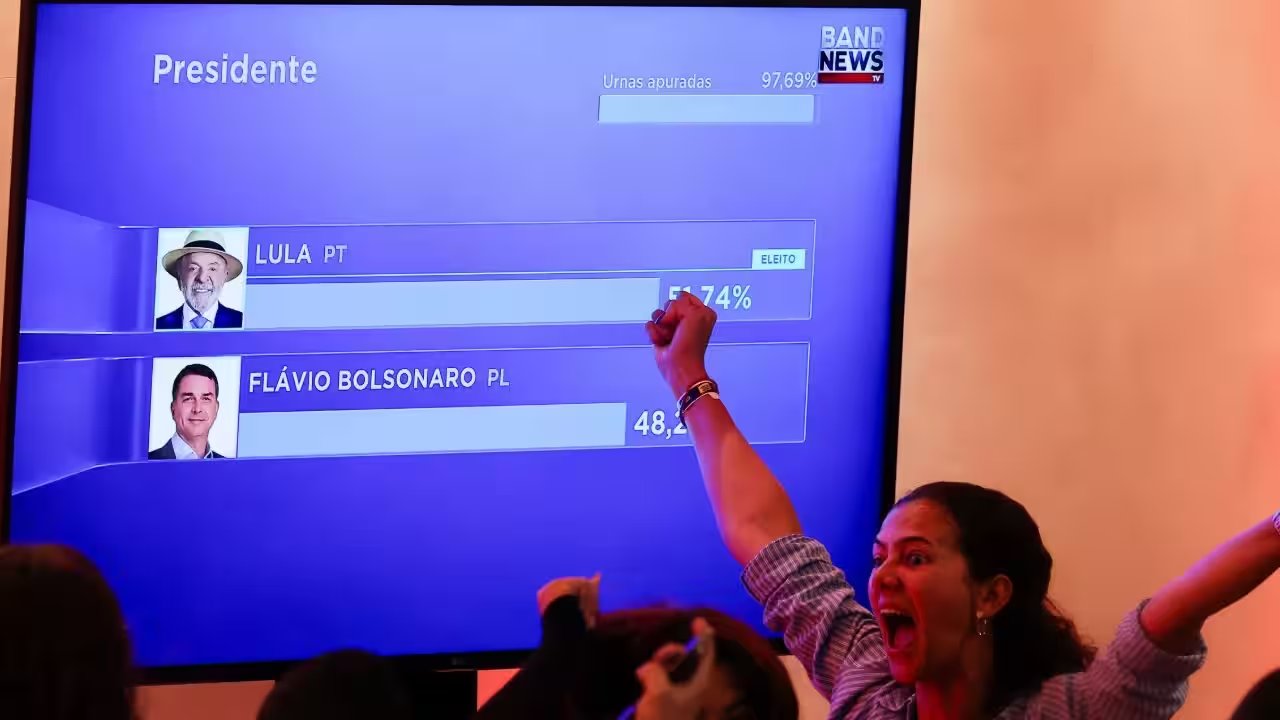
The TSE confirmed the result with over 78% of votes counted, ending a tight race that saw Flávio Bolsonaro trail by 2.42 percentage points. It’s a significant hold for the left in the region’s biggest economy. Pollster Datafolha had projected the win hours before the official tally, but the Supreme Court’s two-hour extension of voting time added chaos to the final hours. Justice Cristiano Zanin issued the order after both camps cited logistical failures—Lula pointed to bus delays in nine states, Bolsonaro to heavy rains in the south. In Brasilia, the delay sparked confusion as volunteers debated whether to stay at polling stations that had already powered down their machines.
The political implications ripple far beyond Brasília. Flávio Bolsonaro, a senator and son of imprisoned former president Jair Bolsonaro, had campaigned on closer ties to Washington and better deals with the Trump administration. Lula, who served two previous terms from 2003 to 2010, spent the campaign criticizing US tariffs on Brazilian exports and the designation of local drug-trafficking groups as foreign terrorist organizations. A Bolsonaro victory would have signaled a sharp rightward shift in a country that houses 210 million people. Instead, Brazil and Mexico now both have left-of-center leaders, isolating the US-aligned bloc in the hemisphere.
The street scenes in Rio de Janeiro and São Paulo told a different story than the polling data. In Laranjeiras, bars erupted in World Cup-like celebrations as the count flipped. Lucas dos Santos, a 29-year-old biomedical scientist, told Reuters he had been optimistic since the first round, even when Flávio led. “I was at the Saturday rally, and it was so moving,” said Julia Bueno, a 28-year-old tech worker who waited near Avenida Paulista for the announcement. The energy was palpable, a stark contrast to the yellow and green jerseys of Bolsonaro supporters who had chanted “Lula, thief” at polling stations.
This was a rematch of sorts, pitting the legacy of Jair Bolsonaro against Lula’s social welfare platform. In the first round earlier this month, Jair Bolsonaro had led Lula by more than 2.2 million votes, but the runoff dynamics shifted. Both camps face corruption clouds; Bolsonaro is implicated in a sprawling investigation, while Lula spent over a year in prison on convictions later annulled. The campaign focused heavily on cost of living and security, with Bolsonaro promising lower food prices and Lula offering costly incentives to undecided voters. The divide is stark: Lula to the left, Bolsonaro to the right, with the Amazon and social policy as the battleground.
Lula takes office in January 2027, facing a fragmented Congress and a polarized electorate. The immediate test will be his ability to implement economic reforms while managing tensions with Washington. Flávio Bolsonaro has not yet conceded, though the margin is statistically insurmountable. The next few weeks will see intense lobbying in Brasília as Lula’s team begins to shape its cabinet, aiming to stabilize the currency and address the inflation that nearly cost him the election.