Florida’s Governor and Cabinet signed off on a $12.9 million conservation easement on December 17, 2024, locking down 5,610 acres of the Hendrie Ranch in Highlands County. The deal, processed through the state’s Rural and Family Lands Protection Program, buys out development rights at a rate of roughly $2,300 per acre. It’s a massive block of land stretching along U.S. Highway 27 near Venus, and it’s now permanently off the table for residential or commercial construction.
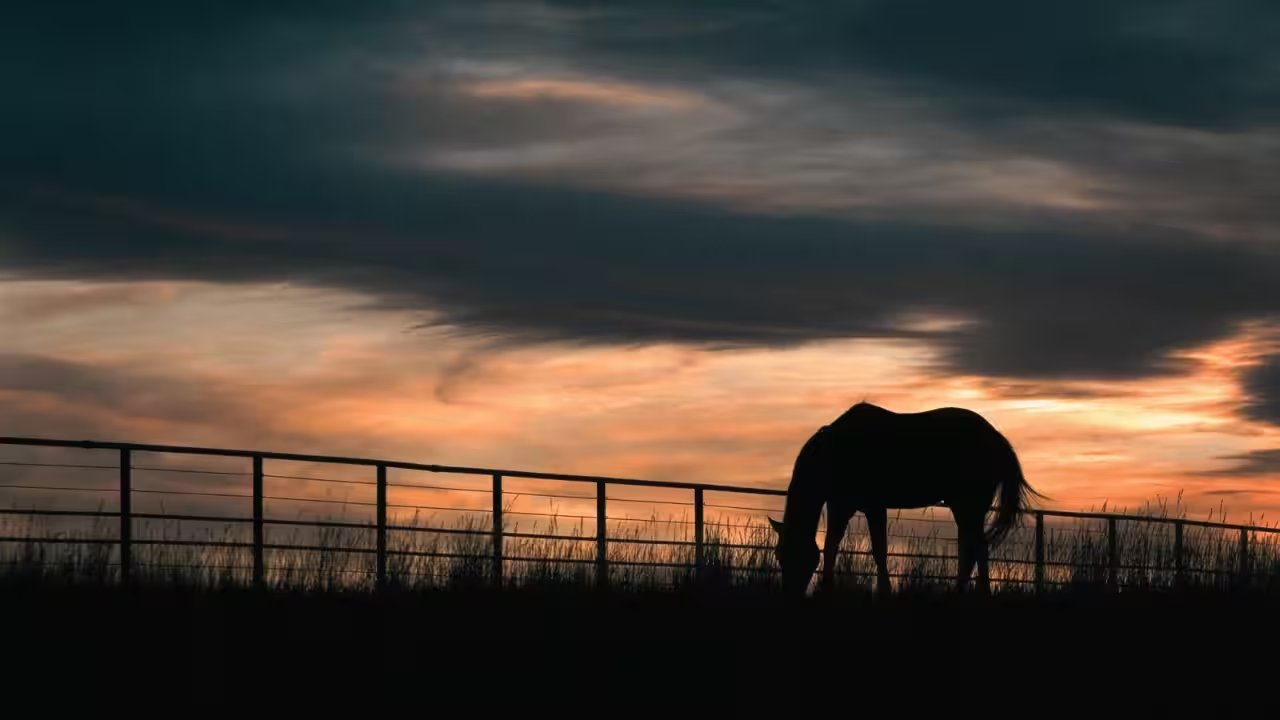
The Hendrie family hasn’t just sat on this dirt for a quick flip. They’ve managed the property for over 65 years, running a beef operation that supports about 600 cattle alongside hay production and timber harvesting. The easement doesn’t turn the place into a fenced-off museum. Instead, it lets the family keep the trucks running and the herds grazing while the state takes a financial stake in keeping the skyline rural. It’s a working ranch, not a preserve, which is the whole point of the program.
Ecologically, this isn’t just about cows. The ranch sits on the eastern slope of the southern Lake Wales Ridge, acting as a critical link in the Florida Wildlife Corridor. State records show nearly half the protected area is wetlands, the rest a mix of pine flatwoods, scrub, and native pasture. It’s home to the Florida scrub-jay, sandhill crane, and Florida mouse. More critically, it provides habitat for the Florida panther and black bears, species that need unbroken corridors to survive in a state that’s rapidly paving over its green spaces.
This isn’t the Hendries’ first rodeo with conservation. A separate 663-acre chunk of the ranch got easement protection back in 2022. But this new 5,610-acre deal expands that shield significantly, connecting the property to other protected lands like the nearby Archbold Biological Station. The Florida Wildlife Corridor Foundation highlights that the ranch also serves as a site for scientific research, adding another layer of value to the land.
The approval is part of a broader state strategy to stop the bleeding of farmland into suburbia. By using tax incentives and direct payments, Florida aims to keep these large tracts productive. The next step is simple: the Hendrie family continues to work the land, while the state reaps the conservation benefits. No more speculation. No more subdivision maps. Just cattle, timber, and habitat.