The Texas Supreme Court denied a request by Hays County residents to force their way onto Pamela Bosco’s 14-acre property. The ruling, issued in In re Pamela Bosco, stops the neighbors from using a discovery order to conduct a wide-ranging inspection of her land. They had claimed the animals on the property violated local subdivision rules.
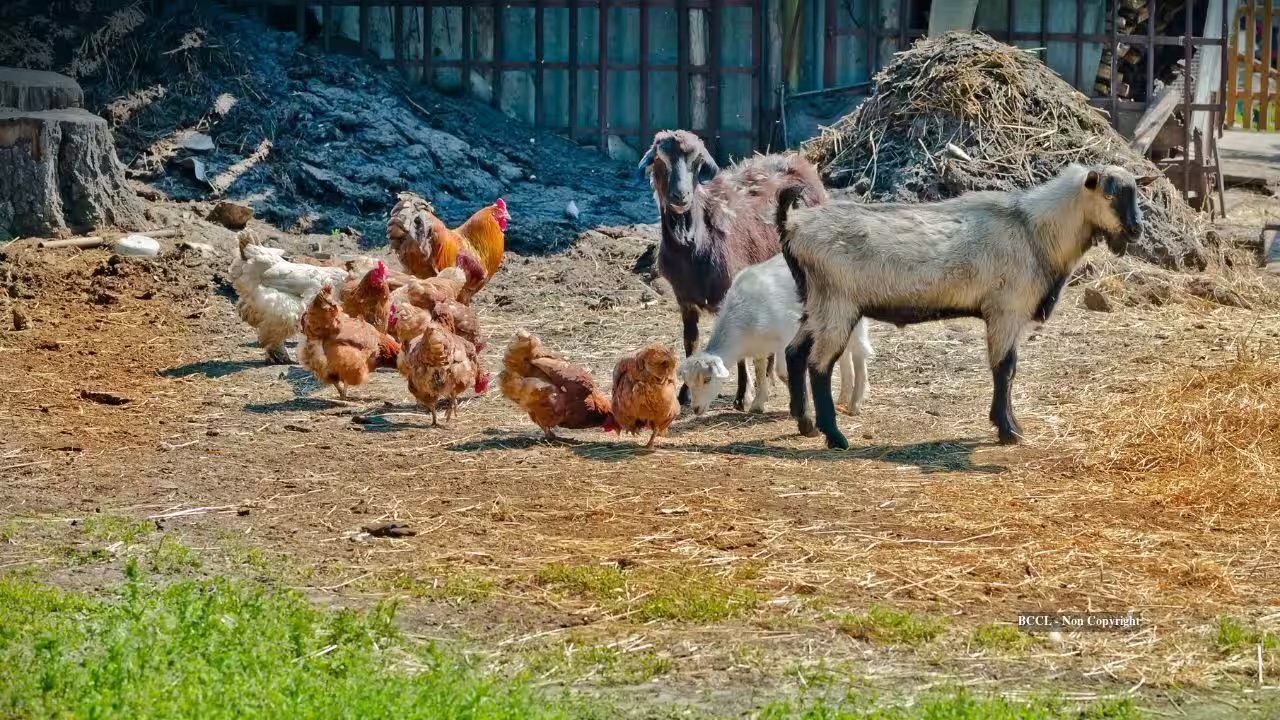
Bosco keeps emus, ostriches, goats, and roughly 30 chickens on the homestead. Her neighbors argued these activities clashed with the restrictions governing their residential development. They sought court-ordered access to gather evidence before a trial. Bosco fought back, calling the demand an unwarranted intrusion into her private property rights.
The court sided with Bosco, stating that a party cannot use discovery to gain access to private land without a proper legal basis. The judges clarified that alleging a violation does not automatically grant a neighbor the right to enter another person's land. They must meet specific legal standards before seeking such intrusive access.
This decision creates a clear boundary for rural and semi-rural landowners across Texas. It signals that inspection of private property is an exceptional remedy, not a routine tool for gathering leverage in neighborhood disputes. Neighbors must now pursue their claims through ordinary legal channels rather than demanding unrestricted physical access. The underlying dispute over whether the animals actually violate restrictions remains unresolved, but the path to resolution is now strictly procedural.