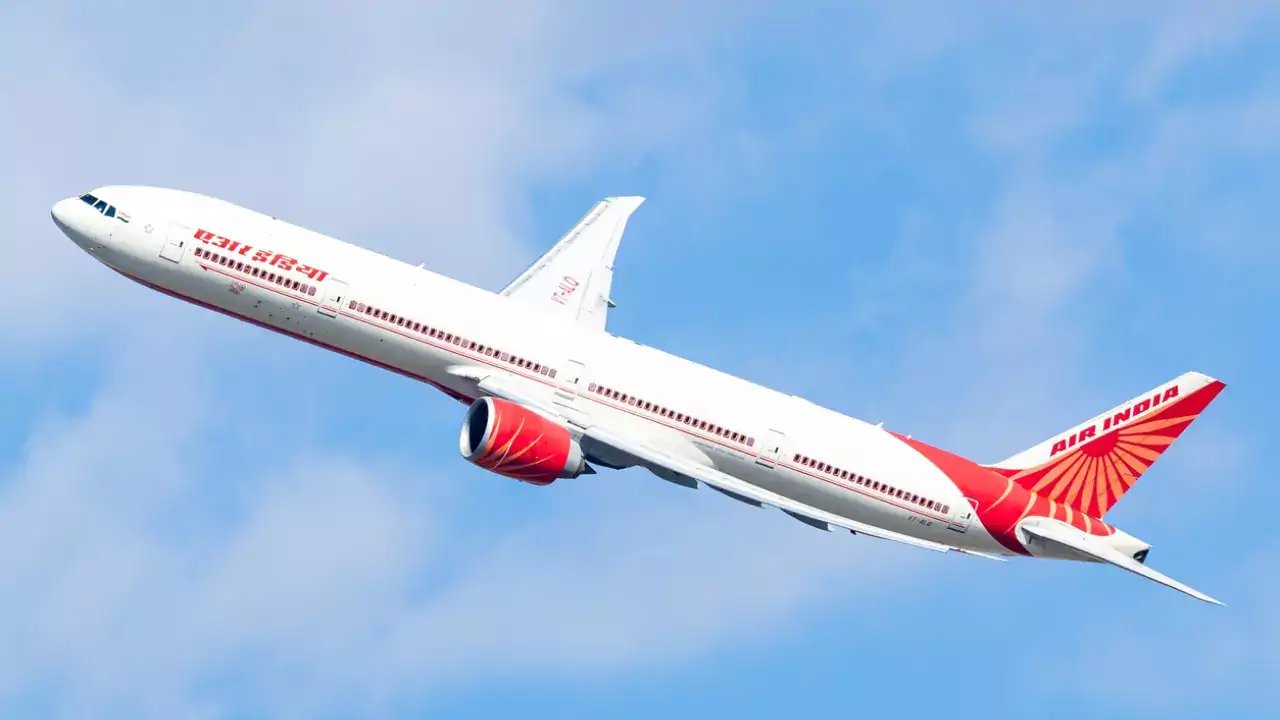
Air India Flight AI2243 departed Delhi at 2:40 pm on Thursday, only to return to the same airport after spending nearly two hours over the Arabian Sea. Flight‑tracking data confirms the aircraft logged roughly 1,200 kilometres before turning back, touching down at 6:45 pm.
The abrupt reversal came amid a surge of Houthi‑linked attacks on Saudi airports, which have unsettled airlines and ground transportation networks across the kingdom. Security officials disclosed that the attacks targeted logistical hubs, raising alarms about the safety of over‑land routes.
In response, Air India, Air India Express, IndiGo and Akasa Air all halted flights to and from Riyadh. The airlines announced immediate service suspensions, citing heightened security concerns that could affect passenger safety.
Passengers aboard AI2243 were whisked back to Delhi, where the airline coordinated with immigration and customs for expedited processing. The incident has added to the growing list of disruptions faced by travelers to the Middle East in the past month.
The Ministry of Civil Aviation has issued a travel advisory warning citizens against non‑essential travel to Saudi Arabia until further notice. Airlines are expected to resume operations once security conditions stabilize, with the next flight schedules to be confirmed shortly.
The return of AI2243 underscores the fragile nature of international aviation amid geopolitical tensions. The incident will likely prompt a review of contingency protocols for flights crossing volatile regions.
While the immediate impact on passengers is limited to a return to Delhi, the broader disruption affects cargo, tourism and diplomatic missions bound for Riyadh.
The case highlights the cascading effects of regional conflicts on global mobility and the necessity for airlines to maintain adaptive response plans.
tags: [