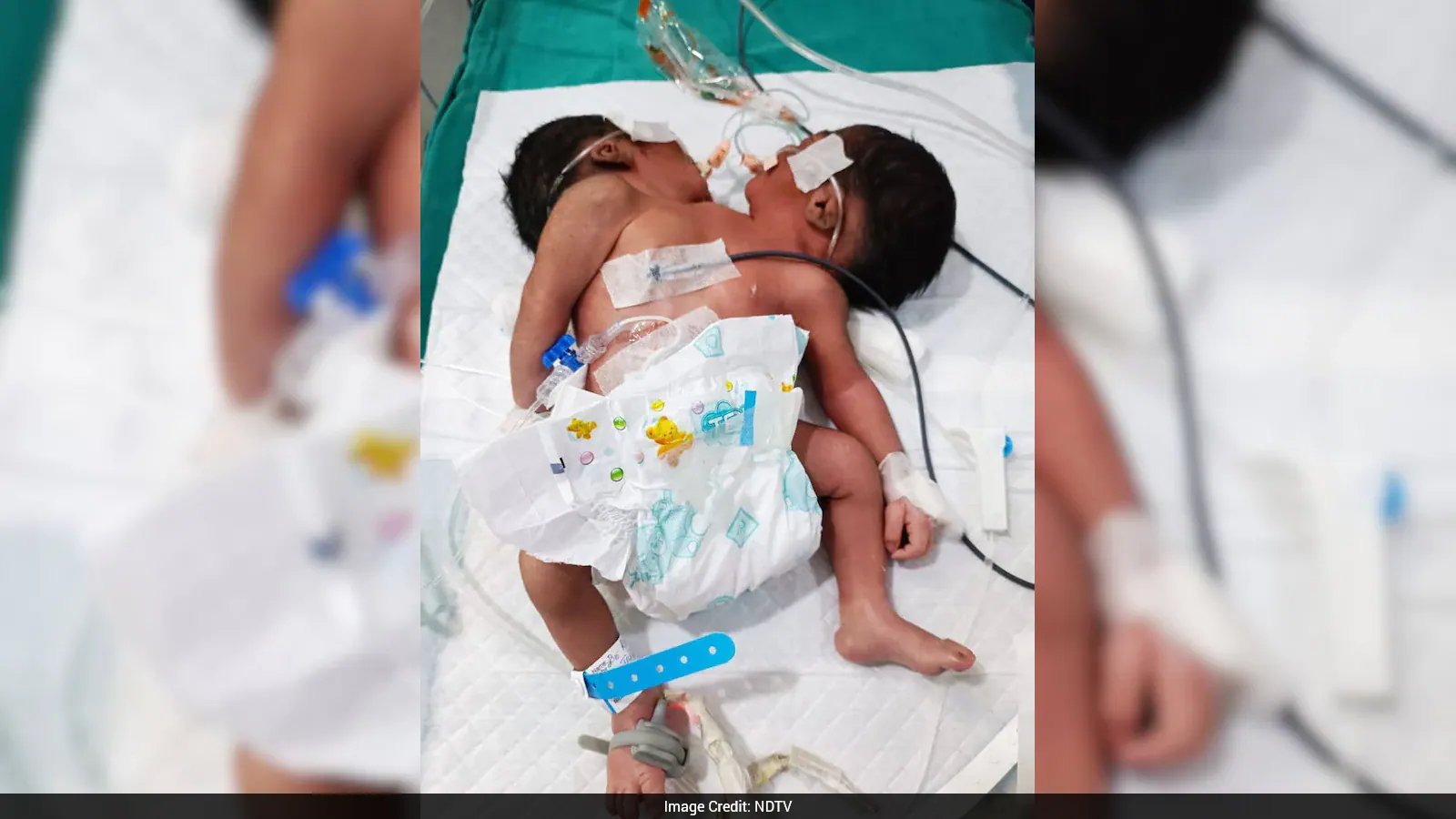
A baby was delivered in Kandhamal district, Odisha, with two heads – a condition named dicephalic parapagus – one of only about 300 per million births.
Dicephalic parapagus means the twins share a single body but have two heads and separate necks, while internal organs may be shared or distinct. The infant, born at 32 weeks via C‑section, was immediately admitted to a Special Newborn Care Unit where doctors are evaluating organ arrangement and potential complications.
This case illustrates how rare such anomalies are and why early prenatal scans matter. High‑resolution ultrasounds or fetal MRI performed after 20 weeks can reveal whether a fetus has separate hearts, brains or digestive systems, allowing parents and clinicians to plan for the best possible care.
Families facing a dicephalic diagnosis need multidisciplinary care and emotional support. In Odisha, the MKCG Medical College and Hospital’s specialist team is monitoring the infant, while counseling services are recommended for parents to navigate the complex medical and psychological challenges ahead.
What can readers do? If you’re pregnant or planning to be, ask your obstetrician about detailed ultrasounds and discuss any family history of congenital disorders. And if you encounter a rare birth, reach out to local hospitals for specialized care and connect with support groups for parents of conjoined twins.