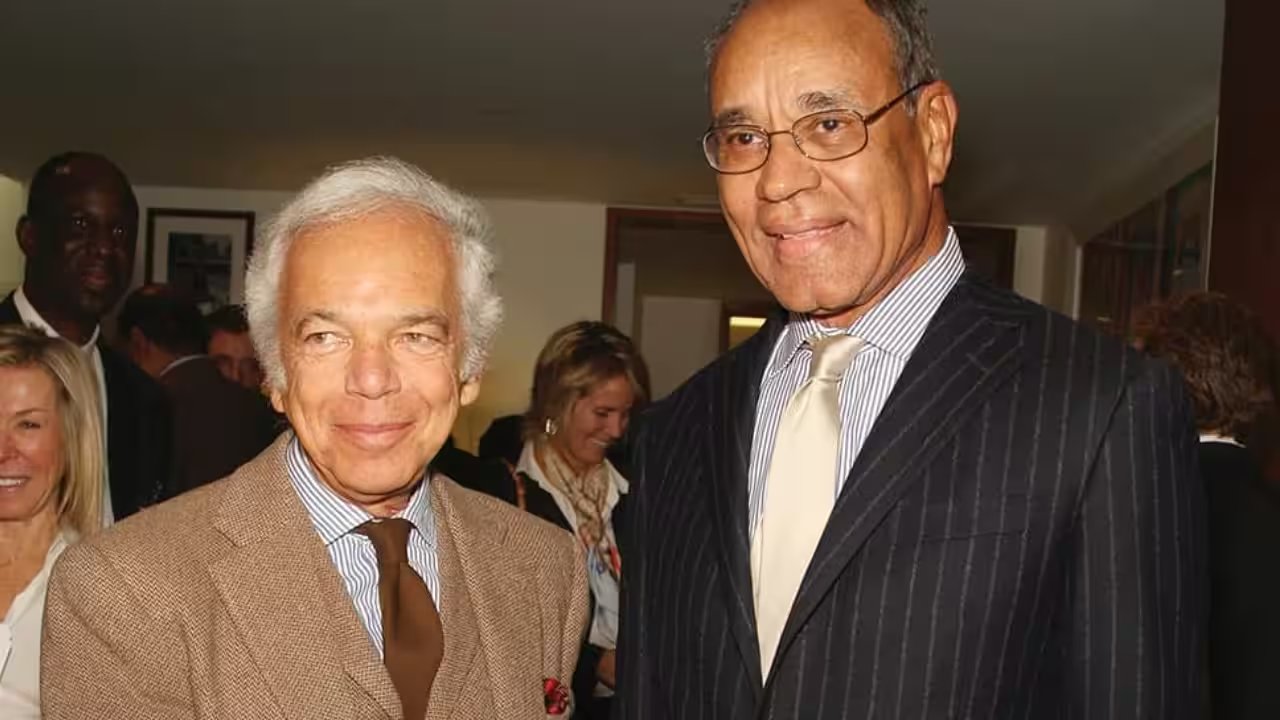
Ralph Lauren’s $5 million gift in 2010 wasn’t an isolated act of charity. It was the final piece of a puzzle started by Dr. Harold Freeman, a cancer surgeon who spent years watching women in Harlem arrive at hospitals with advanced breast cancer. Freeman had seen the same pattern repeat for decades: patients weren’t refusing care; they just couldn’t reach it. Insurance gaps, lack of transportation, and childcare responsibilities created a maze that many simply couldn’t navigate alone. When Freeman explained these systemic failures to Lauren, the fashion designer didn’t offer a vague pledge. He stood up, shook Freeman’s hand, and said, “I will help you.”
The result was the Ralph Lauren Center for Cancer Care and Prevention, which opened in 2003 with Freeman as its first medical director. But the real innovation wasn’t the building; it was the “patient navigation” model Freeman developed. Navigators act as personal guides through the healthcare system, handling the logistical nightmares that cause patients to drop out of treatment. They arrange transport, bridge language barriers, and help schedule appointments. This approach built on Freeman’s earlier work at the Breast Examination Center of Harlem, which had already served over 125,000 women in two decades.
The center’s design reflects an understanding that trust is a medical necessity. Signs are posted in both English and Spanish, and staff are multilingual. This isn’t just about comfort; it’s about ensuring that a resident who doesn’t speak English fluently doesn’t miss a critical diagnosis. The facility offers screenings for breast, prostate, cervical, skin, and lung cancers, alongside nutrition counseling and community health fairs. By making the environment welcoming, the center lowers the psychological barrier to seeking help in a community that has historically felt ignored by major medical institutions.
The landscape shifted in 2010 when North General Hospital closed, leaving Memorial Sloan Kettering Cancer Center (MSK) as the sole institutional partner. Lauren’s foundation continued its support, and in 2019, the center officially became an ambulatory care center of MSK. This integration allowed the program to extend its reach through a Mobile Health Unit, bringing screenings and education to other New York City neighborhoods where access remains limited. The model proved that targeted, community-embedded care works better than waiting for patients to come to massive, impersonal hospital complexes.
Nearly two decades after the initial donation, the Ralph Lauren Corporate Foundation pledged another $25 million in 2022. This new commitment supports the existing Harlem center and funds the establishment of four additional centers across the United States. The goal is to replicate the navigation model in other underserved areas. For patients, this means a tangible path to early detection and treatment. If you live in an area with limited healthcare access, look for community health programs that offer patient navigation. These services can be the difference between a manageable diagnosis and a late-stage emergency. Consult your local health department to see if similar navigation programs are available in your region.