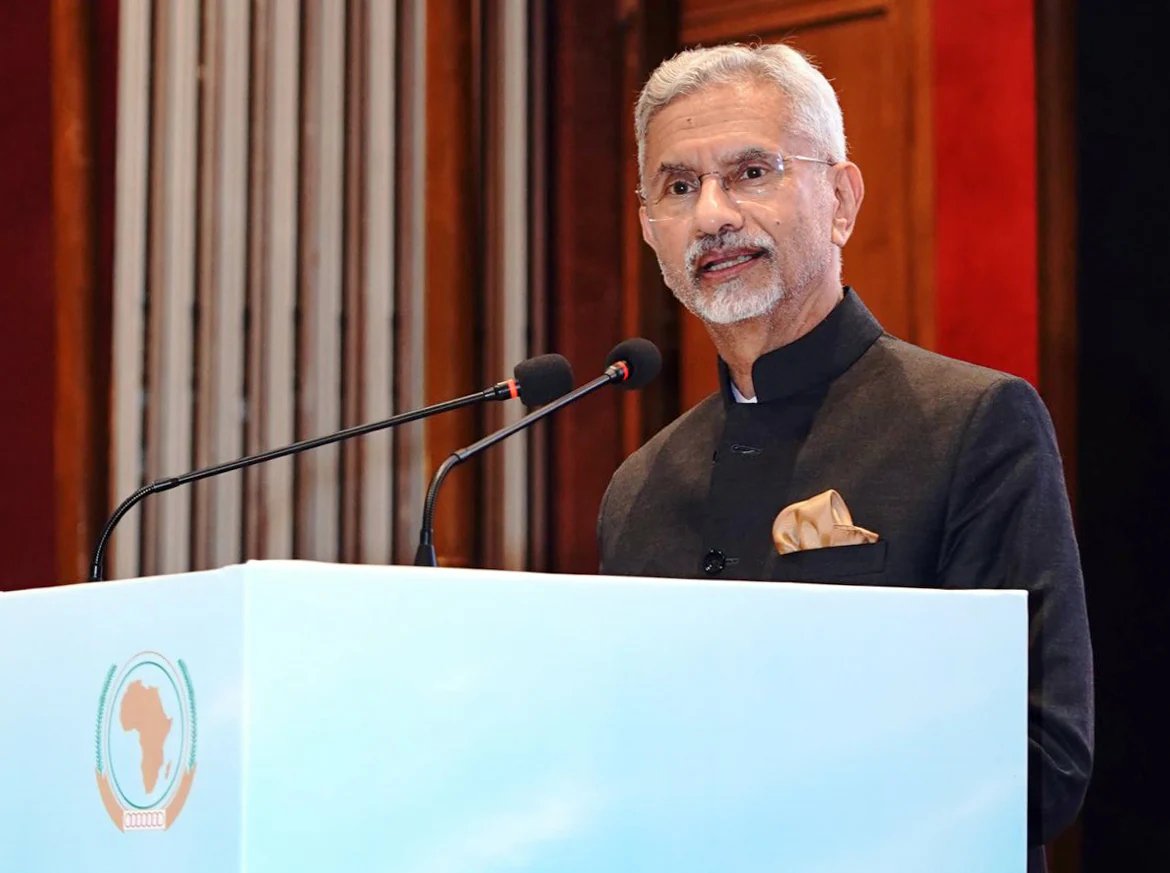
S Jaishankar stood before the 81st UNGA, his voice sharp, as he denounced the latest wave of attacks on commercial shipping in the Gulf. He said the loss of an Indian seafarer on the MV Cape Dao—an Antigua‑and‑Barbuda‑flagged bulk carrier—was a stark reminder that maritime security has become a battlefield. The sailor’s death, the first Indian casualty in this conflict, underscored a growing pattern of violence that threatens global trade routes.
On the eve of his speech, Jaishankar and Liberia’s Foreign Minister Sara Beysolow Nyanti unveiled the Group of Friends on Safety and Security of Shipping and Seafarers. The coalition now counts 24 partners from 23 countries, pledging to press international law and galvanise public opinion against the targeting of crews. “We must ensure that the safety of shipping is never compromised,” he asserted.
The Group’s launch follows a string of incidents: the Panama‑flagged tanker El Gaia was struck in the Strait of Hormuz, leaving an Indian crew member missing, and the Gulf of Oman saw the MV Cape Dao explode, killing a sailor. “These attacks are not only a humanitarian tragedy; they are a threat to the economic lifelines of the Global South,” Jaishankar warned.
Jaishankar framed the Gulf skirmishes as part of a broader trend of “weaponisation of everything,” arguing that it erodes trust, disrupts supply chains, and places developing nations at a disadvantage. He called on all parties to exercise restraint, de‑escalate tensions, and safeguard energy and commerce flows. India said it would continue to support diplomatic efforts to end the conflict and protect maritime commerce.