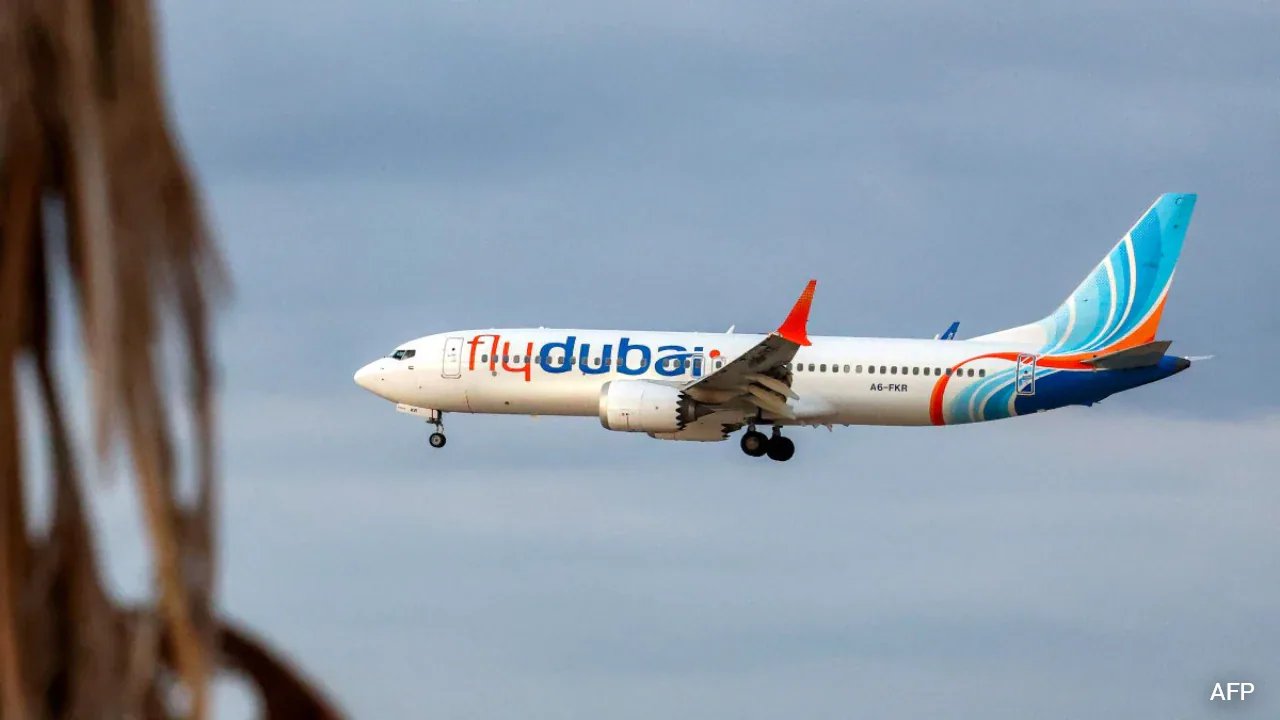
Pilot conflict tore the cockpit open as the 737‑Max 8 spiraled toward the desert, with FlightRadar24 logging a descent rate that would have crushed even seasoned pilots—32,000 feet per minute, a speed that eclipses the aircraft’s certified limits.
Passengers surged forward, and off‑duty crew members, led by Captain Smit Machchhar, wrestled the cockpit door to the ground. He later told Prime Minister Narendra Modi that he had to “unlock the door from inside” in order to call for help, a move that bought precious seconds.
The plane’s rudder, a vital control surface, was ripped away during the chaos, a failure that could have sent the jet spiraling into a catastrophic spin. Bob Stoney, a former FAA test pilot who oversaw Boeing’s return to service after the 737‑Max mishaps, explained that certification requires pilots to handle a jammed rudder but not a missing one—yet the pilots’ quick adaptation mirrored the required procedure.
Boeing’s design, tested beyond 630 mph, had pushed the jet to 690 mph in the dive, near sonic speed for that altitude. The redundant systems and the crew’s swift intervention kept the aircraft controllable, allowing the plane to touch down on a runway in Tabuk without further loss of control.
Investigators, led by the Saudi Aviation Authority, are combing through cockpit recordings and flight‑data recorders to pinpoint how an altercation between co‑pilot and captain escalated into a near‑loss of the aircraft. The inquiry will also examine whether the rudder’s loss was a result of pilot misconduct or a mechanical failure.
The incident is already etched in the memory of a passenger from Jeddah who, after the plane’s first violent roll, pulled the co‑pilot away from the captain’s side, a gesture that may have saved dozens of lives. The story underscores the fragility of modern aviation and the razor‑thin margin between catastrophe and survival.