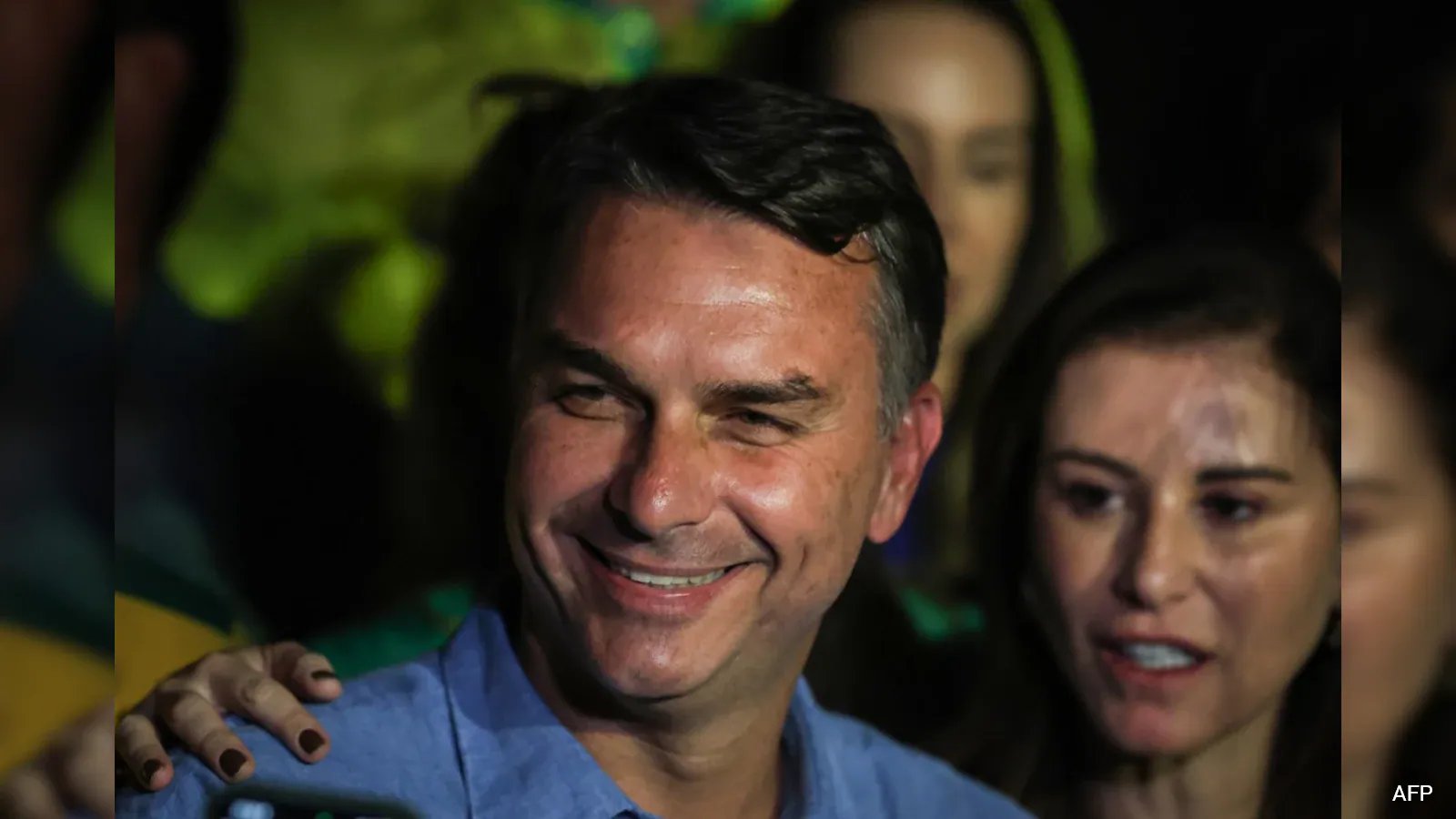
Flavio Bolsonaro racked up 56 million votes in the first round, eclipsing Lula’s 53 million. The tally left Bolsonaro ahead by a razor‑thin margin, overturning pre‑election polls that saw Lula in the lead. Both candidates fell short of the 50 percent threshold needed to avoid a runoff. The country will therefore head to a second ballot on October 25.
Lula, now 81, returned to the presidency in 2022 after a two‑year stint behind bars for corruption allegations that were later dismissed. He has already overseen a drop in inflation and a record‑low unemployment rate. Yet voters are weary of rising living costs and crime, prompting doubts about a fourth term.
The Bolsonaro name carries weight across Brazil’s right‑wing base, despite Jair Bolsonaro’s 2022 defeat and conviction for attempting a coup. Flavio, a relatively unknown senator a few months ago, leveraged the family’s brand to secure the win. The result also secured seats for Jair’s sons in the Senate, consolidating the family’s political clout.
Oscarina de Oliveira, a 62‑year‑old caregiver from São Paulo, admitted she had intended to vote for Lula but switched to Bolsonaro on the day. “I wanted to see if anything changes,” she said, reflecting a broader sense of fatigue with familiar options. Another voter, 36‑year‑old tech worker João Batista from Rocinha, voiced frustration over the cost of basic goods. “The left just doesn’t work anymore,” he said, underscoring the economic grievances driving the shift.
Donald Trump has been monitoring the race closely, though he has not endorsed either candidate. Brazil’s foreign ministry will brief Washington on the election outcome ahead of the October runoff.