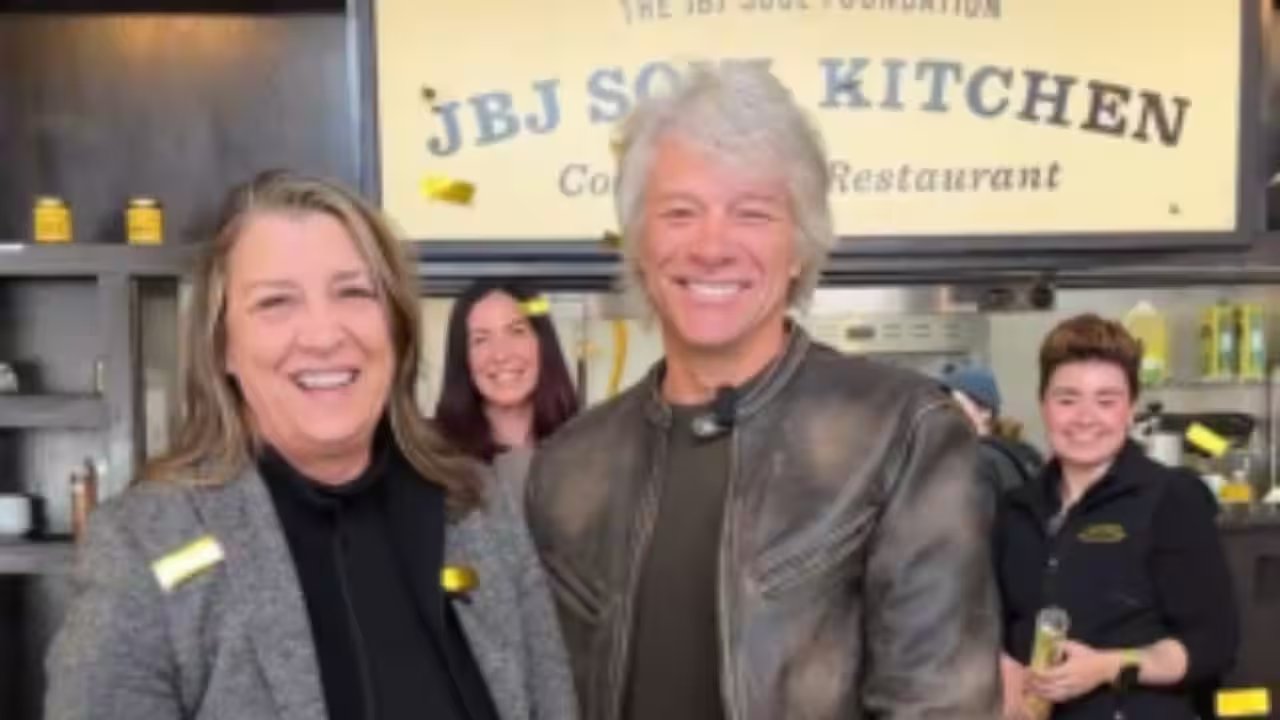
The numbers are stark. According to the Jon Bon Jovi Soul Foundation, over 80% of meals served at the Toms River, New Jersey, location during the first half of 2026 went to people experiencing food insecurity. It’s not a food bank line. It’s a restaurant. But the economics operate on a different set of rules, one that prioritizes dignity over transactions.
How does it work? There are no fixed prices on the menu. If you can afford to pay, you’re asked to make a suggested donation that covers the cost of someone else’s meal. If you can’t pay? You still eat. The organization clarifies that this isn't just a "pay-what-you-want" setup; it’s a structured community effort. Volunteering, rather than cash, is the currency for those who cannot afford a meal, keeping the environment equal and respectful.
But food is just the entry point. A May 2026 feature by the James Beard Foundation highlighted that JBJ Soul Kitchen uses the dinner table as a bridge to deeper support. Founder Dorothea Bongiovi explained that the safe environment encourages guests to open up about their struggles. Staff and community coordinators then connect them with partners in Monmouth and Ocean counties for housing assistance, addiction treatment, mental health support, and job training.
The scale of this impact is visible in the temporary pop-up at the Ocean County Library, which ran from February 2025 to April 2026. That single site served more than 15,870 meals, with 79% going to guests in need. The results went beyond calories: 13 guests found housing, nine got jobs, and over 1,350 hygiene kits were distributed. More than 1,000 volunteers contributed nearly 4,000 hours to make that happen.
While the library pop-up has closed, the permanent restaurant on Hooper Avenue remains open. For those interested in similar community-driven food solutions, this model shows that addressing hunger effectively requires pairing nutrition with social services, not just handing out sandwiches.