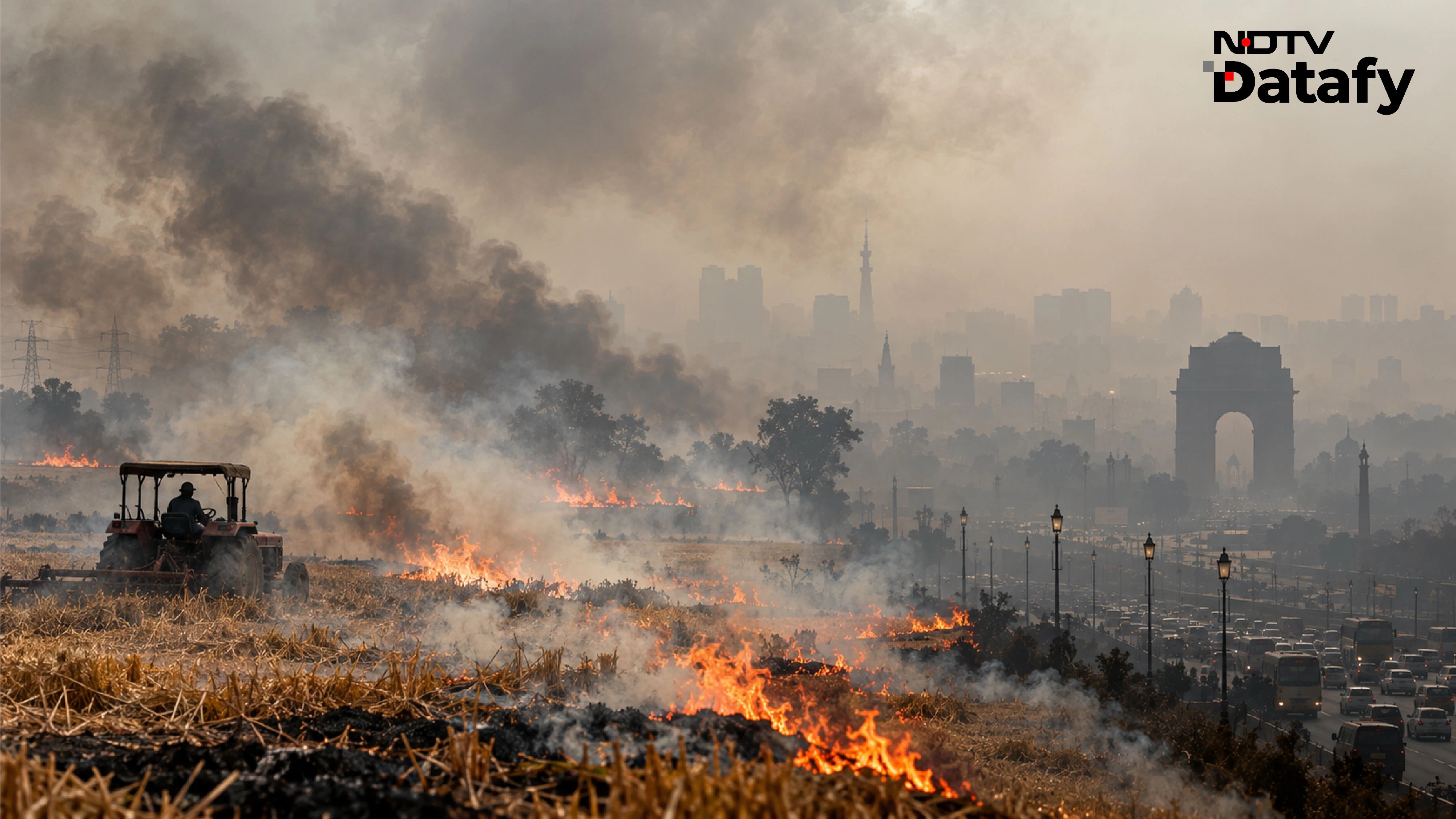
The latest Decision Support System data show that stubble burning — the practice of burning crop residue after harvest — added 10.94 per cent to Delhi’s PM2.5 concentration on 26 October 2026, a figure that rivals the 20.8 per cent from vehicle exhaust.
The fine‑particle aerosol, or PM2.5, can drill deep into the lungs, triggering inflammation, reduced lung function, and in chronic cases, heart disease. When it settles in the air, it clogs tiny airways, forcing the body to work harder to keep oxygen levels steady.
Delhi’s air quality is a patchwork: while the city’s own industrial and transport emissions account for 20.8 per cent of PM2.5, regional haze from the National Capital Region brings in 37 per cent, and stubble burning from northern states adds an extra 10.9 per cent. The fire hotspots, as mapped by satellite, sit mainly in Punjab (581 incidents), followed by Madhya Pradesh, Rajasthan, Uttar Pradesh, and Uttarakhand.
What can you do? First, check the real‑time AQI on your phone before heading out; when the index climbs above 200, stay indoors. Second, if you must go outside, wear a certified N95 mask that blocks fine particles. Third, keep indoor air fresh with HEPA filters or open windows during low‑pollution hours (early morning and late evening). And remember to drink plenty of water and rest if you feel shortness of breath or persistent cough.
Finally, talk to your doctor if you have asthma, COPD, or other lung conditions; they can adjust medication or suggest breathing exercises that reduce strain. On a larger scale, supporting policies that ban open stubble burning and promote residue composting can cut PM2.5 levels across the region. Staying informed and taking simple protective steps can make a tangible difference in your daily breathing health.