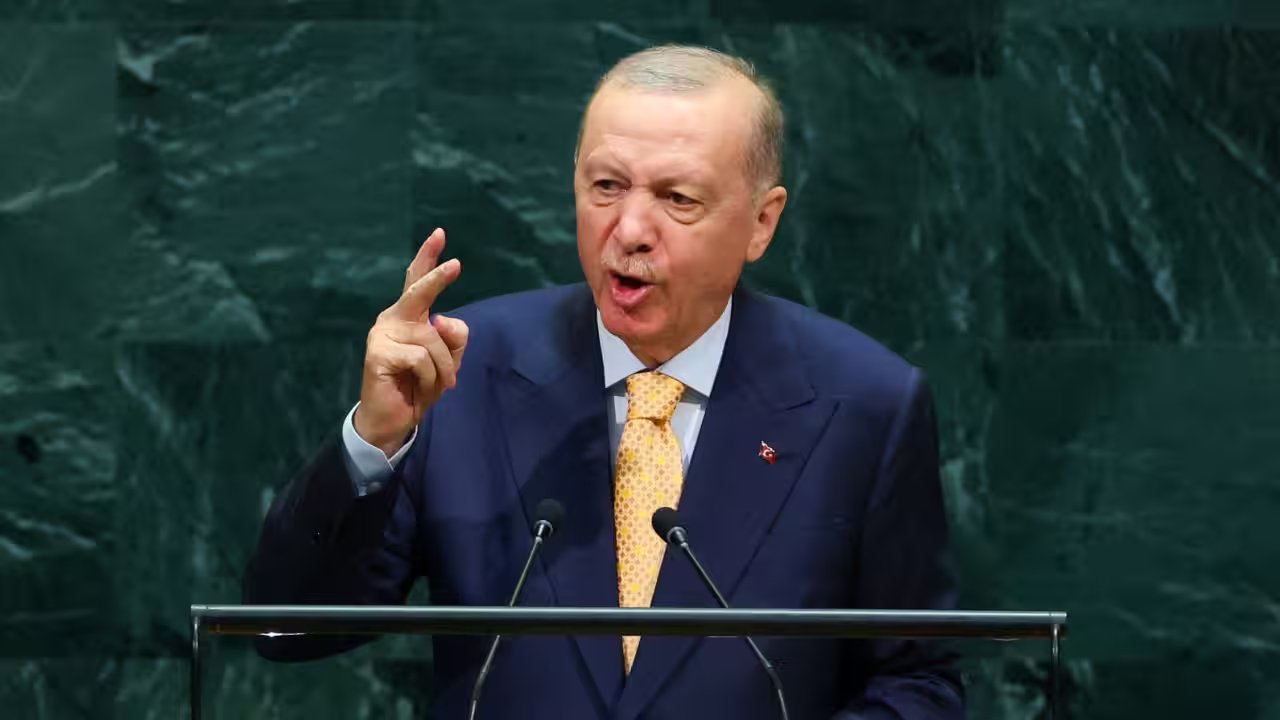
Erdogan said disputes in South Asia, including Kashmir, must be settled through dialogue within the UN Charter and relevant resolutions, stressing Turkey’s commitment to multilateral advocacy. He warned that unilateral actions would destabilise the region.
Turkey has long raised Kashmir at the UN, the World Economic Forum and other global fora, positioning itself as a voice for Muslim-majority nations. In August 2024, Erdogan’s administration signed the Mecca Pact with Saudi Arabia and Pakistan, creating a Nato‑style military alliance that could influence the Kashmir equation.
India has consistently rejected any third‑party mediation, insisting that Kashmir is an integral part of its territory. The government warned that external interference would violate its sovereignty and that it will only engage with Pakistan on bilateral grounds following the 2023 Pahalgam attack.
Pakistan continues to occupy parts of Jammu and Kashmir, a fact that India deems illegal under international law. Turkey’s appeal is likely to echo across Muslim‑majority states, potentially prompting debate at the UN Human Rights Council.
The UNGA session will convene a vote on a resolution that could call for a renewed dialogue framework; the outcome will be announced at the closing of the assembly on 30 September.