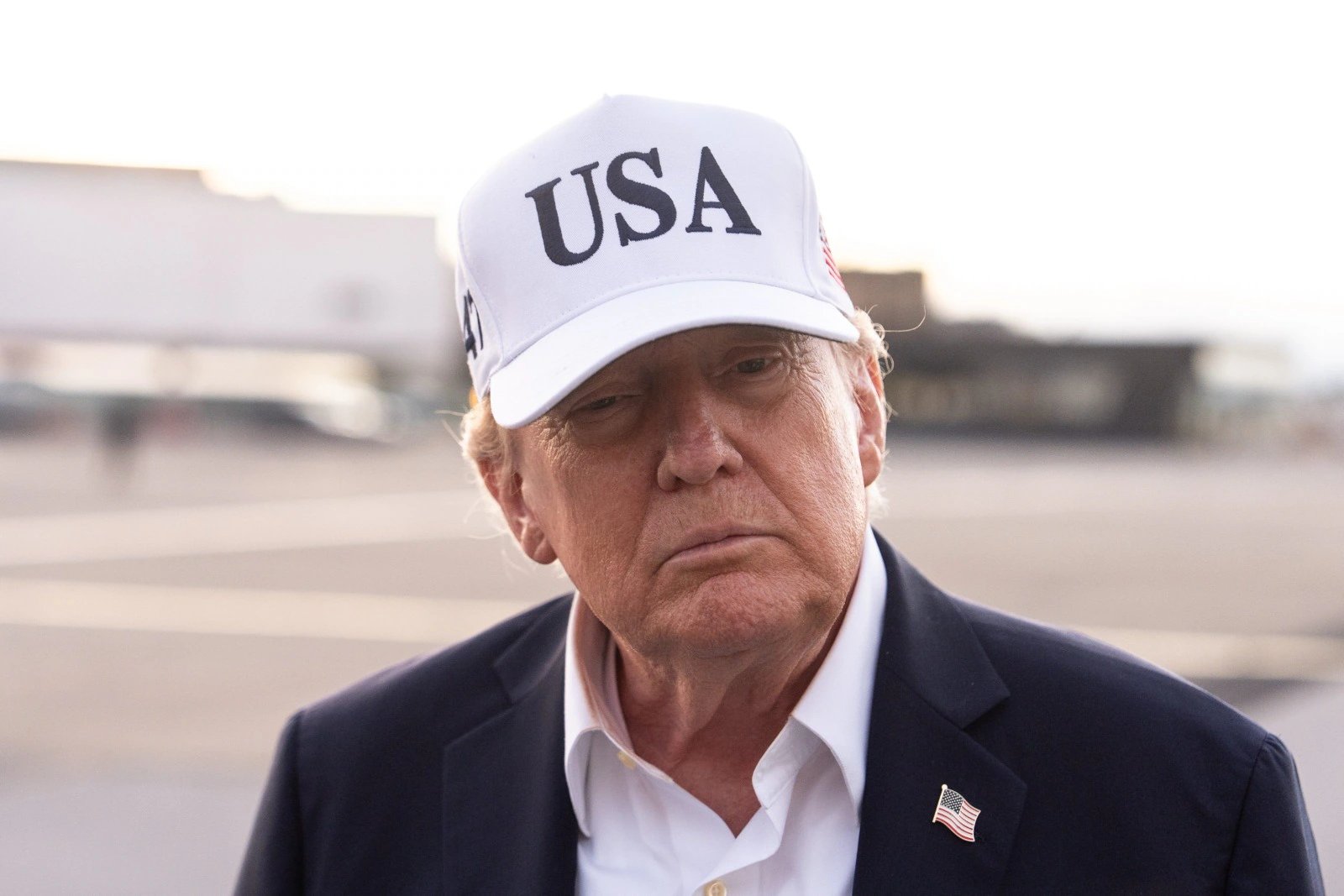
On Saturday, Houthi drones and missiles slammed Riyadh's King Khalid International Airport, killing 16, including a U.S. citizen, and wounding about 300. President Trump said he would consider joining Saudi‑backed airstrikes in response.
Washington has supplied Riyadh with intelligence, targeting data and aerial refueling, but has stopped short of direct combat operations. The administration now faces a decision to either deepen that role or keep it at a support level.
The decision comes amid Trump’s mid‑term campaign, where rising fuel costs weigh on voters. Houthi strikes on Saudi oil facilities and shipping in the Bab el‑Mandeb Strait threaten to push global energy prices higher.
Saudi officials have pressed Washington for more air‑defense interceptors, while Turkey and Pakistan have said they will only offer defensive aid. The Houthis have continued to target Saudi vessels, complicating any negotiated settlement.
The White House will convene a senior security briefing next Tuesday to decide whether U.S. forces will be deployed for strikes or remain in a purely advisory role. Meanwhile, the U.S. Embassy has urged citizens to avoid King Khalid Airport.