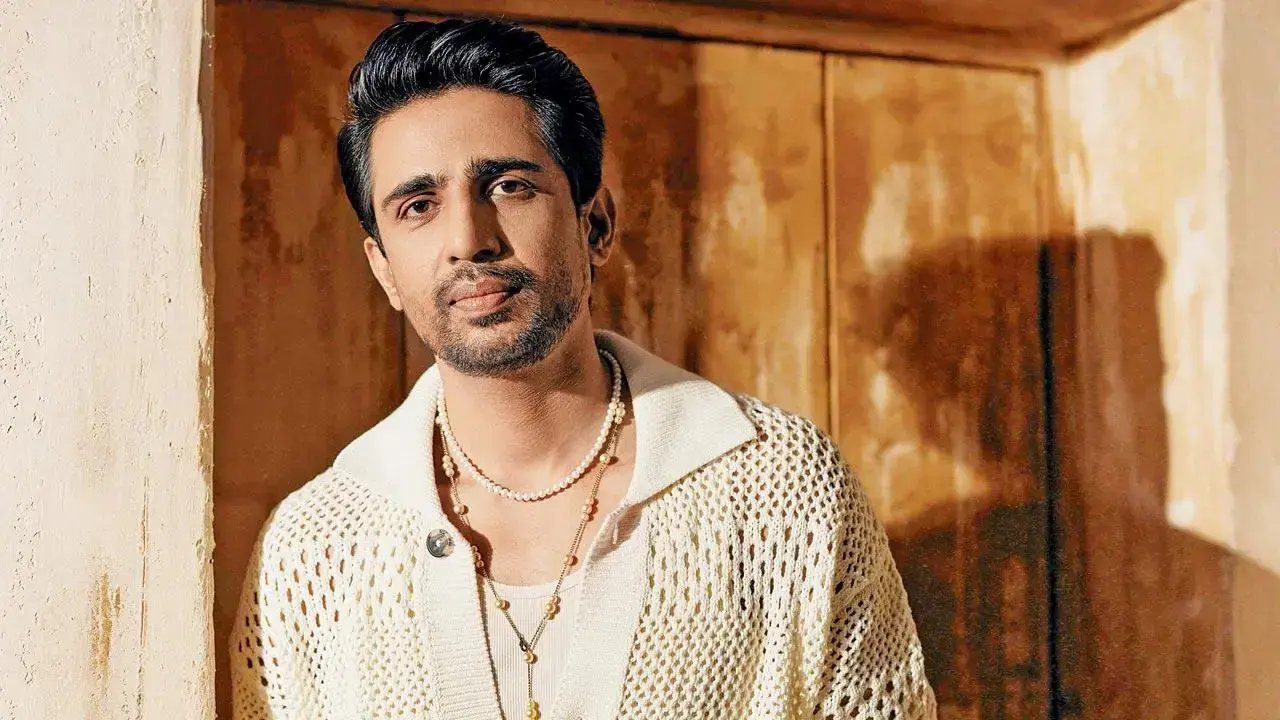
Bollywood’s love‑hate relationship with violence is getting a reality check. Gulshan Devaiah, who’s carving a niche in both indie and commercial circles, sat down with Hindustan Times and said the hype around hyper‑masculine action is, in fact, a mirage. He reckoned that this trend is nothing new—just a modern echo of the 70s and 80s swagger.
Take the era when Amitabh Bachchan’s thunderclap persona rattled the masses while Amol Palekar’s everyman charm won the middle‑class vote. Both stars rode the same wave, proving that a film can be a hit even if its hero doesn’t scream for justice. The cinema of that time taught us that diversity isn’t a dead‑end; it’s the lifeline.
Devaiah pointed out that box‑office crowns aren’t the only trophies. A film that earns ₹500 crore and a film that pulls in ₹100 crore can both be gold if the return on investment is solid. In a market that’s increasingly data‑driven, ROI tells a more honest story than a headline‑grabbing headline.
While he’s dissecting trends, Devaiah’s own kid‑centric drama ‘Little Thomas’ is on the horizon. The film follows a curious boy who yearns for a younger brother, and it’s headed to screens on October 23. Co‑stars Rasika Dugal and Hridansh Parekh promise a fresh dynamic that could resonate with families across the country.
Devaiah also shared a cautionary tale from the box office: the indie hit ‘12th Fail’ became Vidhu Vinod Chopra’s most lucrative film after 35 years. He added that predicting a film’s fate is a gamble, citing the small‑budget ‘Hanuman Ansh’ that only found its footing once it started raking in money. Audience response, he says, is the ultimate plot twist.
So, Bollywood’s violence myth is fiction, and the market still rewards stories that speak to real audiences. The next step? Watch ‘Little Thomas’ hit theatres on the 23rd and see if the dream of a younger brother lands on the silver screen.