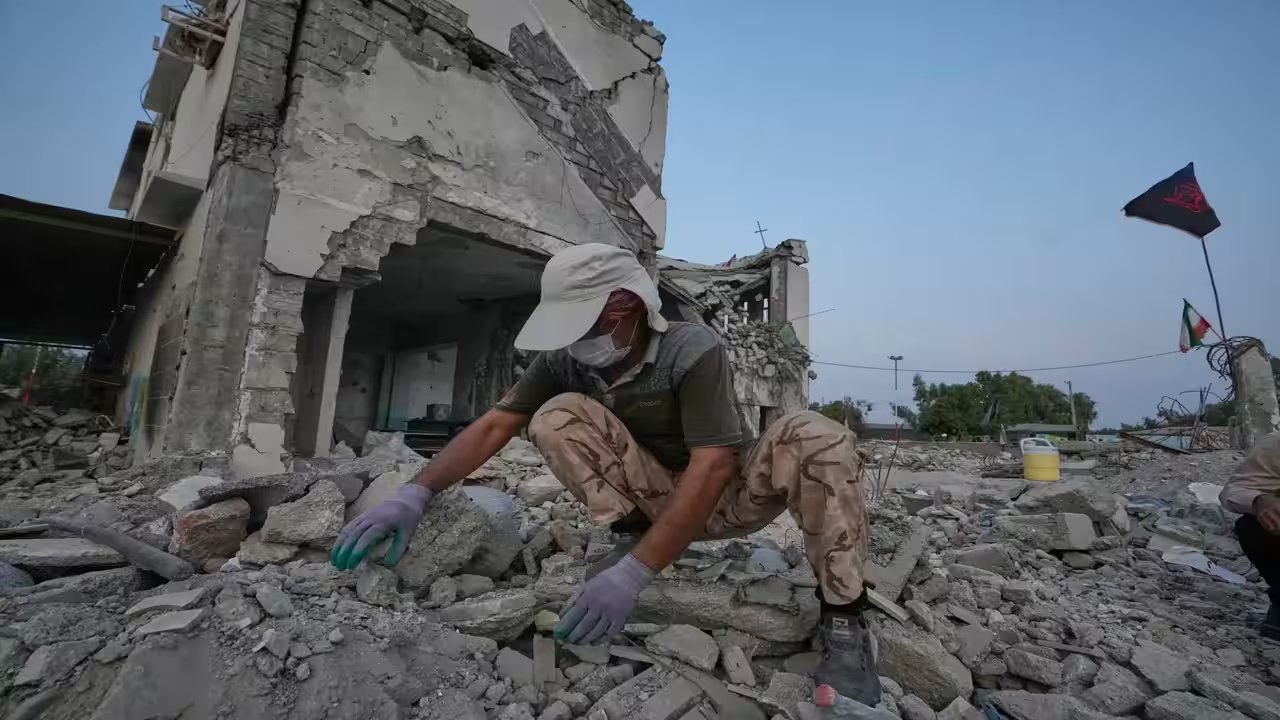
The U.S. military’s strike on a school in Minab, Iran, on Feb. 28, which killed more than 150 people, has triggered a probe that blames a rushed targeting cycle and outdated imagery. The attack, part of a broader campaign that hit over 1,000 Iranian sites in 24 hours, was approved after only minutes of assessment, a pace that left little room for error.
Investigators say the Minab compound, once listed as an IRGC facility, had been converted into a school years earlier, yet the intelligence database had not been updated. Satellite images from 2019 flagged the change, but the data fed to Army planners remained stale, and no civilian‑harm review team examined the site before launch.
The AI‑enabled Maven system, built by Palantir, stitched together data from more than 150 sources to flag potential targets. While Palantir denies fault, the probe notes that operators expected the software to spot inconsistencies—an expectation that proved misplaced. Central Command’s civilian‑harm review unit shrank from ten to one, leaving the Minab site unreviewed.
The Pentagon has not accepted responsibility and has said the incident is still under investigation. A full report is expected next month, and the U.N. fact‑finding mission has called for a review of U.S. targeting procedures. Central Command has added new data feeds and upgraded Maven to flag intelligence gaps, a change that will be detailed in the forthcoming findings.