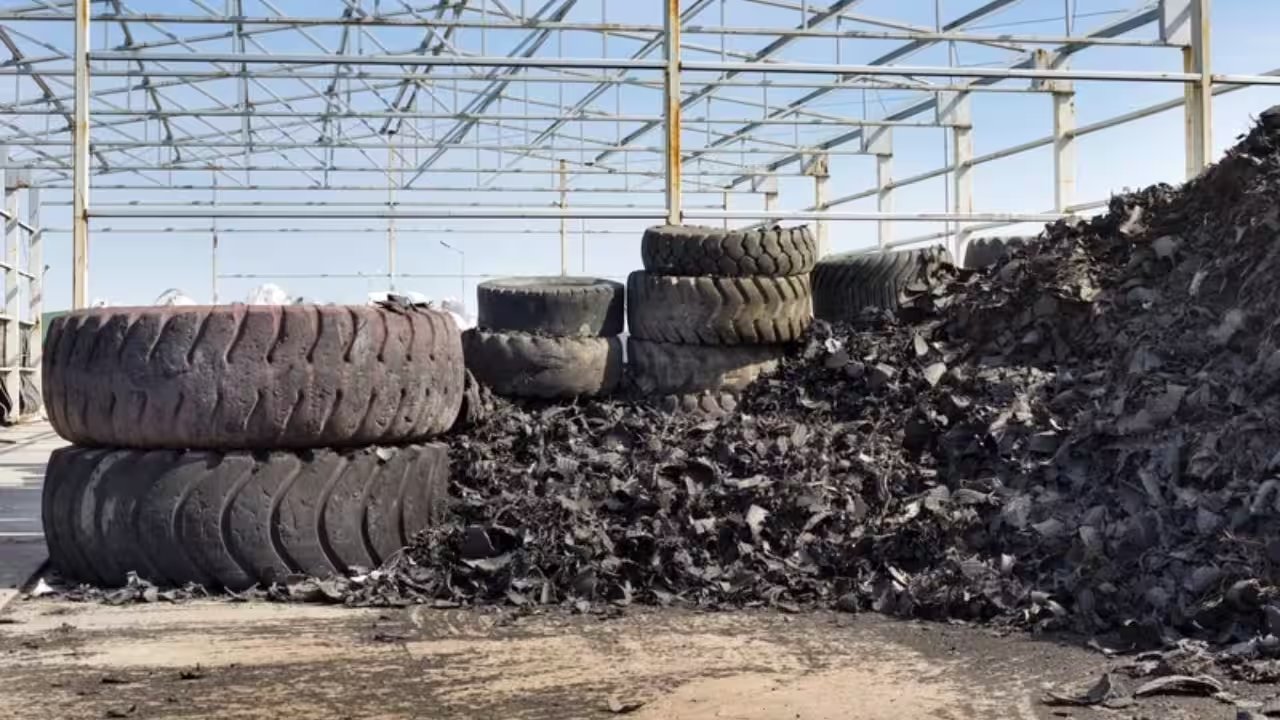
California DOT used 6,627 tons of shredded tires to fill the 26‑foot‑high I‑880 on‑ramp at Dixon Landing Road in Milpitas in 2000. The decision followed a 1999 feasibility study that warned traditional earth fill would impose a 3,750‑lb‑per‑sq‑ft load on the bay mud foundation, risking years of settlement.
Bay mud under San Francisco Bay is a 30‑foot layer of water‑logged sediment that can sink under heavy loads. Engineers replaced standard fill with tire‑derived aggregate that weighs one‑third as much as normal soil, cutting the load to 2,250‑lb‑per‑sq‑ft – a 40% reduction. CalRecycle director John Smith said the reduction "kept the project on schedule and avoided a year‑long settlement period."
The project also tackled California’s scrap‑tire crisis, diverting 6,627 tons from uncontrolled piles that risked fire and groundwater contamination. CalRecycle chief Maria Lopez noted the move aligned with the state’s 1998 waste‑management goals. The shredded tires were layered in two 10‑foot sections, separated by a 3‑foot low‑permeability soil layer and wrapped in geotextile to prevent soil intrusion.
The on‑ramp has operated without repairs for 22 years, proving the longevity of the tire‑fill method. CalRecycle will evaluate the technique’s applicability to other high‑load projects in 2027, with plans to test the approach on a new 2028 West Bay interchange.
Milpitas residents, who rely on the I‑880 corridor, have not reported any road cracking or maintenance issues since the ramp opened, underscoring the project’s success.