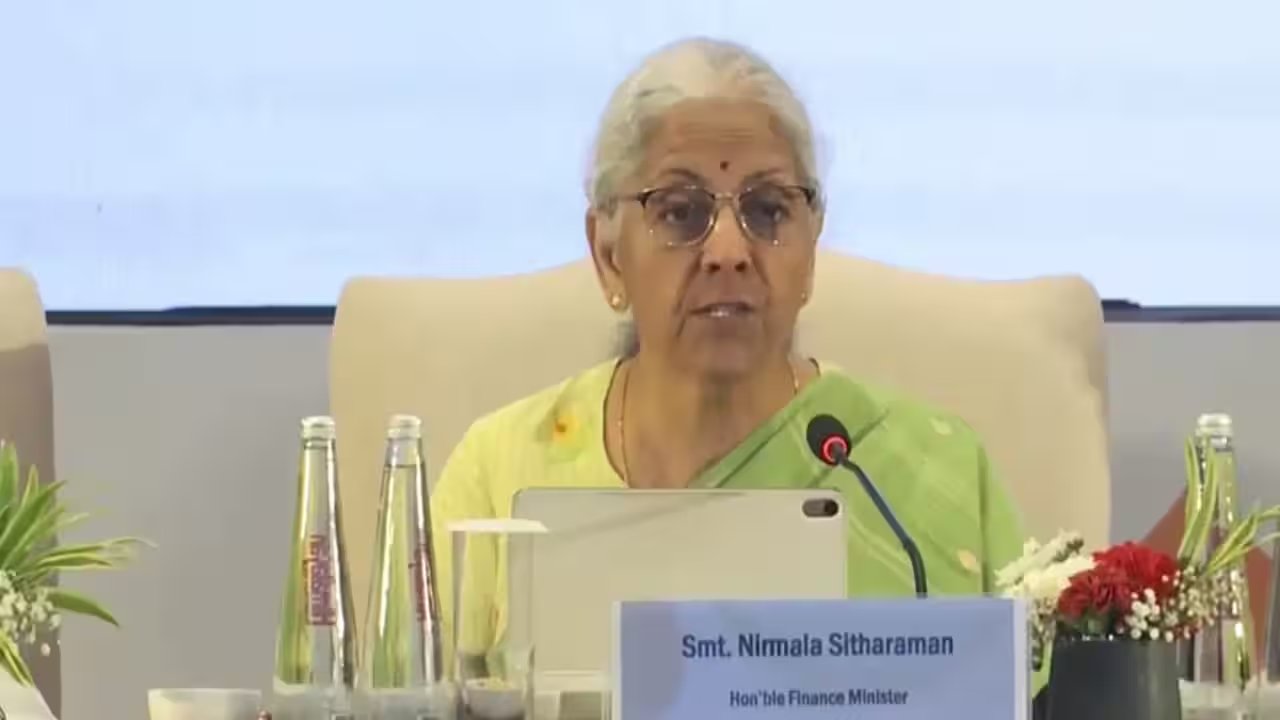
Finance Minister Nirmala Sitharaman urged BRICS tax heads in New Delhi on Wednesday to share lessons on treaty interpretation and multilateral negotiations, warning that transfer‑pricing disputes over‑burden developing countries. The call came amid a broader push to tighten cross‑border tax rules.
Transfer pricing, the practice of setting prices for goods and services across borders within a multinational, often leads to disputes that shift profits to low‑tax jurisdictions. Such disputes have disproportionately impacted developing economies, where domestic tax bases are already fragile. Sitharaman highlighted that these challenges exacerbate the fiscal gap in emerging markets.
To address these gaps, she unveiled plans to establish two working groups—International Taxation and Transfer Pricing, and Revenue Statistics—tasked with codifying best practices and standardising data collection. The groups would operate under the BRICS council’s umbrella, drawing on member states’ varied experiences.
She noted that the UN Framework Convention on International Tax Cooperation is in active negotiation, and the outcomes of these talks will shape cross‑border taxation for a generation. BRICS economies, as source jurisdictions with significant domestic tax capacity built on a low base, argue that their perspectives are essential to ensuring fairness and durability of the new rules.
The proposals will be debated in the minutes of the current BRICS tax authorities meeting and could set a precedent for future international tax frameworks.