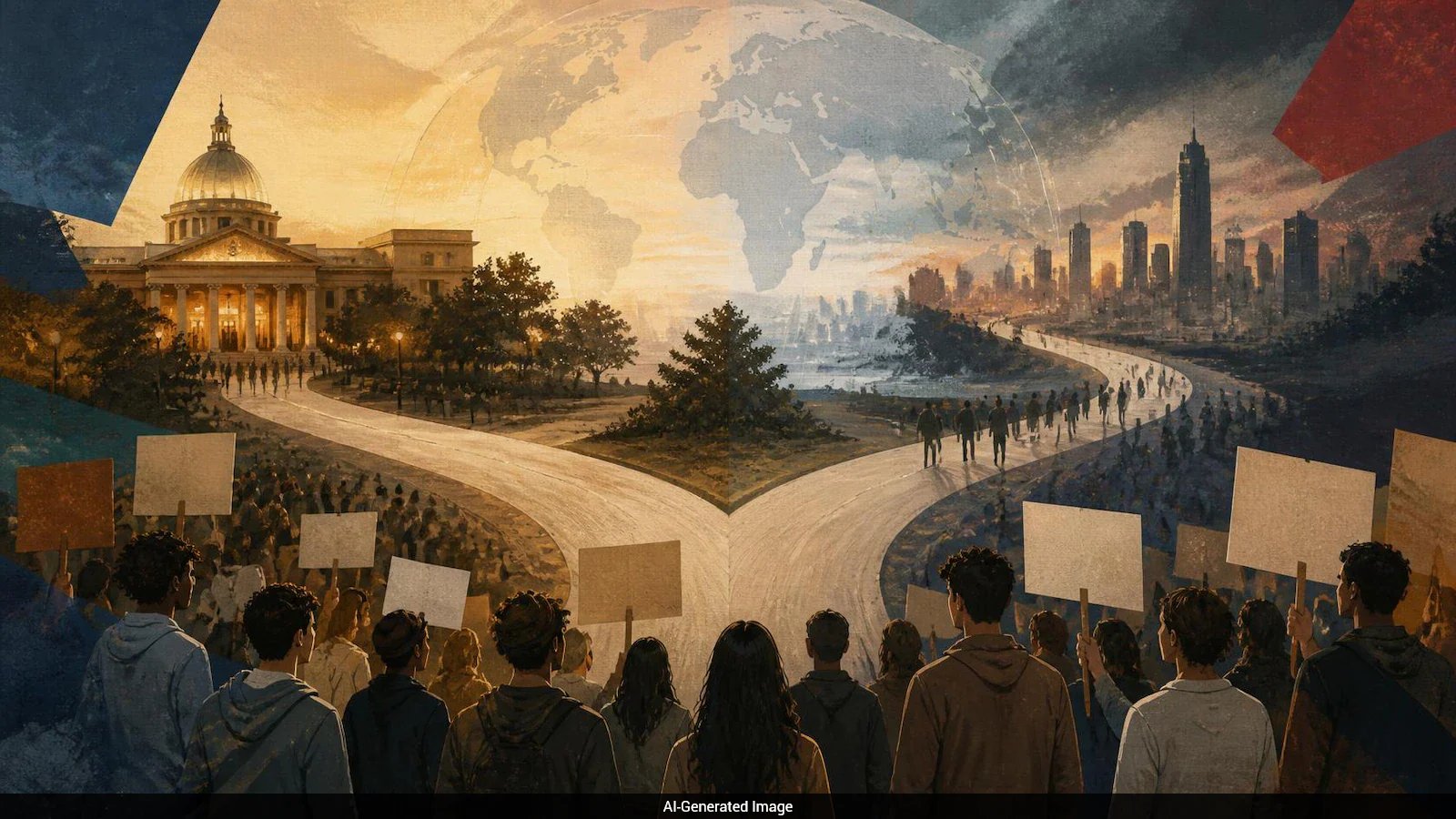
Peru's streets have been ablaze since early September, as Generation Z and student groups echoed a chorus of frustration that had been simmering for years. The protests erupted in response to chronic corruption, a controversial pension reform that shackled young self‑employed workers, and a succession of government upheavals that left the country in a state of political instability.
The protests grew in intensity after police used rubber bullets and tear gas during a sit‑in at the National Assembly, causing civilian injuries. In a decisive move, the Assembly voted to remove President Jose Jeri, a decision that marked the first recorded instance of a sitting Peruvian president being ousted through parliamentary means in the past decade.
Despite the toppled leadership, the underlying grievances remain unaddressed. Student leaders have called for a comprehensive anti‑corruption task force and transparent reforms to the electoral process. The National Assembly has scheduled a meeting for the coming week to appoint a provisional head of state and to outline a roadmap for restoring public trust.
This episode fits into a broader pattern of youth‑led protests worldwide, where only a small fraction—about 12 %—have explicitly sought regime change. Yet the Peru case shows that even a partial regime shift can trigger a cascade of institutional reforms if the electorate’s demands are heeded.
As the Assembly convenes, observers note that the success of the transition will hinge on the government’s willingness to confront deep‑seated corruption and to empower a new generation of political actors.
tags: ["Peru", "Protests", "Youth", "Governance", "Political Crisis"]