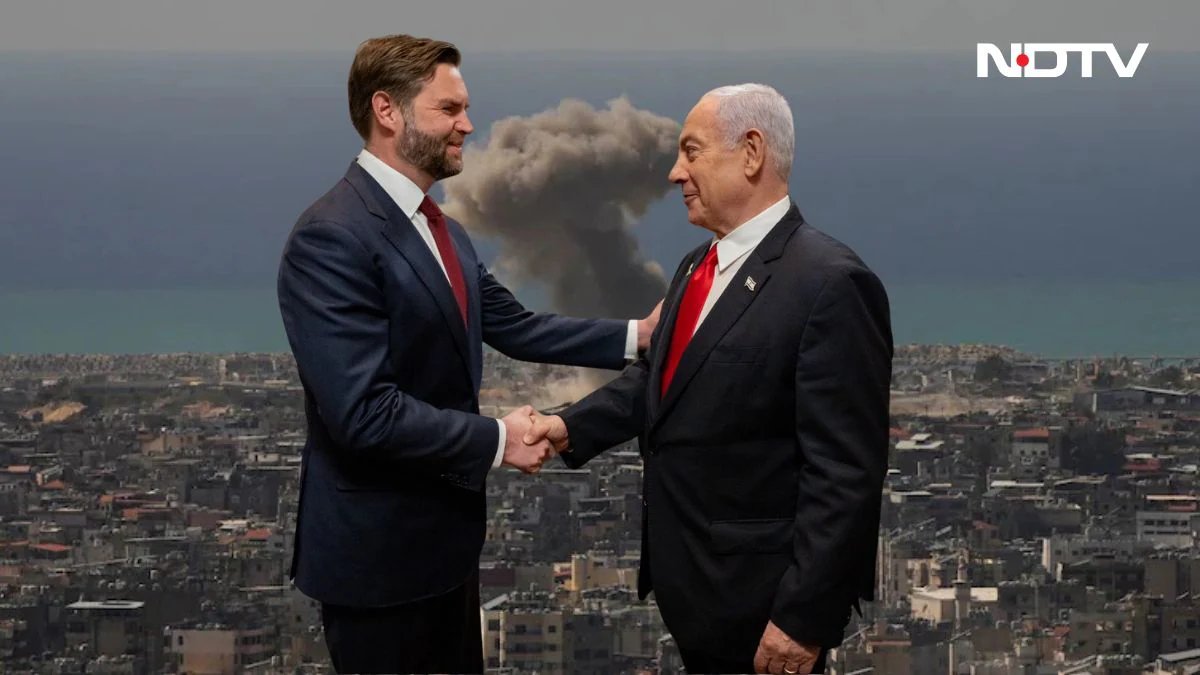
In a Mark Halperin interview on Monday, Vance said he would not endorse Netanyahu for the May 2026 election, even as President Donald Trump had publicly backed the Israeli leader the previous day. The comment came after a surge of calls from Republican Jewish donors urging a unified stance.
Vance has directed his campaign resources toward the U.S. midterms, stating that "I endorse American candidates – that's where my focus is." He also campaigned for Hungarian Prime Minister Viktor Orban last year before his party lost the parliamentary vote.
The decision has sparked skepticism in the Republican Jewish community, where donors worry that Vance's refusal undermines the U.S.-Israel partnership and raises questions about his commitment to Jewish Americans.
Vance has previously criticized Israeli officials for their stance on U.S. diplomacy, warning that Israeli leaders risk losing U.S. support, and reminding Netanyahu that two-thirds of Israel's defense weapons were built and paid for by American tax dollars.
Earlier this year, Vance had a tense phone conversation with Netanyahu, in which he challenged the Israeli prime minister's optimistic assessment of the Iran war, prompting Israeli officials to accuse Vance of undermining U.S. ceasefire talks. The U.S. envoys Steve Witkoff and Jared Kushner were also involved in the broader diplomatic context.
The refusal sets the stage for a diplomatic row as U.S. officials prepare a joint statement, and the debate over U.S.-Israel alignment will intensify ahead of the Israeli election.