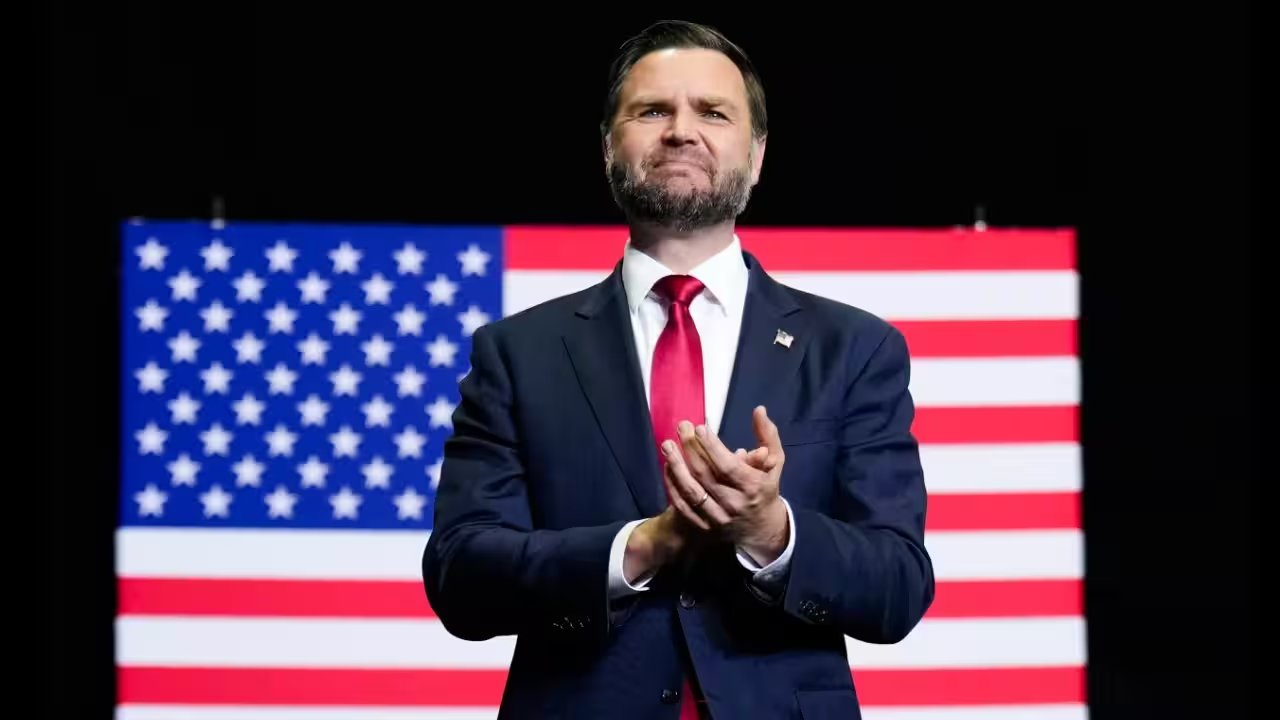
JD Vance told a CBS Town Hall audience on Saturday that his remarks about the H‑1B visa system were "imperfect," a concession that has sparked a firestorm among tech firms and immigrant advocacy groups.
He framed the problem as corporate exploitation: companies that harvest foreign talent to undercut wages or replace American workers, rather than immigrants themselves. Yet his language blurred that distinction, prompting Microsoft to issue a statement on Sunday that most of its H‑1B petitions were extensions or status changes for existing employees.
Microsoft’s CEO, Satya Nadella, was honored by President Trump at the White House earlier that week, a gesture that underscored the tech giant’s reliance on global talent. Nadella’s comments about the necessity of international expertise in AI and advanced manufacturing were cited by the company as evidence that Vance’s narrative is distorted.
The controversy has taken a personal turn for Vance, whose wife Usha is the daughter of Indian immigrants. Critics from both sides of the aisle point out that his push for a "heritage American" identity clashes with his own multicultural household. Senator Raja Krishnamoorthi of Illinois warned that framing the Indian community as a threat could echo historical persecution narratives.
Right‑wing extremists, including white nationalist Nick Fuentes, have targeted Usha’s heritage, while progressive lawmakers demand a review of the H‑1B program. Microsoft has called for a congressional hearing on H‑1B enforcement, and the House Committee on Immigration is slated to schedule a session next month.
The fallout will play out in the 2026 midterms, when economic and immigration issues dominate the campaign arena. Vance’s next move will likely involve a formal response to the House inquiry and a clarification of his policy stance before the election cycle heats up.