At a glance, the 92% localisation figure is the headline‑grabber that matters most to anyone weighing a BharatBenz purchase. It means that the bulk of components—engine blocks, axles, wiring harnesses—are sourced and built in India, cutting import duties and giving the company a pricing edge against imported rivals.
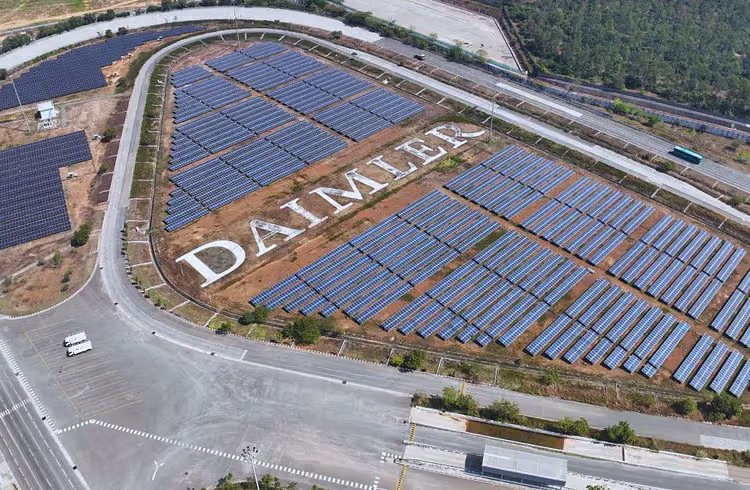
DICV’s Oragadam campus is the heart of this strategy. A 400‑acre, fully integrated plant that employs more than 4,000 people churns out over 230,000 BharatBenz trucks and buses since 2012. The plant also ships out 75,000 vehicles and 330 million parts to 70+ markets, proving it’s not just a local factory but a global logistics hub.
In 2026, the company announced a fresh ₹4,000 crore infusion under a non‑binding MoU with Tamil Nadu, pushing its total Indian spend past ₹14,500 crore. Those funds are earmarked for expanding manufacturing capacity, bolstering R&D infrastructure and testing future technologies, including electrification, even though the current launch slate remains diesel‑centric.
Safety tech is getting a boost too. DICV is rolling out Advanced Driver Assistance Systems calibrated for Indian roadways, ahead of the national safety regulations that will take effect next year. Meanwhile, the Torqshift Automated‑Manual Transmission—already proven in construction fleets—is expanding to a broader range of BharatBenz models, giving drivers smoother gear shifts and better fuel economy.
When it comes to after‑sales, the company’s TruckConnect platform gives operators real‑time fleet telemetry, while the Rakshana service assurance programme guarantees that 98% of vehicles are repaired within 48 hours. DICV plans to grow its service footprint from 430 to 600 touchpoints by 2030, prioritising northern, eastern and north‑eastern India where demand is surging.
What does all this mean for the buyer? The new ISEAA regional hub, anchored by DICV, translates to quicker decision making, tighter support, and potentially lower costs for fleet operators in India and the wider South‑East Asia region. The next few months will see the rollout of these enhancements, with the first wave of expanded services hitting major metros by early 2027.