Nagoya’s opening day was supposed to start on time, but South Korea’s men’s football squad arrived 30 minutes late after their bus was mistakenly routed to a baseball ground instead of the Mizuho Rugby Stadium. The mix‑up followed a previous incident where the team’s transport failed to reach their hotel, forcing a last‑minute replacement bus. Despite a 4‑1 victory over Qatar the night before, the delay set a tense tone for the rest of the tournament.
The delay was just a symptom of a larger crisis: more than 17,000 athletes and officials have crammed into a city that never planned for such numbers. The South Korean Olympic Committee called the shortage of accommodation “serious,” and the Philippines resorted to Airbnb listings to make ends meet. Indian shooters, including Olympic bronze medallist Manu Bhaker, were lodged 50 km from the range in a patchwork of hotels and temporary huts, a distance that has already cost them precious training time.
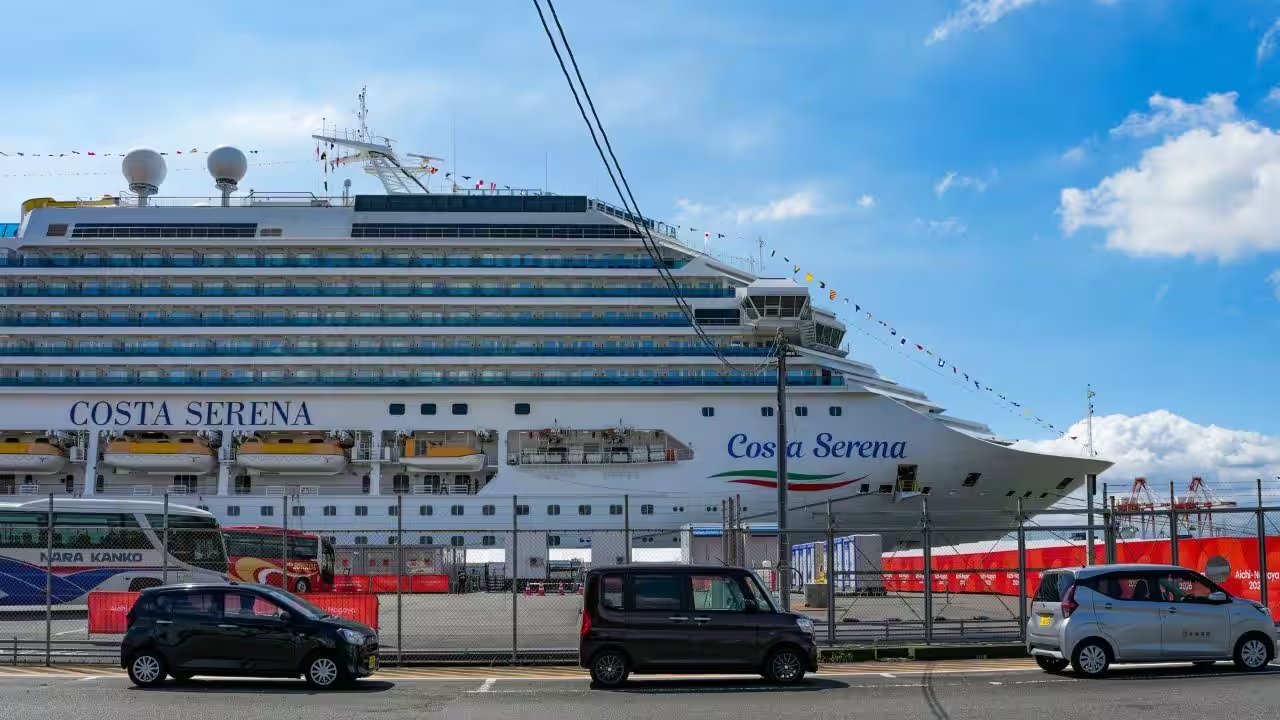
Organisers have been forced to abandon the idea of a dedicated athletes’ village to cut costs. Instead, the Games are relying on a mix of hotels, a 571‑cabin cruise ship called the Costa Serena, and temporary wooden cabins and shipping‑container huts. The cruise ship alone will house 4,000 to 5,000 athletes, but many others are being squeezed into hotels that were designed for much fewer people.
The logistical mess threatens to spill over into the competition itself. With transport hiccups already delaying a key football match and shared rooms causing discomfort, the opening ceremony on Saturday could be at risk of a last‑minute postponement. The organisers’ joint statement with the Olympic Council of Asia guarantees accommodation for every registered athlete, but the reality on the ground shows that meeting that promise will be a race against time.
As the Games march toward their first day, the focus will shift from the packed stadiums to the cramped corridors of hotels and the slow shuffle of buses. The next test for organisers will be the opening ceremony on Saturday, a moment that could either salvage their reputation or cement the narrative of a chaotic Asian Games.