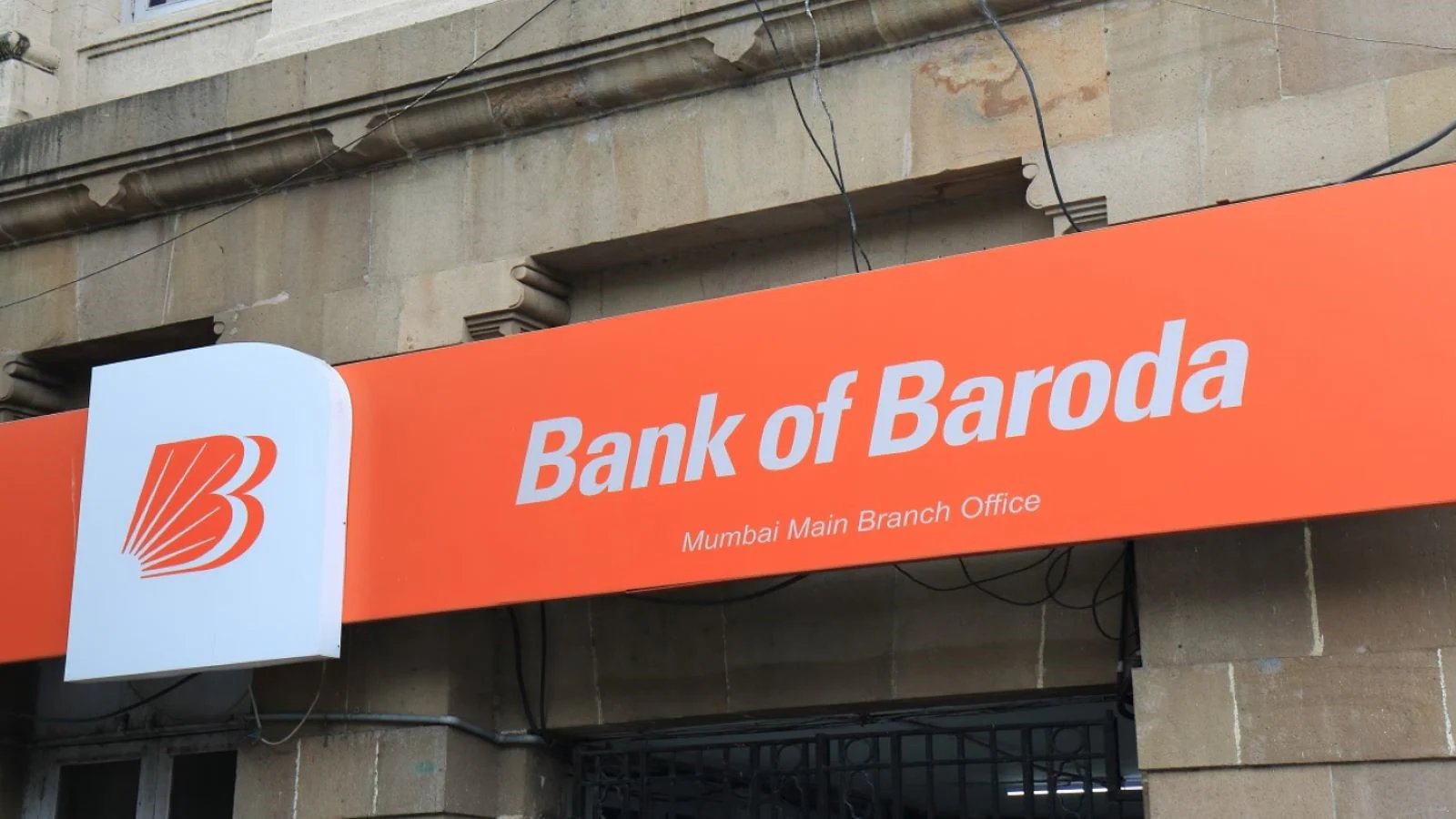
The numbers are in, and they point to a broad-based recovery for the PSU giant. Bank of Baroda’s global business book swelled to ₹32.64 lakh crore by the end of Q2, a 17.45% jump from the same period last year. It’s not just a headline figure; the underlying mechanics show strength across the board. Global advances climbed 18.27% to ₹15.12 lakh crore, while global deposits grew 16.75% to ₹17.51 lakh crore. The deposit side is particularly interesting because it suggests the bank is successfully chasing liquidity in a competitive landscape, rather than just pushing out loans at any cost.
Domestically, the trend holds up. Total deposits rose 17.01% to ₹14.88 lakh crore, outpacing the 13.5% growth in domestic advances, which reached ₹11.88 lakh crore. This spread indicates a healthy net deposit creation, a metric that matters to anyone watching the bank’s cost of funds. While the advance growth is solid, it’s slightly lagging the deposit surge, which could imply tighter credit standards or a cautious approach to NPA management. For long-term investors, this balance is less volatile than the aggressive lending seen in some private peers, but it also means the revenue ramp-up might be more gradual.
Beyond the balance sheet, the bank is making strategic moves that signal a broader footprint. On August 14, BoB closed a $700 million senior unsecured note issuance under its medium-term note programme. The deal was split into $400 million at a 5.114% coupon (three-year maturity) and $300 million at 5.318% (five-year maturity). These notes, issued through its IFSC Banking Unit, are listed on the Singapore Stock Exchange, India INX, and NSE-IX. This isn’t just about raising capital; it’s about diversifying the funding base and engaging with international investors directly. The semi-annual coupon payments add a layer of predictability to the debt structure, which is a positive for credit rating agencies monitoring the bank’s leverage.
Then there’s the PFRDA angle, which landed on October 1. The regulator formally appointed Bank of Baroda as a sponsor of a pension fund, making it the second public sector bank to enter this space. The certificate was handed over during the NPS Divas 2026 event. This is a significant entry into the asset management and pension management business, a sector with low competition among PSBs so far. It opens up new fee-based income streams and deepens the bank’s relationship with the NPS subscriber base. For a bank that has been under pressure to improve its ROA, this is a low-risk, high-stability revenue line.
On the tape, the reaction was measured. Bank of Baroda (NSE: BOB) closed at ₹232 on October 1, up 0.63%. The market hasn’t priced in a massive rerating yet, which could be seen as either an opportunity or a sign that the growth, while solid, isn’t exceptional enough to drive a spike. With the global business now crossing the ₹32 lakh crore mark and the pension fund sponsorship in place, the next catalyst will likely be the full-year earnings release or any updates on the NPA ratio. For now, the bank is executing on multiple fronts—funding, domestic growth, and new business verticals—without any major red flags in the Q2 update.